Where to see magic shows in NYC
The best magic shows in NYC, from intimate close-up performances at venues like Speakeasy Magick and 69 Atlantic to Broadway-style spectacles. You’ll learn about different types of magic performances available across Manhattan and Brooklyn, including speakeasy experiences, parlor shows, and theatrical productions. The article explains where magic venues are located in neighborhoods like Greenwich Village, Midtown Manhattan, and Brooklyn Heights. You’ll discover how to choose the right show for date nights, family outings, or tourist visits, plus practical info about ticket prices, reservations, dress codes, and timing.
What are the best magic shows in NYC right now?
The best magic shows NYC features world-class magicians performing in intimate parlor settings and theatrical spectacles. NYC magic shows span Manhattan and Brooklyn venues, offering exclusive speakeasy experiences, upscale chamber performances, and accessible Off-Broadway magic shows that cater to different tastes and budgets.
Speakeasy Magick
Speakeasy Magick transforms a hidden Greenwich Village location into a performance space. The venue recreates prohibition-era style. The speakeasy magic format mixes close-up illusions with craft cocktails.
Performers show card tricks and mentalism. The intimate space seats fewer than 40 guests. This makes each show feel personal and exclusive.
Chamber Magic with Steve Cohen
Steve Cohen performs Chamber Magic in an elegant private salon. The venue recreates the golden age of parlor entertainment. Cohen does refined tricks. He blends storytelling with technical skill.
His show runs multiple nights each week. Strict capacity limits keep the intimate feel. The performance feels like a private event.
69 Atlantic
69 Atlantic is a dedicated Brooklyn Heights magic theater. The dress code is smart casual. Multiple magicians share the stage each evening. They present varied styles.
You’ll see classic sleight-of-hand and modern mentalism. The theater is small. E seat offers an excellent view.
Urban Illusions
Urban Illusions brings contemporary stage magic to the theater district. The show uses large-scale illusions. It includes interactive audience segments. A rotating cast performs different techniques and styles.
Productions change each season. This keeps content fresh for repeat visitors. The venue location is convenient for tourists.
The Magician featuring Dan White
Dan White headlines The Magician in an Off-Broadway theater that seats approximately 200 people. White’s performance style emphasizes psychological illusions and mind-reading demonstrations than traditional prop-based tricks. The show runs multiple times weekly and incorporates comedy elements that make sophisticated mentalism accessible to casual audiences.
Monday Night Magic
Monday Night Magic has operated for decades at The Players Theatre in Greenwich Village. Each Monday features 5-7 world-class magicians presenting varied acts, making it ideal for date night magic outings. Ticket prices remain affordable.
Magic After Hours with Noah Levine
Noah Levine performs Magic After Hours in a Greenwich Village space seating 30 guests. Levine specializes in close-up card work and coin manipulation at eye level, attracting enthusiasts during late-night slots.
Cocktail Magique
Cocktail Magique merges tableside magic with fine dining at an upscale Manhattan restaurant. Performers circulate among tables during dinner service. The cocktail shows format allows guests to enjoy magic without attending a theater production.
Jamie Allan’s Amaze
Jamie Allan performs at a Flatiron district venue combining magic with digital projection technology. The show blends traditional sleight-of-hand with modern visual effects appealing to younger audiences.
Broadway Magic Hour
Broadway Magic Hour presents variety-style performances at an Off-Broadway theater near Times Square. Each show features 4-5 acts performing shortened versions of their full programs, introducing audiences to different magicians and styles.
What types of magic performances does NYC offer?
Magic performances Manhattan presents include four types of shows.
- Close-up intimate performances in small venues
- Broadway-style stage illusions with large-scale production
- Immersive speakeasy experiences with audience participation
- Elegant parlor shows in upscale hotel settings
Tableside magic appears in upscale restaurants and cocktail bars, while full theatrical productions occupy dedicated performance spaces. The variety reflects New York’s position as a global center for new entertainment formats.### Close-up and intimate magic shows
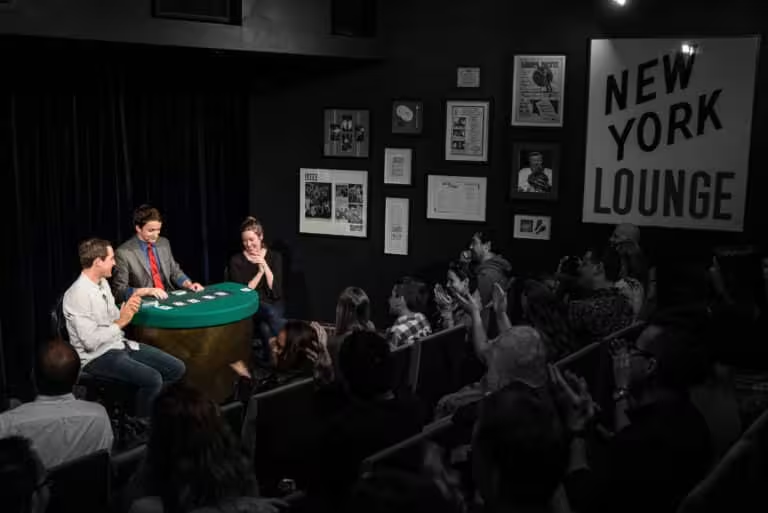
Close-up magic creates connections in small settings. E gesture matters here. Intimate magic shows seat fewer than 50 guests.
Spectators sit within arm’s reach of the magic. Cards change color inches from your eyes. Coins vanish from your palm.
The close proximity eliminates distance. Performers read your reactions. They ad their pacing to match the crowd’s energy.
Small rooms amplify gasps and laughter. Strangers become shared witnesses to wonder.
Broadway-style stage illusions
Stage illusions transform theaters into spectacle factories. Grand-scale tricks unfold under spotlights and smoke. Art of Play combines theatrical storytelling with large-scale magic. These tricks fill the stage from wing to wing.
Performers vanish inside locked boxes. They levitate over orchestra pits. They produce objects too large to hide.
Sound design and lighting enhance each reveal. Blackouts conceal the methods. This maximizes the surprise. Broadway-trained teams build these illusions.
They work from e seat in the house. These theaters seat hundreds of people. Stage magic prioritizes visual impact. It creates shared amazement across entire audiences.
Speakeasy and immersive experiences
Immersive magic transforms entire spaces into interactive mysteries. Audiences become participants, not passive observers. Hayden Childress designs these experiences. He blends environmental storytelling with close-quarters tricks.
Small groups explore themed rooms. Magic emerges from furniture, walls, and ordinary objects. Speakeasy settings hide performances behind unmarked doors. Secret entrances add theatrical mystery.
Performers break the fourth wall constantly. They hand props to guests. Tricks happen within touching distance.
These shows prioritize atmosphere and participation. Magic unfolds organically through exploration and conversation.
Parlor magic in upscale settings
Parlor magic brings refined entertainment to elegant private rooms. You’ll find it in luxury hotels where sophistication meets impossible feats. Upscale magic venues curate experiences for discerning guests. These spaces are intimate and beautifully appointed.
Performers wear formal attire. They use subtle showmanship. Grace matters more than flash here.
The magic balances technical precision with tasteful presentation. Performers avoid loud reveals. Instead, quiet impossibilities unfold gradually.
Crystal chandeliers and plush seating set the scene. Wonder feels natural, not forced. This appeals to audiences who value elegance with astonishment.
Where are NYC magic venues located?
Magic venues New York scatter across distinct neighborhoods, each offering different atmospheres and accessibility for those seeking where to see magic NYC. Downtown venues cluster in artistic communities while Midtown locations serve tourist corridors and business districts. Brooklyn hosts experimental spaces in converted theaters while Manhattan’s west side provides accessible options near transit hubs. Geographic distribution reflects both historical magic communities and modern entertainment districts, creating multiple entry points for experiencing live deception across the five boroughs.
Greenwich Village magic venues
Greenwich Village hosts performance spaces tucked into historic brownstones and basement theaters where intimate shows thrive. East Village venues occupy former speakeasies and underground clubs, maintaining the neighborhood’s countercultural spirit through unconventional presentations. Narrow staircases lead to small rooms where 30 guests watch magic unfold at conversational distance.
The area’s artistic legacy attracts experimental performers who blend magic with storytelling, physical theater, and interactive elements. Cobblestone streets and century-old buildings provide atmospheric approaches to venues that feel discovered than advertised.
Midtown Manhattan magic shows
Midtown Manhattan positions magic venues near Times Square, Rockefeller Center, and hotel districts frequented by visitors. Performance spaces occupy second-floor theaters and dedicated entertainment complexes designed for tourist traffic and business travelers seeking evening entertainment. Tannen’s Magic Shop anchors the area as a historic retail location that occasionally hosts demonstrations and small performances.
Midtown shows prioritize accessibility through extended performance schedules and proximity to subway stations. The density of restaurants and bars creates natural pre-show and post-show gathering spots, making magic part of broader evening plans.
Brooklyn Heights magic theater
Brooklyn Heights provides a magic theater NYC setting that combines residential charm with cultural sophistication across the East River from Manhattan. The neighborhood’s historic character and brownstone architecture create intimate venues that feel like private gatherings than commercial productions. Audiences travel deliberately to these locations, selecting experiences based on reputation than convenience. Waterfront views and tree-lined streets offer scenic approaches that separate the experience from city bustle, building anticipation before performances begin.
Chelsea and Flatiron magic spots
Chelsea venues integrate dinner and magic into restaurant spaces and nightlife establishments where entertainment complements food and drink service. Performers circulate between tables or command small stages in multi-use rooms that shift from dining to show mode. The Flatiron district provides compact theaters and event spaces near Madison Square Park, serving both neighborhood residents and visitors exploring the area’s architecture and shopping. These locations embed magic into existing social activities than requiring dedicated theater attendance.
Why is magic experiencing a resurgence in NYC?
Family-friendly magic and interactive magic formats drive renewed interest because audiences crave tangible experiences that smartphones can’t replicate. Live performances offer screen-free wonder where surprise happens without editing or special effects. The pandemic shutdowns created appetite for shared in-person amazement, reminding people that magic works differently when experienced collectively than consumed individually online. Modern performers blend traditional techniques with contemporary themes, making century-old art forms feel relevant to current audiences seeking authentic, unpredictable entertainment.
The return of live wonder
Live entertainment satisfies hunger for unscripted moments where outcomes remain genuinely uncertain till they unfold. The Parlour of Deceptions and similar venues create experiences that can’t be photographed, recorded, or replicated digitally, forcing full presence and attention. Audiences rediscover the pleasure of not knowing what happens next, trading control for surprise. Magic’s impossibility breaks daily patterns of explanation and logic, offering brief escapes from problem-solving into pure wonder without answers.
Why families and tourists are rediscovering magic
Families rediscover magic because performances offer multi-generational appeal without age-segregated content or lowest-common-denominator simplification. Tourist attractions now include magic shows on performance schedule listings alongside museums and landmarks, positioning live wonder as essential New York experiences than niche entertainment. Children experience impossibility without digital mediation while adults appreciate technical skill and theatrical craft.
Magic requires no cultural context or language fluency, making it accessible to diverse visitors who share immediate reactions regardless of background. The format’s brevity fits vacation schedules while delivering memorable moments that distinguish trips from routine tourism.## How do NYC magic shows compare?
Magic shows NYC vary dramatically in style, setting, and price point. Venues like Jim Vines’ productions offer distinct experiences that cater to different preferences. Close-up performances create intimacy while large-scale shows deliver spectacle.
Pricing reflects venue exclusivity, performer reputation, and production value. Casual spots welcome walk-ins whereas upscale locations require reservations weeks ahead. Family shows run early evenings while adult-oriented performances start after dinner hours.
Intimate close-up vs Broadway spectacle
| Feature | Intimate Close-Up | Broadway Spectacle |
|---|---|---|
| Venue Size | Under 100 guests | 200-500+ seats |
| Distance | Within arm’s reach | Stage viewing from rows |
| Production | Performer skill only | Lighting, music, assistants |
| Examples | Overlook Bar, 69 Atlantic | Broadway Comedy Club stages |
Close-up magic creates personal connections between performer and audience. Broadway Comedy Club hosts weekly showcases featuring multiple magicians performing tableside tricks. Overlook Bar combines cocktails with intimate card manipulation feet from spectators.
Upscale vs casual venues
Upscale venues enforce strict standards and premium experiences. VIP options include reserved seating, complimentary drinks, and meet-and-greet opportunities with performers. Venue capacity ranges from 40 guests at exclusive chambers to 200 at refined theaters.
Casual venues welcome spontaneous visitors with flexible seating and relaxed atmospheres. Dress codes at upscale locations require business casual or cocktail attire whereas casual spots accept jeans and t-shirts. Premium venues curate e detail from entrance procedures to intermission refreshments.
Adult-oriented vs family-friendly
Adult-oriented shows incorporate sophisticated humor and late-night scheduling. Rotating lineup formats present different performers weekly, keeping content fresh for regular attendees. These performances may include mentalism reading audience thoughts or psychological illusions unsuitable for children.
Content explores mature themes through magic metaphors and tricks. Family-friendly shows avoid complex concepts and controversial topics. Performers adapt pacing and presentation for shorter attention spans while maintaining wonder that appeals across generations.
Price comparison
| Tier | Price Range | Venue Type | Experience |
|---|---|---|---|
| Budget | $30-50 | Casual theaters | General admission, variety shows |
| Mid-Range | $75-125 | Off-Broadway venues | Reserved seating, professional production |
| Premium | $150-300 | Upscale chambers | Intimate setting, exclusive experience |
Audience participation increases value by creating memorable personal moments within performances. Package deals combining magic with dinner or cocktails typically add $50 to $100 to base ticket prices. Group rates reduce per-person costs for parties of six or more.
What’s the history of magic shows in NYC?
Magic history NYC stretches back over a century to vaudeville theaters and speakeasies. The city served as headquarters for magic innovation and performer development throughout the 1900s. Underground venues during Prohibition hosted secret magic performances alongside illegal drinking.
Broadway theaters incorporated magic acts into variety shows attracting massive audiences. Modern revival connects contemporary performers to this rich legacy while updating presentation styles for current tastes.
Historic magic venues
Early 20th century theaters throughout Manhattan featured regular magic acts as main attractions. Palace Theater on Broadway hosted legendary magicians during vaudeville’s golden era. Private clubs in Gramercy and Upper East Side neighborhoods offered exclusive magic performances for wealthy members.
Card tricks performed in intimate salon settings became signature entertainment at society gatherings. Many current venues occupy buildings that housed earlier magic shows, maintaining continuity with the past. Historic spaces in Greenwich Village preserve architectural details from eras when magic dominated nightlife entertainment.
Famous NYC magicians
Excellent magicians launched careers performing in New York clubs and theaters. Harry Houdini performed escape acts at theaters throughout Manhattan before achieving international fame. Dai Vernon revolutionized close-up magic techniques while residing in the city for decades.
Modern performers continue this tradition by developing new illusions and presentation styles in NYC venues. The city attracted talent from around the globe who competed and collaborated, driving magic artistry forward. Contemporary magicians reference techniques pioneered by NYC performers from previous generations.
How to choose the right NYC magic show?
To choose the right NYC magic show, match venue style and content to your specific occasion and preferences. The Players Theatre and similar venues offer different experiences suited to distinct audiences. Consider performance format, pricing, location convenience, and show duration when selecting.
Date nights benefit from intimate romantic settings whereas families need age-appropriate content. Tourists prioritize convenient locations and iconic experiences while enthusiasts seek technical excellence and new illusions.
For date nights
Romantic magic experiences combine wonder with sophisticated ambiance creating memorable evenings. Lotte New York Palace and upscale hotel venues provide elegant settings with refined service. Intimate theaters seating under 75 guests create cozy atmospheres where couples sit close together.
Choose shows incorporating audience participation that involves both partners in tricks. Late-evening performances starting around 8 or 9 pm extend evenings beyond typical dinner schedules. Venues serving craft cocktails enhance the experience by pairing drinks with astonishment.
For families with kids
Family performances emphasize visual spectacle and simple narratives children easily follow. Group bookings for birthday parties or family reunions often receive discounted rates and special treatment. Afternoon shows accommodate children’s schedules and energy levels better than evening performances.
Look for venues marketing content as appropriate for ages 5 and up. Shorter runtimes around 60 minutes maintain attention without exhausting young audience members. Interactive segments invite kids onstage to assist with tricks, creating excitement and engagement.
For tourists visiting NYC
Tourist-friendly venues cluster in Midtown Manhattan and Greenwich Village near major hotels. McKittrick Hotel and landmarks offer magic combined with iconic NYC atmosphere and architecture. Shows running multiple nights weekly provide scheduling flexibility for visitors with packed itineraries.
Look for performances labeled as suitable for all ages and language backgrounds. Venues near subway stations simplify logistics for tourists unfamiliar with the city. Consider booking shows for early in your trip, allowing you to get recommendations from performers about other NYC attractions.
For magic enthusiasts
Magic enthusiasts discover performances by Carl Mercurio and other specialists who push technical boundaries. These shows feature complex sleight-of-hand and original routines that challenge audience expectations. Performers often explain subtle techniques while maintaining mystery, appealing to those who study the craft.
Practical information for NYC magic shows
NYC magic shows operate on limited engagement schedules that change frequently. Before attending, know these points.
- Popular shows sell out weeks in advance
- Most venues require online reservations
- Arrive 30 minutes early for best seating
- Check dress codes before visiting
Venues announce dates months in advance, and popular performers sell out quickly. Booking platforms update availability daily, while some venues accept walk-ins during slower periods.
Ticket prices and where to buy
Ticket prices range from affordable weeknight shows to premium weekend performances. Online platforms offer advance booking, while box offices sell same-day seats when available. Group rates apply at select venues, reducing per-person costs.
Reservation requirements
Booking ahead secures preferred seating and guarantees entry to sold-out shows. Most venues accept online reservations through their websites or third-party platforms. Some intimate shows require advance booking because seating is limited, while larger theaters accommodate walk-ins during off-peak times.
Dress codes and age restrictions
Age restrictions vary by venue and performance style. Family shows welcome children, while late-night performances require adult audiences. Some upscale venues enforce smart casual attire, whereas casual spots accept everyday clothing. Check venue policies before arriving.
Best times to visit
Arrival time affects seating selection and parking availability. Weeknight performances offer easier booking and smaller crowds compared to weekend shows. Arriving 30 minutes early allows time to order drinks and secure optimal seats before the performance begins.
Frequently Asked Questions
NYC magic shows spark common questions about Todd Robbins and other performers. These answers address practical concerns that first-time visitors raise.
How much do NYC magic show tickets cost?
Magic show tickets cost between budget-friendly and premium pricing tiers. Weeknight performances charge less than weekend shows, while intimate venues price higher than larger theaters. Early booking often reduces costs through advance-purchase discounts.
Do I need reservations?
Reservations guarantee seating at popular shows that sell out quickly. Smaller venues with limited capacity require advance booking to ensure entry. Larger theaters accept walk-ins, but reservations secure better seats at preferred times.
Are NYC magic shows appropriate for children?
Family shows welcome children and feature age-appropriate content without adult themes. Photography policy varies by venue, with most prohibiting flash photography during performances. Some magicians allow photos after the show, while others maintain strict no-camera rules to protect their intellectual property.
What’s the difference between close-up and stage magic?
Close-up magic relies on sleight-of-hand techniques performed inches from spectators. Performers manipulate cards, coins, and small objects using manual dexterity. Stage magic creates large-scale illusions using props, assistants, and theatrical production. Close-up shows seat fewer people in intimate settings, while stage shows accommodate larger audiences in traditional theaters.
Can I take photos during the show?
Most venues prohibit photography during performances because flash disrupts the experience. Mentalism acts particularly restrict cameras to prevent exposure of methods. Some performers allow photos before or after shows, while others offer professional photos for purchase.