
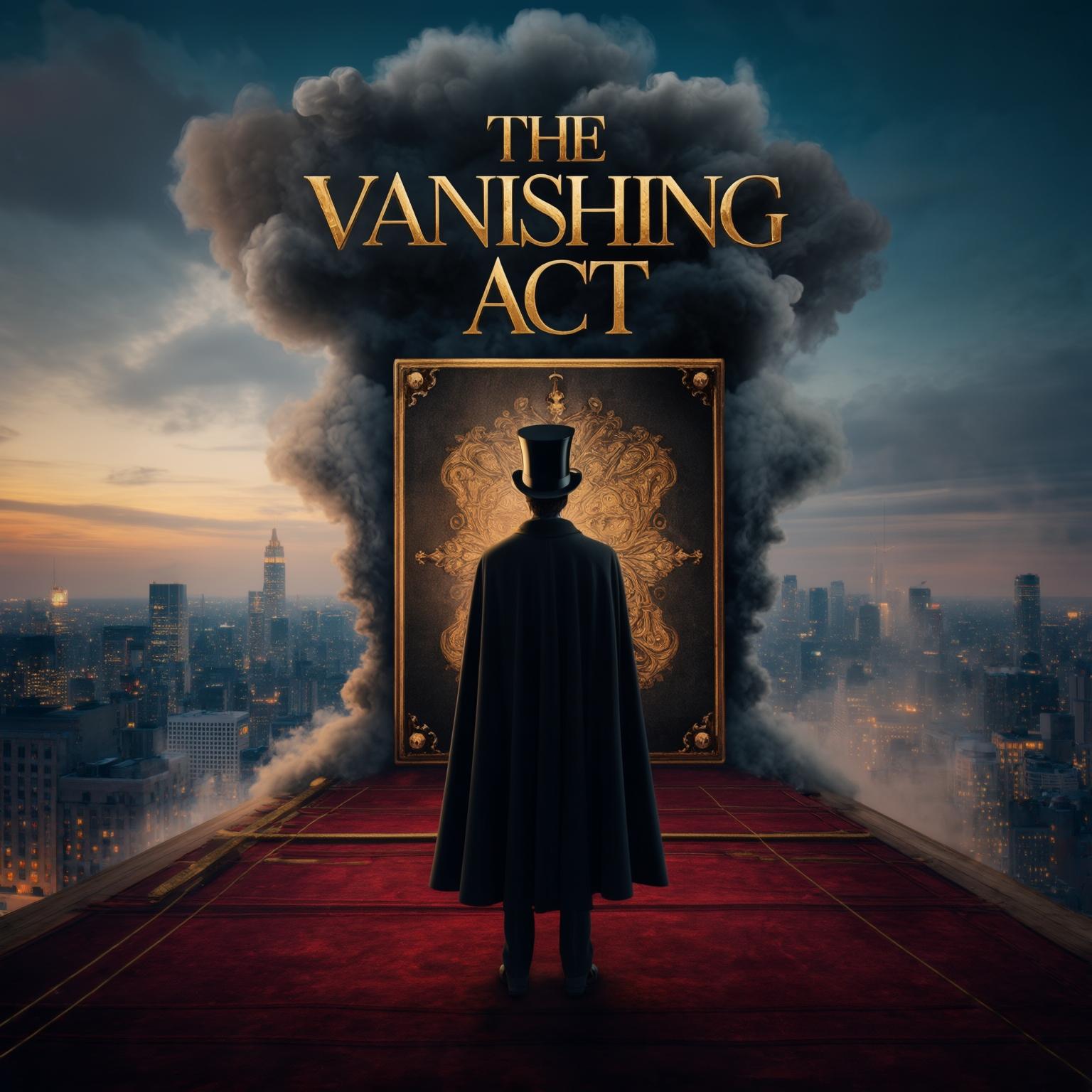
Greatest magic trick ever performed
The greatest magic trick combines 3 core elements: technical difficulty, visual impact, and cultural resonance. Harry Houdini’s Chinese Water Torture Cell became legendary because it combined 4 psychological triggers: claustrophobia, drowning fear, visible restraints, and real-time performance. David Copperfield’s Statue of Liberty disappearance is considered the best because the iconic illusion achieved unprecedented scale and cultural symbolism.
The metamorphosis illusion is a rapid escape and transposition trick where 2 performers switch places inside a locked trunk within seconds. The bullet catch trick is the deadliest illusion in magic history, claiming the lives of at least 12 magicians throughout documented performances. Television transformed famous magic trick performances by expanding audience reach from hundreds to millions and allowing camera angles impossible in live theater.
Determining the greatest magic trick requires analyzing legendary illusions by Harry Houdini, David Copperfield, and Penn & Teller. These iconic illusion performances transformed stage magic through danger, scale, and showmanship across venues from The Ed Sullivan Show to Radio City Music Hall.
What makes a magic trick the greatest of all time?
| Aspect | Comparison |
|---|---|
| The greatest magic trick combines 3 core elements: **technical difficulty, visual impact, and cultur | captivating mass audiences |
Illusion categories including escapes, vanishes, levitations, and transformations each offer unique greatness potential. Escape artistry requires strength and endurance that Houdini demonstrated through dangerous magic tricks including the bullet catch, Chinese Water Torture Cell, and buried alive escapes. Vanishing tricks demand engineering precision that David Copperfield proved by making the Statue of Liberty disappear in front of 50 live audience members in 1983.
Related: How Harry Houdini revolutionized escape artistry
How did Harry Houdini’s Chinese Water Torture Cell become legendary?
Harry Houdini’s Chinese Water Torture Cell became legendary because it combined 4 psychological triggers: claustrophobia, drowning fear, visible restraints, and real-time performance. Houdini performed the escape over 100 times before his death in 1926, establishing the famous magic trick as his signature. The illusion involved suspension upside-down in a locked water tank, with Houdini’s ankles secured in wooden stocks.
| Aspect | Comparison |
|---|---|
| Unlike modern illusionists such as David Blaine, Criss Angel, and Dynamo who rely on camera tricks, | the Water Torture Cell extended tension for several minutes |
Why is David Copperfield’s Statue of Liberty disappearance considered the best?
David Copperfield’s Statue of Liberty disappearance is considered the best because the illusion achieved unprecedented scale and cultural symbolism. The performance occurred outdoors on Liberty Island in 1983 with the 225-ton statue surrounded by a live audience and millions watching on television. Copperfield positioned spotlights and a raised platform with curtains around the monument, then made it vanish within seconds.
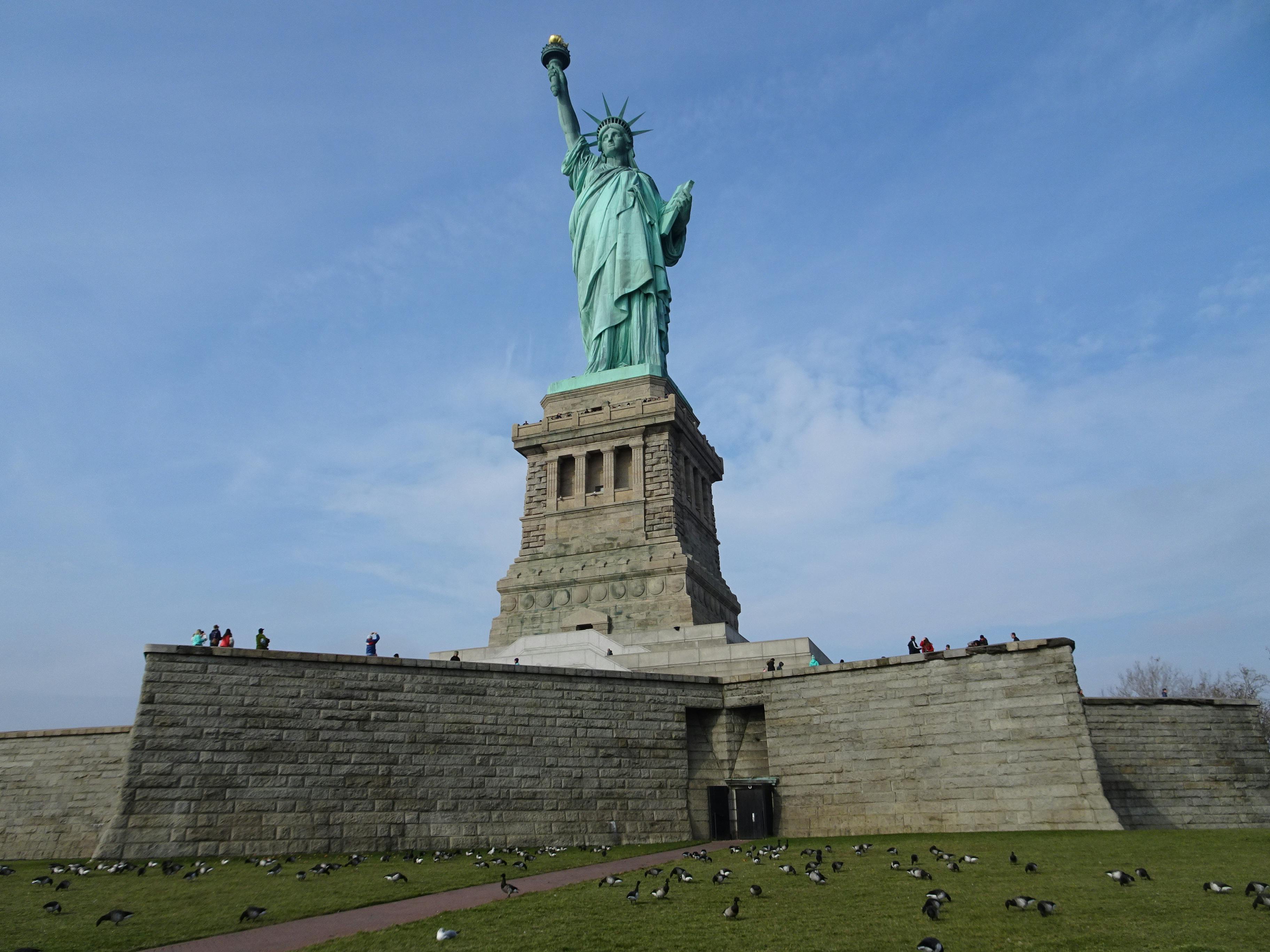
The illusion ranks as the best magic trick for 3 reasons: impossible scale, national symbol impact, and unmatched audience reach. David Copperfield’s television specials reached over 70 million viewers in the 1980s, with the Statue of Liberty trick becoming his most replayed segment. Previous stage illusions required controlled theater environments at famous venues like Madison Square Garden, Radio City Music Hall, and Las Vegas Strip theaters, but Copperfield brought magic to a public monument.
Related: Behind the scenes of David Copperfield’s most famous illusions
What is the metamorphosis illusion and who perfected it?
The metamorphosis illusion is a rapid escape and transposition trick where 2 performers switch places in a locked trunk, originated by Harry Houdini. Houdini originated the performance with his wife Bess in the early 1900s, establishing it as a staple of escape artistry. One performer locks inside a bag, placed in a trunk, then covered with a curtain while the second performer stands on top. After a countdown, the curtain drops to reveal the positions reversed impossibly fast.
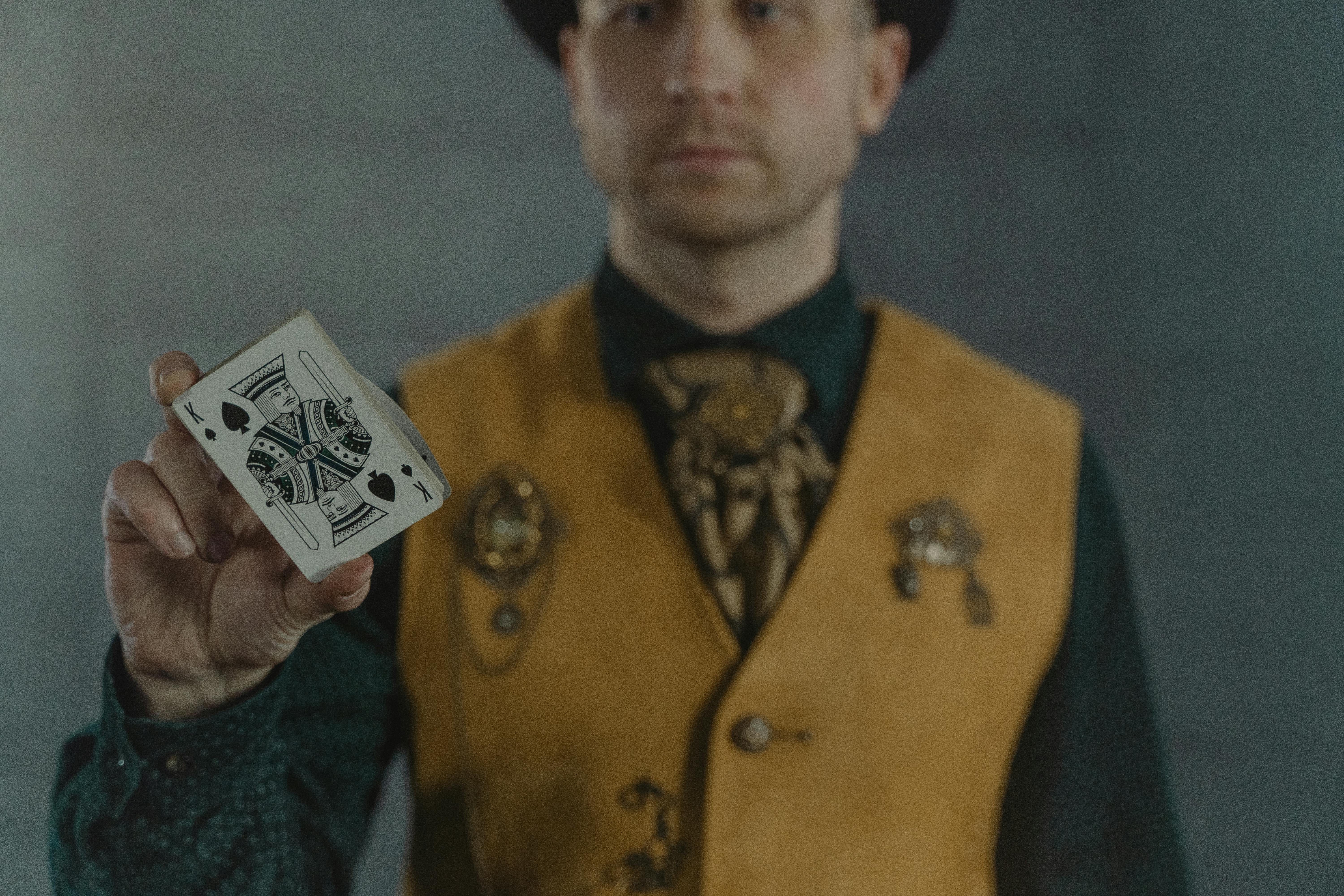
Harry Houdini’s original metamorphosis performance
Harry Houdini perfected metamorphosis by reducing transition time to under 3 seconds through practice and specialized equipment. His version used iconic props such as locked milk cans, straitjackets, handcuffs, and water tanks to add restraint layers. Houdini performed metamorphosis in magic performances at The Ed Sullivan Show, America’s Got Talent, and Saturday Night Live equivalents of his era, demonstrating speed that audiences couldn’t explain.
Penn & Teller’s modern metamorphosis variation
Penn & Teller refine metamorphosis into a comedic and transparent variation after performing together for over 45 years. Their version deliberately reveals some mechanisms while keeping the core transposition method secret, creating a famous magic trick that entertains through honesty than pure mystery. The duo performs on the Las Vegas Strip at the Rio Hotel, where they execute metamorphosis as part of a 2-hour show mixing illusions with skepticism.
How dangerous is the bullet catch trick?
The bullet catch trick is the deadliest illusion in magic history, claiming the lives of at least 12 magicians throughout documented performances. The trick involves a marked bullet loaded into a gun, fired at the magician, then caught in the performer’s teeth or hand. Escape artists including Harry Houdini, David Blaine, and Criss Angel have either performed or studied the bullet catch, with most choosing to avoid it due to mortality risk.

Penn & Teller perform a bullet catch variation where they fire simultaneously at each other and catch bullets in their mouths. Their version uses modern safety protocols but maintains theatrical tension through staging and pacing. The bullet catch ranks among dangerous tricks including the bullet catch, Chinese Water Torture Cell, and buried alive escapes because one mistake causes immediate death.
Related: The deadliest magic tricks ever attempted
Which modern illusionists have attempted the greatest tricks?
Modern illusionists such as David Blaine, Criss Angel, and Dynamo have attempted greatest magic trick contenders by combining classic illusions with endurance challenges and public settings. These performers moved magic from theaters to streets, buildings, and outdoor locations where traditional stage control becomes impossible. Their approaches differ from classic magicians like Harry Houdini, Doug Henning, and Siegfried & Roy who relied on controlled environments and elaborate staging.

David Blaine’s endurance-based stunts
David Blaine established endurance as a new category for legendary magic performance by holding his breath underwater for 17 minutes and 4 seconds during a 2008 television special. His stunts include burial alive for 7 days, encasement in ice for 63 hours, and standing on a 100-foot pillar for 35 hours. These performances blur the line between illusion and genuine physical feat, creating famous magic trick moments that audiences remember for extremity than deception.
Criss Angel’s street magic and TV magic innovations
Criss Angel pioneered televised street magic through his Mindfreak series, performing levitation and body suspension in public spaces without apparent stage equipment. His work brought illusion categories including escapes, vanishes, levitations, and transformations to casual observers than theater audiences. Angel’s Las Vegas residency at the Luxor Hotel combined classic stage production with his street performance style, creating shows that attract tourists seeking interactive experiences.
What role did television play in famous magic performances?
Television transformed famous magic trick performances by expanding audience reach from hundreds to millions and allowing camera angles impossible in live theater. David Copperfield’s television specials reached over 200 million viewers in the 1980s, making him more recognizable than any stage-bound magician before him. Magic performances at The Ed Sullivan Show, America’s Got Talent, and Saturday Night Live introduced illusions to casual viewers who would never attend live magic shows.

The television medium changed how magicians designed illusions, with many creating tricks specifically for camera capture than live audiences. Television specials featuring The Magic of David Copperfield, Breaking the Magician’s Code, and The World’s Greatest Magic became annual events that defined magic’s cultural presence. Copperfield’s flying illusion toured 90 countries as a live show, but the television version reached exponentially more viewers through multiple broadcasts.
How do audiences rank illusions today?
Audiences rank illusions based on 5 criteria: historical significance, visual spectacle, perceived danger, cultural impact, and performance frequency. The Statue of Liberty disappearance consistently ranks as the best magic trick in audience polls because it combined all 5 elements in a single 1983 performance. The sawing a woman in half illusion was first performed in 1921 and remains recognizable despite countless repetitions, demonstrating how the greatest magic tricks maintain ranking through historical weight.
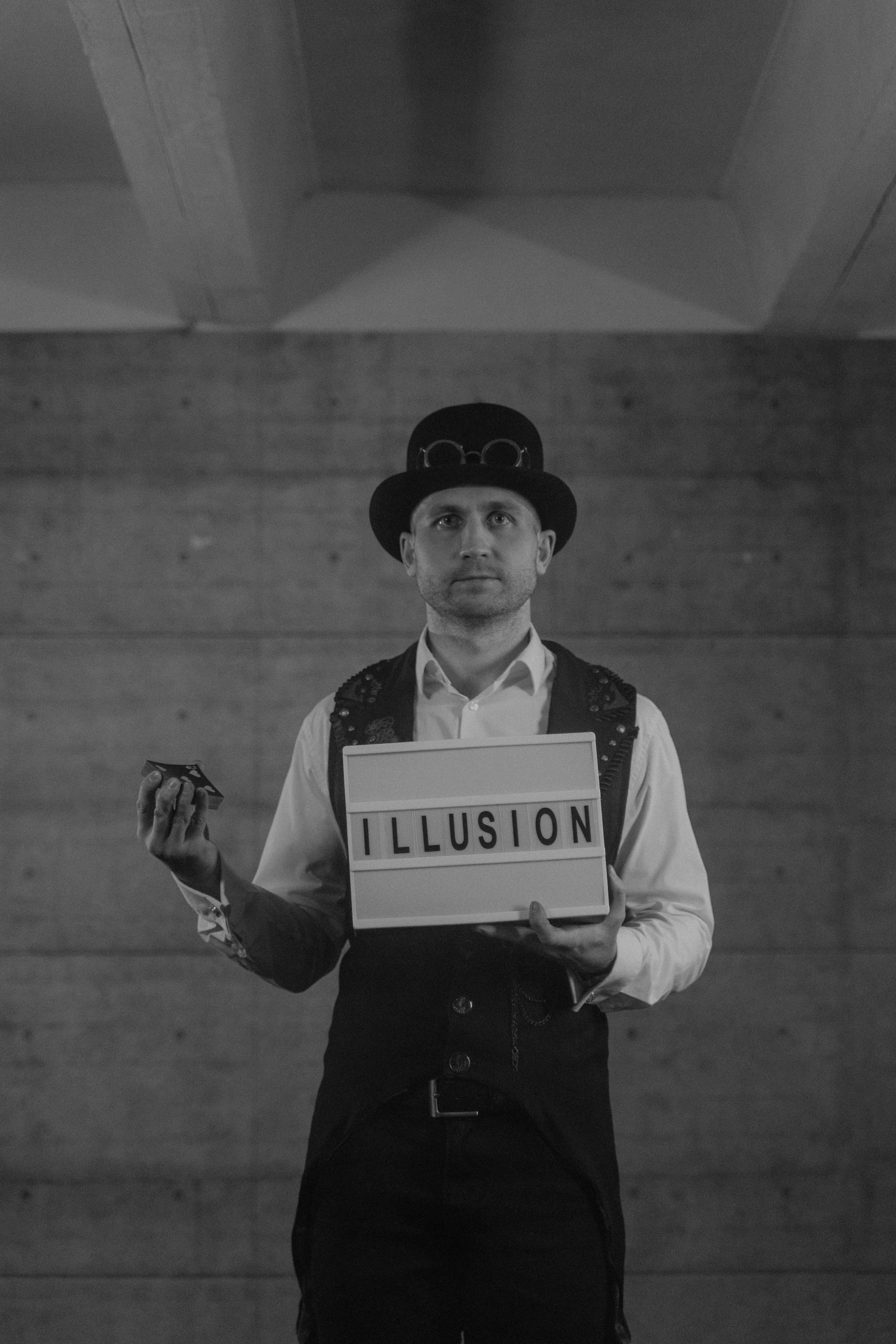
Social media and streaming platforms changed ranking dynamics by allowing instant comparison of performances across eras. Classic magicians like Harry Houdini, Doug Henning, and Siegfried & Roy compete for attention with modern illusionists such as David Blaine, Criss Angel, and Dynamo in algorithm-driven recommendation systems. Famous venues like Madison Square Garden, Radio City Music Hall, and Las Vegas Strip theaters remain evaluation benchmarks, as live performance quality still influences how audiences rank greatest magic trick candidates.
What makes a magic trick timeless versus trendy?
A magic trick becomes timeless when it transcends performance context and remains compelling regardless of technological advancement or cultural shifts. Harry Houdini’s Chinese Water Torture Cell remains legendary because the core challenge of underwater escape defies time period. The metamorphosis illusion survives across generations because speed and impossibility translate universally. Timeless tricks rely on fundamental human responses to danger, impossibility, and mystery than contemporary references or technology.
Trendy tricks depend on current technology, celebrity performer association, or cultural moment relevance that fades as context changes. The distinction appears in whether audiences remember the trick itself or only the performer who executed it. Stage illusions such as the Statue of Liberty disappearance, levitation, and sawing a woman in half achieve timeless status because any skilled magician can perform versions that maintain core impact, while trendy illusions lose power when separated from original performers.
Supplementary magic
– Most controversial magic trick reveals in television history
– How modern magicians use technology in classic illusions
– The psychology of why audiences fall for magic tricks