Category: magic

  • Robert-Houdin illusions that changed magic at the Palais Royal | Famous Robert-Houdin magic tricks from 1845 Paris | Robert-Houdin inventions and automaton illusions in Victorian magic | Ethereal Suspension and the Light and Heavy Chest explained | Jean Eugène Robert-Houdin’s Orange Tree automaton performance | Second Sight illusion by the father of modern magic | Robert-Houdin stage magic techniques from Victorian era France | How Robert-Houdin illusions influenced Harry Houdini’s career | French magician Robert-Houdin’s most famous stage illusions | Robert-Houdin’s revolutionary magic tricks at Paris theaters

    Robert-Houdin illusions that changed magic at the Palais Royal


    Aspect Comparison
    Jean Eugène Robert-Houdin transformed stage magic from carnival trickery into refined theatrical art later criticized him after researching his career history

    Jean Eugène Robert-Houdin transformed stage magic from carnival trickery into refined theatrical art. The French magician opened his theater at 8 Boulevard des Italiens in Paris during 1845, launching Soirées Fantastiques performances that redefined Victorian era entertainment. His famous illusions combined clockmaking precision with theatrical showmanship.

    What were Robert-Houdin’s most famous illusions at the Palais Royal?

    Robert-Houdin’s most famous illusions were Ethereal Suspension, Light and Heavy Chest, and Second Sight. Robert-Houdin created 12 major illusions that became his signature acts at Palais Royal theaters, witnessed across 250 performances annually. These Robert-Houdin magic tricks departed from traditional conjuring by presenting magic as elegant drawing-room entertainment rather than fairground spectacle.

    Aspect Comparison
    The automaton illusions including the Orange Tree, the Pastry Cook, and the Trapeze Artists showcase delivering impossible effects

    Ethereal Suspension demonstration in 1845 Paris

    Ethereal Suspension presented Robert-Houdin’s son suspended horizontally in mid-air, supported only by a single pole under one elbow. This 1845 illusion astonished spectators because the position defied gravitational logic. The secret involved a concealed iron framework within the boy’s costume connected to the support pole.

    Robert-Houdin performed this trick during his opening season at 8 Boulevard des Italiens, drawing approximately 3,000 spectators annually. The illusion required precise weight distribution and hidden mechanical support. Stage lighting innovations helped conceal the framework while highlighting the impossible levitation.

    The Light and Heavy Chest performance for Victorian audiences

    The Light and Heavy Chest demonstrated supernatural strength manipulation through theatrical presentation. Robert-Houdin invited audience volunteers to lift a small wooden chest easily, then challenged them to lift it again after he “removed their strength.” The volunteer could not budge the chest despite desperate efforts.

    The secret involved an electromagnet concealed beneath the stage floor, activated when Robert-Houdin wanted the chest immovable. This Robert-Houdin invention predated widespread electrical understanding, making the effect seem genuinely supernatural. The chest illusion became famous during the 1856 Algeria mission when Robert-Houdin performed for Abd-el-Kader to demonstrate French “magical power” and discourage rebellion.

    How did the Orange Tree automaton illusion work?

    The Orange Tree automaton featured a miniature tree that bloomed real flowers, produced fresh oranges, and culminated with mechanical butterflies emerging from the final orange. Robert-Houdin constructed this automaton illusion using clockwork mechanisms hidden within the trunk and base. The tree responded to borrowed handkerchiefs placed at its base, incorporating audience participation into mechanical theater.

    The illusion required intricate gear assemblies working in synchronized sequence. Springs controlled the blooming petals while pneumatic tubes delivered pre-loaded oranges from the base compartment. The final butterfly effect used spring-loaded wings that unfolded when the orange skin separated. This Orange Tree automaton remained Robert-Houdin’s most famous creation, performed throughout his 40 years career span.

    What made Robert-Houdin’s Second Sight act revolutionary?

    Robert-Houdin’s Second Sight act was revolutionary because it allowed his blindfolded son to identify objects held by audience members with perfect accuracy. The act appeared to demonstrate genuine telepathy because no visible signals passed between father and son. This mentalism performance revolutionized stage magic by presenting psychological illusion as scientific demonstration.

    The secret involved verbal coding embedded within Robert-Houdin’s casual patter. Each phrase contained specific words that communicated object details through pre-arranged meanings. The coding system required extensive memorization but allowed completely natural-sounding conversation. Influenced magicians including Harry Houdini, Howard Thurston, and Alexander Herrmann later adapted this technique for their own mentalism acts.

    Second Sight performances drew scrutiny from the French Academy of Sciences, which investigated whether genuine supernatural abilities were demonstrated. Robert-Houdin never revealed his methods publicly, maintaining the scientific mystery while privately acknowledging the verbal code system.

    Why is Jean Eugène Robert-Houdin called the father of modern magic?

    Jean Eugène Robert-Houdin is called the father of modern magic because he transformed conjuring from street performance into sophisticated theatrical art. Born in 1805, Robert-Houdin abandoned his clockmaking career to open Théâtre Robert-Houdin in Paris during 1845. His approach replaced mystical robes and supernatural claims with evening dress and scientific presentation.

    Robert-Houdin stage magic emphasized natural presentation, mechanical ingenuity, and theatrical storytelling rather than exotic mysticism. This shift professionalized magic performance and established conventions that modern illusionists still follow. Robert-Houdin performed extensively before retiring in 1858, having completely redefined Victorian magic traditions.

    The French magician’s influence extended beyond stage innovations to mechanical inventions including alarm clocks, electric timepieces, and mystery clocks. His dual expertise in precision engineering and theatrical performance created illusions that seemed scientifically plausible while remaining impossible. This combination established magic as respectable entertainment for educated audiences.

    How did Robert-Houdin inventions transform stage magic in Victorian era France?

    Robert-Houdin inventions transformed stage magic by introducing electrical devices, precision mechanics, and automated systems into performances for the first time. His understanding of clockwork engineering allowed Robert-Houdin to create automaton illusions that moved with lifelike fluidity. Robert-Houdin integrated electric lighting into theatrical performances including Soirées Fantastiques, private salon shows, and royal command performances before widespread electrical infrastructure existed.

    Stage innovations including electric lighting, tailored evening wear, and intimate theater settings replaced the traditional conjurer’s exotic costume and large platform stage. Robert-Houdin performed in a formal black suit, presenting magic as scientific demonstration rather than supernatural communion. This approach appealed to Victorian era venues including Palais Royal, Théâtre Robert-Houdin, and Boulevard des Italiens where educated audiences sought sophisticated entertainment.

    The mechanical precision of Robert-Houdin’s automata inspired other inventors and performers to explore engineering-based illusions. His mystery clocks, which appeared to run without internal mechanisms, demonstrated how scientific knowledge could create seemingly impossible effects. These innovations established stage magic as a legitimate theatrical art form in France.

    What automaton illusions did Robert-Houdin create beyond the Orange Tree?

    Robert-Houdin created the Pastry Cook automaton that produced real pastries seemingly from thin air, the Trapeze Artists featuring mechanical acrobats performing coordinated routines, and the Writer automaton producing personalized messages. Each automaton required extensive hand-crafted construction using brass gears, springs, and pneumatic systems. Robert-Houdin’s clockmaking background enabled him to create mechanisms with unprecedented smoothness and reliability.

    These automatons combined theatrical presentation with genuine engineering achievement, blurring the line between magic trick and mechanical marvel. The Pastry Cook specifically demonstrated Robert-Houdin’s theatrical innovation by producing fresh-baked goods during performances. Hidden assistants prepared items backstage while the automaton’s movements provided misdirection. This combination of legitimate mechanical action and concealed human assistance became a template for later stage illusions.

    How did Robert-Houdin illusions influence Harry Houdini and modern magicians?

    Robert-Houdin illusions influenced Harry Houdini by establishing presentation standards that Houdini adopted when building his career decades later. Houdini took his stage name directly from the French magician, adding an “i” to Robert-Houdin’s name. This demonstrated the profound influence of Robert-Houdin’s theatrical approach on early 20th-century magic.

    Harry Houdini initially revered Robert-Houdin but later criticized him after researching his career history. Despite this complicated relationship, Houdini’s escape artistry followed Robert-Houdin’s principle of presenting impossible feats through scientific framing. The emphasis on mechanical skill rather than supernatural claims originated with Robert-Houdin’s Victorian era performances.

    Modern illusionists continue using Robert-Houdin’s theatrical innovations including natural presentation, audience interaction, and mechanical precision. His approach to staging magic as elegant entertainment rather than carnival sideshow fundamentally shaped contemporary performance standards. Influenced magicians across multiple generations have built careers on principles Robert-Houdin established during his 1845 Paris debut.

    What theatrical innovations did the French magician introduce at Paris theaters?

    The French magician introduced intimate theater settings designed specifically for magic performance at 8 Boulevard des Italiens. His venue seated 200 patrons, creating close viewing conditions that enhanced illusion impact. This contrasted with 19th-century Paris theaters including Palais Royal, Théâtre des Variétés, and Comédie-Française, which featured large auditoriums unsuited for subtle manipulation.

    Electric lighting represented Robert-Houdin’s most significant technical innovation, allowing precise illumination control during performances. Robert-Houdin used directed light to focus audience attention and conceal mechanical apparatus. Gas lighting previously limited Victorian magic because flames could not be quickly adjusted or extinguished.

    The French magician replaced mystical costumes with formal evening wear, performing in the same attire as his audience members. This costume choice reinforced magic as sophisticated entertainment rather than exotic spectacle. French magic traditions including card manipulation, mentalism acts, and mechanical illusions became standard theatrical presentations rather than street performances through Robert-Houdin’s influence.

    How did Robert-Houdin’s magic tricks differ from earlier conjurers?

    Robert-Houdin’s magic tricks differed from earlier conjurers because they emphasized scientific explanation and natural presentation rather than supernatural claims or exotic mysticism. Earlier conjurers performed in flowing robes while claiming genuine magical powers. Robert-Houdin presented himself as a skilled mechanic and entertainer demonstrating clever illusions.

    His illusions used contemporary technology including electromagnets, clockwork, and electric lighting that audiences recognized as modern inventions. This created effects that seemed scientifically impossible rather than supernaturally impossible. The distinction mattered greatly to educated Victorian audiences who rejected obvious mystical fraud but appreciated ingenious mechanical deception.

    Earlier conjurers relied primarily on manual dexterity and misdirection, while Robert-Houdin integrated mechanical devices that performed actual movements. His automaton illusions genuinely moved and operated through clockwork engineering, even though hidden elements created the impossible effects. This combination of real mechanism and clever concealment elevated stage magic into legitimate theatrical art.

    What was the cultural impact of Robert-Houdin stage magic in 1845?

    Robert-Houdin stage magic’s cultural impact in 1845 was elevating conjuring into respectable entertainment for educated audiences during Paris society. His Soirées Fantastiques attracted aristocratic patrons, scientific observers, and cultural leaders who previously dismissed magic as lowbrow carnival entertainment. This social legitimacy transformed magic performance into a recognized theatrical profession.

    Napoleon III commanded Robert-Houdin to perform at court, demonstrating the cultural acceptance his approach achieved. The French Academy of Sciences investigated his Second Sight illusion, treating stage magic as worthy of scientific inquiry. This intellectual engagement validated Robert-Houdin’s approach to presenting illusions as demonstrations of skill rather than supernatural power.

    The 1856 Algeria mission represented Robert-Houdin’s most significant cultural impact. French colonial authorities commissioned Robert-Houdin to perform for Arab tribal leaders including Abd-el-Kader to demonstrate French technological superiority. His Light and Heavy Chest illusion convinced audience members that French “magic” exceeded their own tribal conjurers, serving diplomatic purposes through theatrical performance.

    Where can you see Robert-Houdin’s original automaton illusions today?

    Robert-Houdin’s original automaton illusions are preserved at the Maison de la Magie in Blois, France, his retirement home city. The museum houses several working automatons including restored versions of the Orange Tree, Writer, and Trapeze Artists. Visitors can witness these 19th-century mechanical marvels performing their original routines.

    Additional Robert-Houdin artifacts appear in magic museums across 2 countries, including correspondence, mechanical designs, and performance props. The Musée des Arts et Métiers in Paris displays some of his clockwork inventions and mystery clocks. These collections document Robert-Houdin’s dual career as both clockmaker and stage magician.

    Modern magicians occasionally recreate Robert-Houdin illusions using historical research and period-appropriate techniques. These performances demonstrate how revolutionary his effects appeared to Victorian audiences unfamiliar with electromagnets and precision clockwork. Robert-Houdin died in 1871, but his theatrical innovations continue influencing contemporary stage magic worldwide.

  • The Prestige true story: Were Victorian magicians really rivals | Victorian magicians Robert-Houdin and Anderson rivalry explained | The Prestige true story behind Christopher Nolan’s magic rivalry film | Were Victorian stage magicians Robert-Houdin and Maskelyne real rivals | The Prestige true story: Real magician rivals in Victorian London | Victorian era magic history: The Prestige true story vs reality | Robert-Houdin and Anderson rivalry: The real Prestige true story | Christopher Nolan’s The Prestige: Victorian magicians real rivalry history | The Prestige true story: Were Maskelyne and Devant actual stage rivals | Victorian magic rivalry: The Prestige true story and Robert-Houdin legacy

    The Prestige true story: Were Victorian magicians really rivals

    Aspect Comparison
    The true story behind The Prestige film is Victorian magicians competed fiercely in famous venues rarely resorted to the extreme sabotage depicted in the movie

    Christopher Nolan’s 2006 film The Prestige captivated audiences with its tale of dueling magicians in Victorian London, starring Christian Bale and Hugh Jackman as obsessed rivals. The film, based on Christopher Priest’s novel, portrayed a dark world where Victorian magicians sabotaged each other’s performances and stole secrets. Victorian era magic history reveals that real-life stage magicians Robert-Houdin, John Henry Anderson, and John Nevil Maskelyne engaged in fierce competition during the 1800s.

    What is the true story behind The Prestige film?

    Aspect Comparison
    The true story behind The Prestige film is **Victorian magicians competed fiercely in famous venues rarely resorted to the extreme sabotage depicted in the movie**

    Real magic rivalry tactics included secret stealing, audience poaching, newspaper attacks, and performance sabotage. Victorian magicians guarded their techniques including sleight of hand, misdirection, mechanical apparatus, optical illusions, and electrical effects. The competitive atmosphere in Victorian era cities including London, Paris, Edinburgh, Manchester, and New York drove magicians to extreme measures, though physical violence remained rare.

    How did Victorian magicians Robert-Houdin and Anderson become rivals?

    Robert-Houdin and Anderson became rivals because Anderson claimed Robert-Houdin stole his automaton chess player illusion. Jean Eugène Robert-Houdin, born in 1805, opened his theater in Paris Palais Royal in 1845 and revolutionized stage magic. John Henry Anderson, born in 1814 and known as “The Great Wizard of the North,” performed for 50+ years across Europe and America.

    The two magicians exchanged rival accusations including plagiarism claims, exposure threats, lawsuit filings, and public challenges in magic publications including conjuring books, trade secrets, illustrated manuals, and magic journals. Robert-Houdin died in 1871, but his influence shaped Victorian London magicians who followed.

    What role did John Henry Anderson play in Victorian magic history?

    John Henry Anderson’s role in Victorian magic history was pioneering large-scale stage illusions and aggressive marketing tactics that characterized Victorian music halls. Anderson performed across theater districts including Piccadilly, Covent Garden, Leicester Square, Strand, and West End. His 50+ year career established the competitive model for stage magicians.

    Anderson’s performances utilized stage props including trap doors, mirrors, hidden assistants, electromagnets, and smoke machines. Anderson competed directly with Robert-Houdin for audiences and reputation throughout the 1840s and 1850s. Anderson’s theatrical approach influenced how Victorian magicians promoted themselves in an increasingly crowded entertainment market.

    Were Maskelyne and Devant real-life stage magician competitors?

    Maskelyne and Devant were partners rather than competitors. John Nevil Maskelyne opened at Egyptian Hall in 1873 and performed there for 31 years until 1904. David Devant, a British illusionist, later partnered with Maskelyne. Famous Victorian magicians including Robert-Houdin, John Henry Anderson, Maskelyne, David Devant, and Harry Kellar often collaborated as much as they competed.

    Maskelyne died in 1917 after revolutionizing mechanical magic apparatus. Egyptian Hall became legendary for presenting consistent magic shows throughout its 31-year run under Maskelyne’s management. Maskelyne and Devant represented a later Victorian era partnership model rather than the intense rivalries of earlier decades.

    Related: The Egyptian Hall: London’s legendary magic venue history

    How accurate is Christopher Nolan’s portrayal of Victorian era magic rivalry?

    Christopher Nolan’s portrayal of Victorian era magic rivalry is exaggerated dramatically but captures the authentic competitive atmosphere. Victorian magicians engaged in fierce competition, but documented cases of physical sabotage remain rare. The 2006 film amplifies real Victorian magic competition into obsessive destruction. Victorian magicians performed 3,000+ performances during typical careers.

    Nolan researched actual stage illusions and Victorian era magic techniques to ground the fictional rivalry. The portrayal of secret-keeping and professional jealousy reflects genuine concerns among 19th century magicians. The film’s extreme violence and technological elements involving Nikola Tesla represent dramatic license rather than historical accuracy.

    What was Robert-Houdin’s influence on 19th century stage magic?

    Robert-Houdin’s influence on 19th century stage magic was transforming magic from street entertainment to sophisticated theater performance. Robert-Houdin’s 1845 Paris theater introduced refined presentations that emphasized elegance over spectacle. Robert-Houdin’s legacy extended beyond his 1871 death, influencing Harry Houdini, who adopted his stage name as tribute.

    Robert-Houdin’s revolutionary magic techniques in 1840s Paris

    Robert-Houdin pioneered the use of electromagnets and hidden mechanisms that appeared impossible to Victorian audiences between 1845 and 1855. His automaton chess player and “Ethereal Suspension” illusion demonstrated how mechanical apparatus could create theatrical wonder.

    Robert-Houdin’s Paris Palais Royal theater opened in 1845 with a 200-seat capacity and performed his famous “Soirées Fantastiques” shows. Robert-Houdin published detailed accounts of his techniques while carefully protecting his most valuable secrets. His approach balanced revelation with mystification in ways that frustrated rivals like Anderson.

    How Robert-Houdin influenced Victorian London magicians

    Victorian London magicians studied Robert-Houdin’s presentations and adapted his techniques for British audiences. Maskelyne and other British stage magicians borrowed Robert-Houdin’s elegant style while developing their own mechanical inventions. The French magician’s emphasis on scientific principles over supernatural claims shaped how Victorian era magic evolved.

    Theater managers in London sought magicians who could replicate Robert-Houdin’s sophisticated approach. This demand elevated the profession and encouraged innovation among British performers. Robert-Houdin’s influence persisted through the end of the Victorian era in 1901 and beyond.

    Related: Robert-Houdin’s most famous stage tricks and their secrets

    Did Nikola Tesla really work with magicians in the Victorian era?

    Nikola Tesla’s work with magicians in the Victorian era is limited to public electrical demonstrations that magicians later incorporated, not direct collaboration. Tesla demonstrated electrical effects in public venues during the 1890s but did not build illusions specifically for stage magicians. The Prestige film fictionalizes Tesla’s involvement with magic rivalry for dramatic purposes.

    Victorian magicians observed Tesla’s electrical experiments and adapted electromagnetic principles for their own illusions. Tesla’s work in New York during the 1890s coincided with late Victorian era magic, creating opportunities for technological crossover. No documented evidence supports direct collaboration between Tesla and famous Victorian magicians.

    What were the most famous magic rivalries in Victorian London theaters?

    The most famous magic rivalries in Victorian London theaters were Anderson versus Robert-Houdin across European stages and Maskelyne competing for Egyptian Hall prominence. Anderson’s rivalry with Robert-Houdin dominated the 1840s and 1850s. When Maskelyne opened at Egyptian Hall in 1873, he competed primarily with Dr. Lynn, who performed in the larger ground floor room while Maskelyne used the smaller upstairs auditorium. Victorian magic venues created fierce competition for limited theater bookings and wealthy patrons.

    Smaller rivalries erupted between magicians performing in the same theater districts including Piccadilly, Covent Garden, Leicester Square, Strand, and West End. Newspaper critics amplified conflicts by comparing performances and declaring winners. The competitive atmosphere drove innovation but also created professional animosity that lasted decades.

    How did Victorian stage magicians sabotage each other’s performances?

    To sabotage each other’s performances, Victorian stage magicians used newspaper attacks and audience manipulation rather than physical interference. Magicians hired plants to heckle rivals or spread rumors about how tricks worked. Some performers threatened to publish exposure books revealing competitor secrets.

    Direct sabotage of stage props or performances occurred rarely but dramatically. Anderson accused rivals of stealing his assistants and copying his advertising materials. Victorian magicians protected their mechanical apparatus and avoided direct confrontation that could damage their own reputations. Professional sabotage focused on reputation destruction rather than physical interference.

    What secrets did Victorian magicians steal from their rivals?

    Victorian magicians stole secrets by observing competitor performances and reverse-engineering stage illusions including levitation, sawing in half, vanishing cabinet, Pepper’s Ghost, and automaton performances. Magicians hired former assistants who revealed mechanical secrets and hidden compartments. Some performers purchased used equipment that contained clues to rival techniques.

    Robert-Houdin’s mechanic Le Grand was arrested for making and selling duplicate illusions, and many of those fell into the hands of competitors including Anderson. Anderson claimed Robert-Houdin borrowed ideas from earlier Scottish magicians. The accusations reflected genuine concerns about intellectual property in an era without patent protection for entertainment methods.

    Magic publications including conjuring books, trade secrets, illustrated manuals, and magic journals sometimes revealed competitor secrets. Disgruntled assistants or rival magicians published exposés that damaged reputations. Victorian magicians constantly adapted their performances to stay ahead of exposure and imitation.

    Related: Victorian era illusions that still mystify audiences today

    How does The Prestige compare to actual Victorian magic competition?

    The Prestige compares to actual Victorian magic competition by amplifying real rivalry into lethal obsession. Actual 19th century magicians competed intensely but stopped short of the film’s extreme violence. The 2006 film captures authentic elements of Victorian London theaters while adding dramatic fictional elements.

    Real Victorian magicians performed 3,000+ shows during careers spanning decades, building reputations through consistent performance rather than single dramatic reveals. The film’s portrayal of secret-keeping reflects genuine practices among stage magicians who guarded techniques including sleight of hand, misdirection, mechanical apparatus, optical illusions, and electrical effects.

    Christopher Nolan’s adaptation of Christopher Priest’s novel uses Victorian era magic rivalry to explore themes of obsession and sacrifice. The historical foundation grounds the story while fictional elements elevate drama beyond documented Victorian magic history.

    Frequently Asked Questions

    Was The Prestige based on real Victorian magicians?

    The Prestige draws inspiration from real Victorian magicians including Robert-Houdin, John Henry Anderson, Maskelyne, and David Devant, but the main characters remain fictional. Christopher Priest’s novel and Christopher Nolan’s 2006 film adaptation incorporate authentic Victorian era magic rivalry details while inventing the central conflict. The historical setting and competitive atmosphere reflect genuine 19th century stage magic culture.

    Did Victorian magicians really sabotage each other?

    Victorian magicians sabotaged competitors through newspaper attacks, reputation damage, and secret stealing rather than physical interference. Documented cases of direct performance sabotage remain rare in Victorian magic history. Magicians focused on audience poaching and exposure threats as primary competitive tactics throughout the 1837 to 1901 Victorian era.

    Who were the most famous Victorian era stage magicians?

    Famous Victorian magicians including Robert-Houdin, John Henry Anderson, Maskelyne, David Devant, and Harry Kellar dominated theaters across Europe and America. Robert-Houdin revolutionized stage magic in Paris starting in 1845. Anderson performed for 50+ years as “The Great Wizard of the North.” Maskelyne operated at Egyptian Hall for 31 years from 1873 to 1904.

    Did Tesla actually create illusions for magicians?

    Nikola Tesla demonstrated electrical effects in the 1890s but did not build illusions specifically for Victorian magicians. Tesla’s public electrical demonstrations influenced how stage magicians incorporated electromagnetic effects into performances. The Prestige film fictionalizes Tesla’s involvement with magic rivalry, creating a dramatic but historically inaccurate collaboration.

    What happened to Victorian magic rivalry traditions?

    Victorian magic rivalry traditions evolved into professional organizations and ethical standards in the early 1900s. The intense competition that characterized the 1837 to 1901 Victorian era gave way to collaborative magic societies. Modern magicians maintain competitive attitudes but operate within established professional boundaries that discourage the sabotage tactics common in Victorian London theaters.

    Supplementary content

    – John Nevil Maskelyne’s mechanical inventions and magic apparatus

    – How Harry Houdini took his stage name from Robert-Houdin

    – Victorian era magic rivalry: Anderson vs Robert-Houdin legal battles

    – Nikola Tesla’s electrical demonstrations in Victorian theaters

    – David Devant’s revolutionary stage illusions at Egyptian Hall

    – Christopher Priest’s novel vs Christopher Nolan’s The Prestige adaptation

    – Victorian magic exposure: When rivals revealed each other’s secrets

  • Are all 5 seasons of magicians on Netflix | Where to watch The Magicians outside Netflix

    Are all 5 seasons of magicians on Netflix | Where to watch The Magicians outside Netflix

    Are all 5 seasons of The Magicians on Netflix?

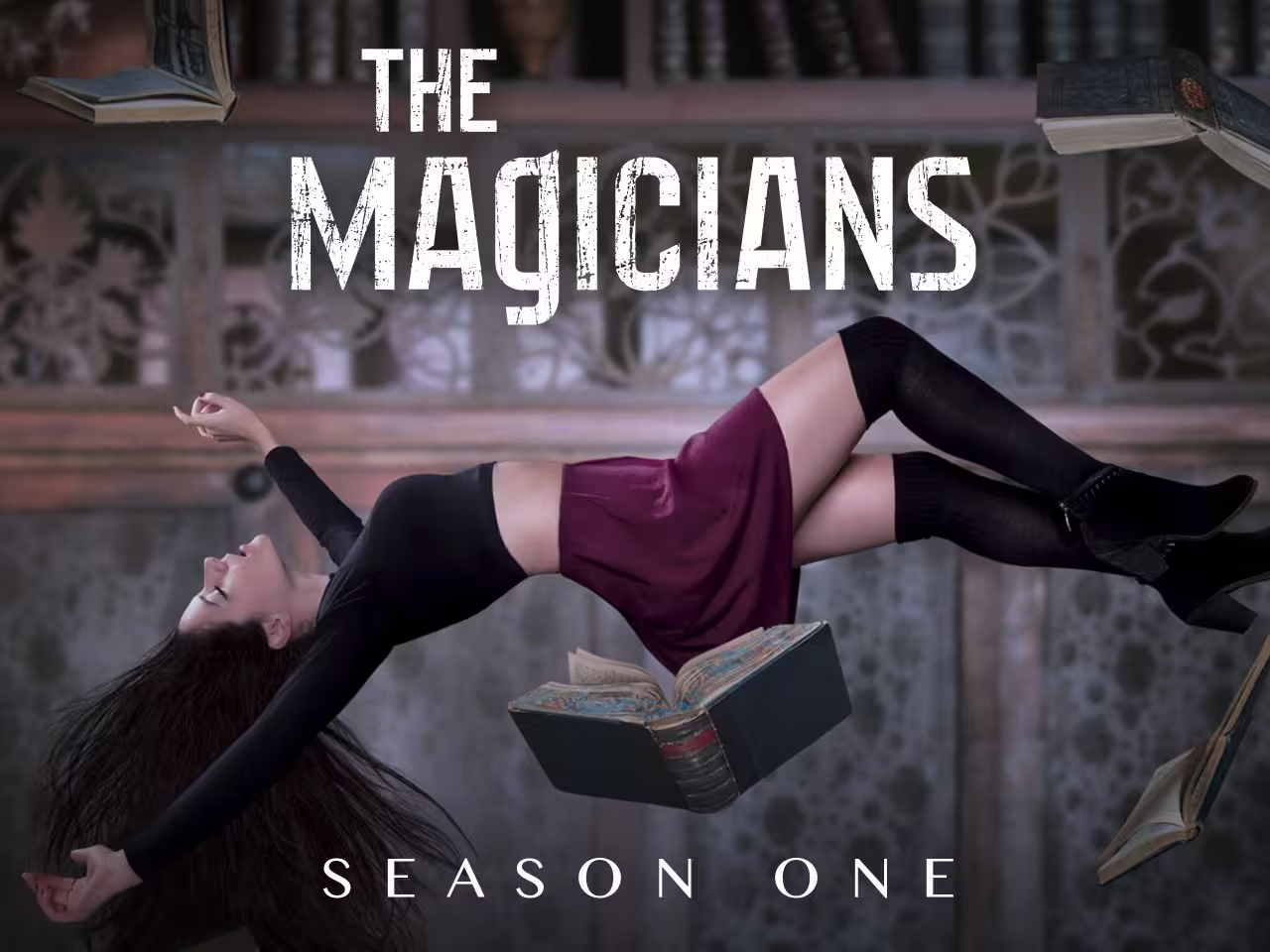
    The Magicians has 5 complete seasons available on Netflix in select regions, but availability varies by country. The fantasy series originally aired on Syfy from 2015 to 2020, concluding with its fifth and final season.

    Regional availability of The Magicians

    Netflix streaming rights for The Magicians depend on geographic location:

    • United States: All 5 seasons are currently available on Netflix US
    • United Kingdom: The series may have limited availability or be absent from the catalog
    • Canada: Availability varies based on licensing agreements
    • Australia and other regions: Streaming rights often belong to different platforms

    Where to watch The Magicians outside Netflix

    Viewers in regions without Netflix access can find The Magicians on streaming services listed below.

    • Amazon Prime Video offers all seasons for purchase or rental
    • Peacock streams the complete series in the United States
    • DVD and Blu-ray collections provide physical media options
    • Local streaming platforms may hold regional broadcasting rights

    The Magicians series overview

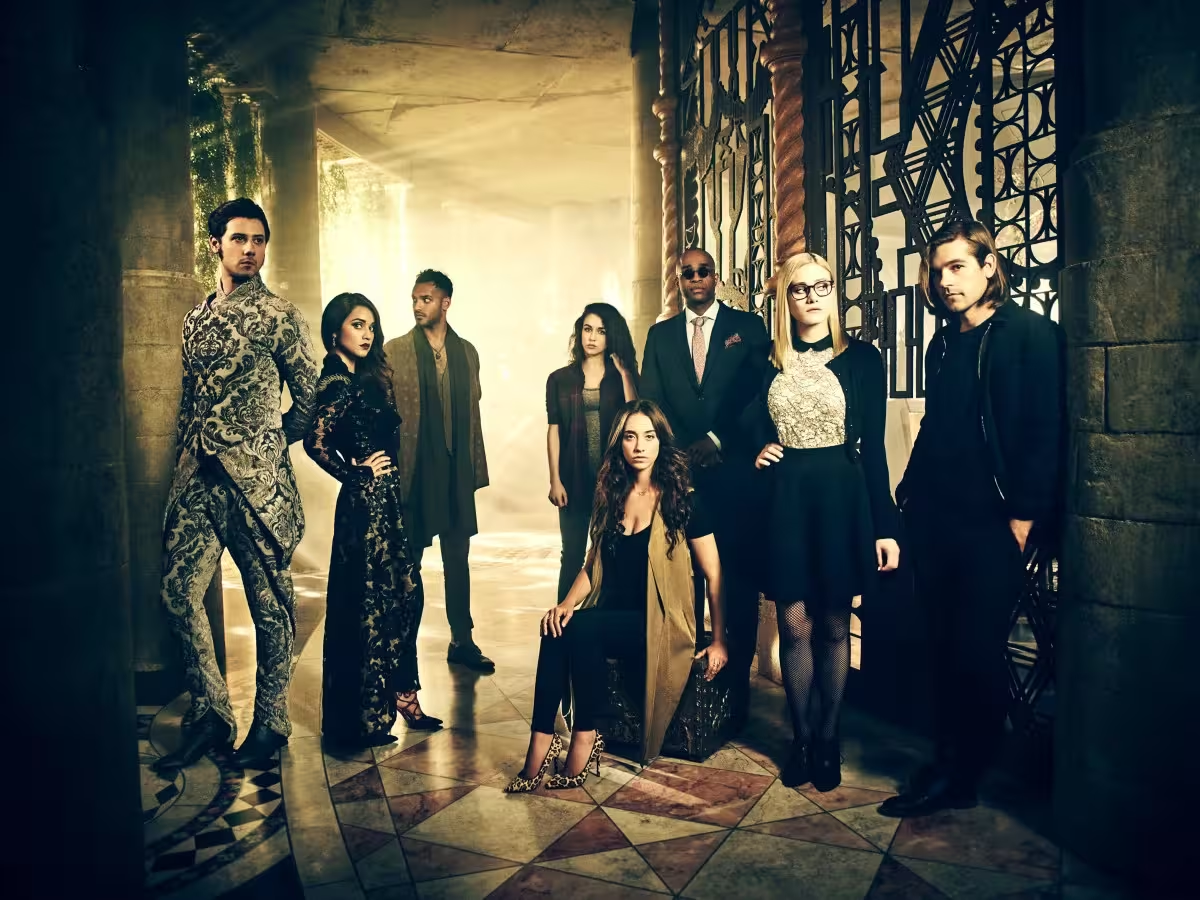
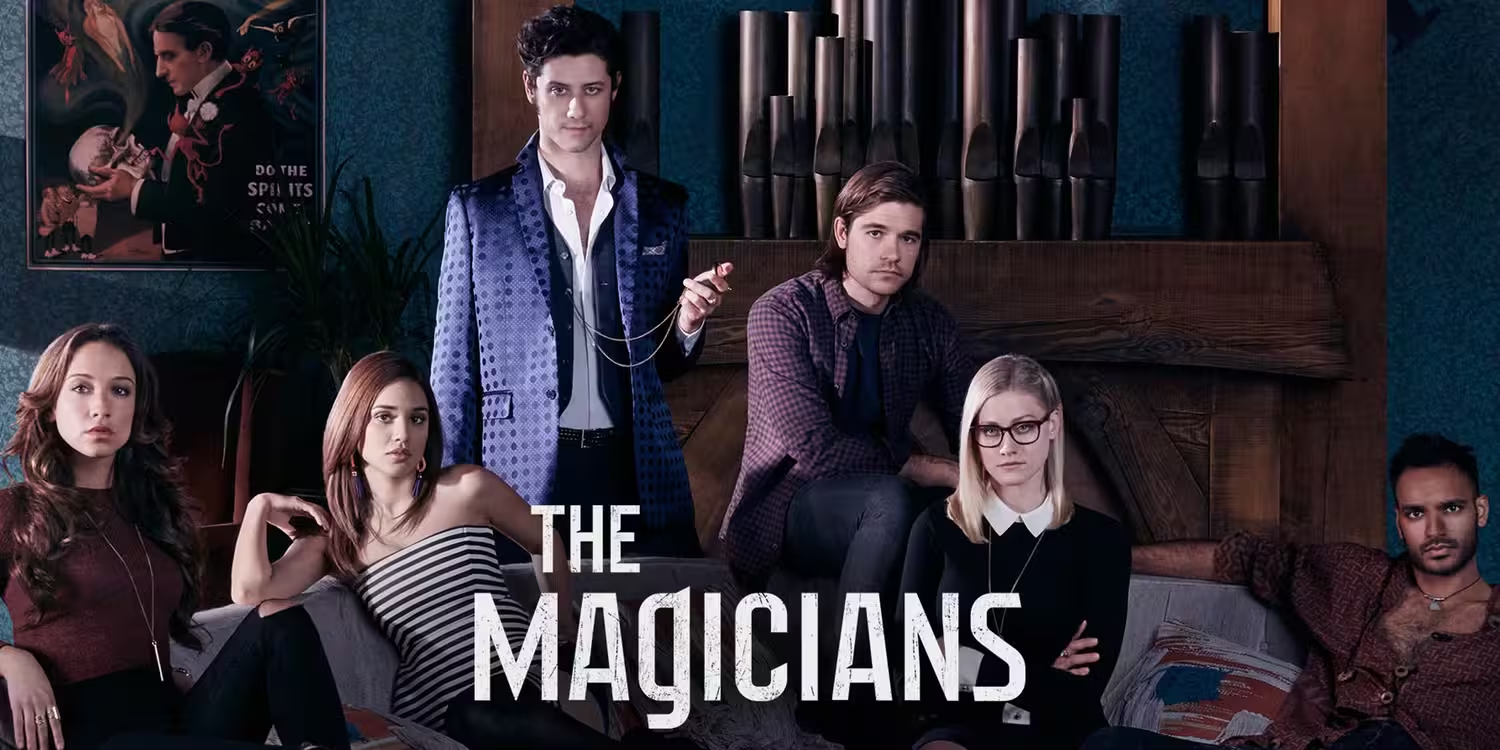
    The Magicians follows Quentin Coldwater, a graduate student who discovers that the magical world from his favorite childhood books is real. The show spans 65 episodes across 5 seasons, blending dark fantasy elements with coming-of-age storytelling. Key cast members include Jason Ralph, Stella Maeve, Olivia Taylor Dudley, Hale Appleman, and Summer Bishil.

    The series concluded on April 1, 2020, with a planned finale that wrapped up major storylines while leaving room for interpretation. Syfy canceled the show after season 5, making it the endpoint for the television adaptation of Lev Grossman’s novel trilogy.

    To confirm current availability in your specific location, check Netflix directly or use third-party tools like JustWatch or Reelgood that track streaming availability across platforms and regions.

  • Did The Magicians get cancelled | Why Syfy cancelled The Magicians

    Did The Magicians get cancelled | Why Syfy cancelled The Magicians

    Did The Magicians get cancelled?

    The Magicians was cancelled after 5 seasons, with the final episode airing on April 1, 2020. Syfy announced the cancellation in March 2020, confirming that the season 5 finale—airing on April 1, 2020—would serve as the series finale.

    Despite strong critical acclaim and a dedicated fanbase, the show was not renewed for a sixth season due to declining ratings and rising production costs. The creative team, including showrunners Sera Gamble and John McNamara, had anticipated the end and crafted the finale to function as a conclusive series ending. Syfy and production company Showcase announced the cancellation in March 2019, before the fifth season premiered, giving the creative team time to craft a proper conclusion to the fantasy series.

    Why Syfy cancelled The Magicians

    The cancellation stemmed from declining viewership and rising production costs. The Magicians experienced a significant drop in live ratings throughout its run, though the series maintained a dedicated fanbase and performed well on streaming platforms. By season 5, the show’s expensive visual effects and ensemble cast became difficult to justify against traditional television metrics that primarily measured live viewing numbers.

    The show’s legacy and impact

    The Magicians ran from 2015 to 2020, adapting Lev Grossman’s trilogy of novels about Brakebills University, a secret institution for learning magic. The series developed a cult following for its mature approach to fantasy storytelling, complex character development, and willingness to tackle dark themes including mental health, addiction, and identity.

    The cancellation disappointed fans who had formed strong connections with characters like Quentin Coldwater, Alice Quinn, Eliot Waugh, and Margo Hanson. Despite the abbreviated notice, showrunners Sera Gamble and John McNamara structured the final season to provide closure, though some storylines remained open-ended.

    Fan response and potential revival

    Following the announcement, fans launched petitions and social media campaigns using #SaveTheMagicians, attempting to convince other networks or streaming services to continue the series. Netflix, Hulu, and other platforms declined to pick up the show, citing the same financial concerns that led to the original cancellation.

    The cast and creators have expressed openness to revisiting The Magicians universe through potential spin-offs, movies, or limited series, though no concrete plans have materialized as of 2026. The complete series remains available on streaming platforms, maintaining steady viewership among fantasy television enthusiasts.

    Did The Magicians get cancelled?

    The Magicians was cancelled after 5 seasons, with the final episode airing on April 1, 2020. Syfy announced the cancellation in March 2020, confirming that the season 5 finale—airing on April 1, 2020—would serve as the series finale. Despite strong critical acclaim and a dedicated fanbase, the show was not renewed for a sixth season due to declining ratings and rising production costs.

    The creative team, including showrunners Sera Gamble and John McNamara, had anticipated the end and crafted the finale to function as a conclusive series ending. Syfy and production company Showcase announced the cancellation in March 2019, before the fifth season premiered, giving the creative team time to craft a proper conclusion to the fantasy series.

    Why Syfy cancelled The Magicians

    The cancellation stemmed from declining viewership and rising production costs. The Magicians experienced a significant drop in live ratings throughout its run, though the series maintained a dedicated fanbase and performed well on streaming platforms. By season 5, the show’s expensive visual effects and ensemble cast became difficult to justify against traditional television metrics that primarily measured live viewing numbers.

    The show’s legacy and impact

    The Magicians ran from 2015 to 2020, adapting Lev Grossman’s trilogy of novels about Brakebills University, a secret institution for learning magic. The series developed a cult following for its mature approach to fantasy storytelling, complex character development, and willingness to tackle dark themes including mental health, addiction, and identity.

    The cancellation disappointed fans who had formed strong connections with characters like Quentin Coldwater, Alice Quinn, Eliot Waugh, and Margo Hanson. Despite the abbreviated notice, showrunners Sera Gamble and John McNamara structured the final season of The Magicians to provide closure, though some storylines remained open-ended.

    Fan response and potential revival

    Following the announcement, fans launched petitions and social media campaigns using #SaveTheMagicians, attempting to convince other networks or streaming services to continue the series. Netflix, Hulu, and other platforms declined to pick up the show, citing the same financial concerns that led to the original cancellation.

    The cast and creators have expressed openness to revisiting The Magicians universe through potential spin-offs, movies, or limited series, though no concrete plans have materialized as of 2026. The complete series remains available on streaming platforms, maintaining steady viewership among fantasy television enthusiasts.

  • Did The Magicians have an ending

    Did The Magicians have an ending

    Did The Magicians show have an ending?

    Yes, The Magicians television series concluded with a definitive ending after 5 seasons on April 1, 2019. The fantasy drama, which aired on Syfy from 2015 to 2019, wrapped up the storylines of Quentin Coldwater, Julia Wicker, Eliot Waugh, Margo Hanson, and the other magical practitioners at Brakebills University.

    The series finale resolution

    The final episode, titled “Fillory and Further,” brought closure to the main narrative arcs. Quentin Coldwater sacrificed himself in the penultimate episode to save magic and his friends, which became the emotional cornerstone of the series conclusion. The finale explored how the surviving characters processed this loss while facing new magical threats and rebuilding their lives.

    The remaining Brakebills graduates dealt with the aftermath of Quentin’s death, the restoration of magic to multiple worlds, and the future of Fillory. Alice Quinn, Penny Adiyodi, Kady Orloff-Diaz, and other central characters received resolution to their individual story arcs, though some plot threads remained open-ended to reflect the ongoing nature of the magical universe.

    Cancellation circumstances

    Syfy and Universal Content Productions canceled The Magicians after season 5 despite moderate ratings and a dedicated fanbase. The decision came as a surprise to showrunners Sera Gamble and John McNamara, who had planned additional seasons based on Lev Grossman’s book trilogy and original storylines. The production team compressed their planned narrative to provide fans with a satisfying conclusion within the shortened timeframe.

    The cancellation reflected broader changes in the television landscape, including Syfy’s strategic shift away from expensive scripted dramas toward lower-cost programming. The network had previously canceled other fantasy series such as Dark Matter and The Expanse before The Magicians met a similar fate.

    Fan reception and legacy

    The series finale generated mixed reactions from the dedicated fanbase. Many viewers of The Magicians appreciated the emotional depth and character development in the final episodes, particularly the exploration of grief, friendship, and personal growth. However, some fans expressed disappointment that certain storylines and relationships, especially the Quentin-Eliot dynamic, did not receive the resolution they had anticipated.

    The show maintained its legacy through its sophisticated handling of mental health themes, LGBTQ+ representation, and deconstruction of traditional fantasy tropes. The Magicians influenced subsequent fantasy television by demonstrating that genre shows could tackle complex adult themes while maintaining magical wonder and humor.

  • Does The Magicians follow the books | What are the structural differences between The Magicians show and the books

    Does The Magicians follow the books | What are the structural differences between The Magicians show and the books

    Does The Magicians show follow the books?

    The Magicians television series adapts the story and characters from Lev Grossman’s trilogy but diverges in plot details, character arcs, and timeline. The show uses the novels as a foundation rather than a blueprint, creating a distinct narrative experience.

    What are the structural differences between The Magicians show and the books?

    The show’s restructuring accelerates the pacing and interweaves multiple storylines that the books present sequentially. The television adaptation compresses and rearranges events from all 3 books—The Magicians, The Magician King, and The Magician’s Land. Book 1 unfolds over 4 years at Brakebills University, while the show’s first season covers this period in months. The series introduces Fillory (the magical world) in season 1, whereas the novels don’t reveal Fillory until the second book.

    Character development variations

    The television version diversifies the cast—Penny becomes Filipino-American, Dean Fogg is blind in the TV version, and Kady Orloff-Diaz is a character not present in the source material. The show expands secondary characters like Eliot Waugh, Margo Hanson (called Janet in the books), and Penny Adiyodi into major protagonists with independent story arcs. Julia Wicker’s hedge witch storyline, which occupies the second novel, runs parallel to Quentin Coldwater’s Brakebills education from season 1.

    Thematic and tonal shifts

    The show explores LGBTQ+ relationships prominently, through Eliot and Quentin’s connection, which the books only hint at briefly. Lev Grossman’s novels present a darker, more introspective examination of depression, privilege, and disillusionment with fantasy tropes. The books focus heavily on Quentin’s internal struggles and existential crises. The Syfy series maintains these mature themes but balances them with ensemble dynamics, faster-paced action sequences, and increased humor.

    Plot divergences in later seasons

    By seasons 3 through 5, The Magicians television series creates largely original storylines while maintaining the spirit of Grossman’s world-building. The quest for the 7 keys, the Library of the Neitherlands as antagonists, and the Monster possessing Quentin’s body are inventions of the show’s writers. The series conclusion differs entirely from the trilogy’s ending—the books conclude with Quentin becoming headmaster of Brakebills, while the show takes a drastically different direction for the character’s fate in season 4.

    Magical system presentation

    Both versions feature intricate hand gestures (called “tutting”) for spellcasting and emphasize rigorous academic training at Brakebills University for Magicians. The novels provide more detailed explanations of magical theory and the physical toll casting takes on practitioners. The television adaptation visualizes these concepts with special effects but simplifies some of the technical complexity to maintain narrative momentum across 13-episode seasons.

  • How can I watch The Magicians online | Streaming availability of The Magicians online | The Magicians online purchase and rental options

    How can I watch The Magicians online | Streaming availability of The Magicians online | The Magicians online purchase and rental options

    How to watch The Magicians online

    The Magicians is currently unavailable to stream on major platforms in the United States. The fantasy drama series, which aired from 2015 to 2020 on Syfy, was last available on The Roku Channel until August 2023.

    Streaming availability of The Magicians online

    The Magicians does not have an active streaming home as of 2026. The series previously appeared on platforms including The Roku Channel, Netflix, and Peacock, but licensing agreements have since expired.

    The Magicians online purchase and rental options

    Digital platforms such as Amazon Prime Video, Apple TV, Google Play, and Vudu offer individual episodes or complete seasons for purchase or rental. These options allow viewers to buy and own digital copies of the series independently of streaming subscriptions.

    Physical media

    DVD and Blu-ray box sets containing all 5 seasons remain available through retailers like Amazon, Best Buy, and other media outlets. Physical media provides permanent access to the series without relying on streaming platform availability.

    Series overview

    The Magicians centers around Brakebills University, a secret institution specializing in magic. Based upon Lev Grossman’s best-selling books, the series follows a group of twenty-something friends who discover that a magical fantasy world they read about as children is real and poses grave danger to humanity. The show ran for 5 seasons on Syfy, concluding in April 2020.

  • How long is Shin Lim magic show in Las Vegas | What to expect during the Shin Lim magic show performance | Shin Lim magic show schedule and timing

    How long is Shin Lim magic show in Las Vegas | What to expect during the Shin Lim magic show performance | Shin Lim magic show schedule and timing

    How long is Shin Lim magic show in Las Vegas?

    Shin Lim’s magic show in Las Vegas is 90 minutes long. The Taiwanese-Canadian illusionist performs “Limitless” at The Mirage Hotel and Casino, delivering close-up card magic and grand illusions that blend sleight of hand with theatrical production.

    Shin Lim magic show schedule and timing

    Shin Lim performs Wednesday through Sunday at 7:00 PM in the Terry Fator Theatre. The magician takes Mondays and Tuesdays off, giving audiences 5 opportunities weekly to witness card manipulations, vanishing acts, and smoke-filled stage illusions. The 90-minute runtime includes multiple segments where Lim transitions between intimate card tricks and large-scale productions involving assistants and elaborate staging.

    What to expect during the Shin Lim magic show performance

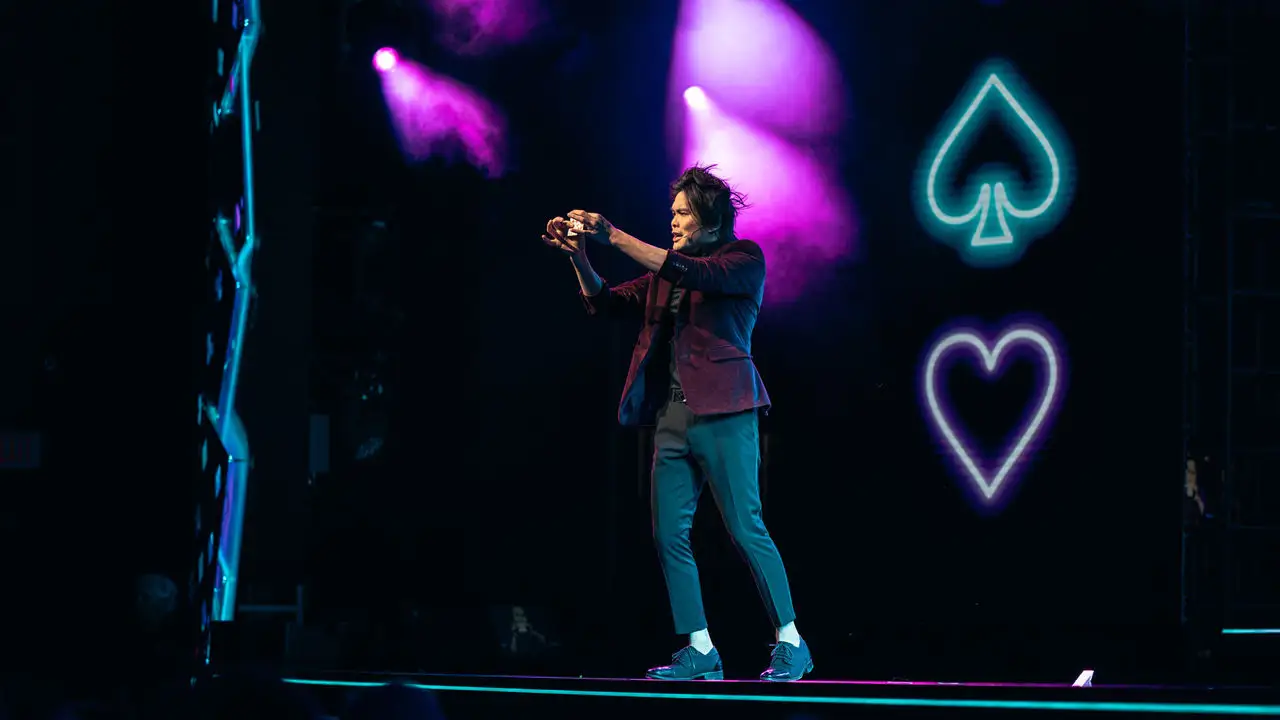
    The show features Lim’s signature silent performances set to music, where the magician executes flourishes, color changes, and impossible card transpositions without speaking. Audiences watch cards appear, disappear, and transform in Lim’s hands through techniques Shin Lim perfected as a 2-time winner of “America’s Got Talent” and “America’s Got Talent: The Champions.” The performance incorporates theatrical lighting, smoke effects, and projected visuals that enhance cardistry sequences and large-scale tricks.

    Venue capacity and seating

    The Terry Fator Theatre at The Mirage seats 1,200 people, offering tiered viewing that ensures audiences can observe Lim’s finger movements and card manipulations. The theater uses camera projections for close-up work, broadcasting hand movements onto large screens so patrons in back rows can appreciate intricate sleight of hand techniques. Premium seating options place viewers closer to the stage where Lim occasionally interacts with audience members for selected tricks.

    Age recommendations and accessibility

    The show welcomes guests of all ages over 5 years old. Lim’s performances contain no inappropriate content, making “Limitless” suitable for families seeking entertainment that showcases technical skill rather than shock value or comedy. The theater provides wheelchair-accessible seating and accommodations for guests with disabilities who want to experience card magic, stage illusions, and Lim’s award-winning act.

  • How long is a magic show | What is the typical length of a magic show? | Typical runtimes by magic show type

    How long is a magic show | What is the typical length of a magic show? | Typical runtimes by magic show type

    Magic shows range from quick sets to full theater productions, and the “right” length depends on the audience, venue, and format.

    What is the typical length of a magic show?

    A magic show is 30–60 minutes for most public and private bookings, with shorter sets for tight schedules and longer formats for theaters and casinos.

    Typical runtimes by magic show type

    Different magic formats use different time blocks.

    • Close-up magic (cocktail hour, strolling): 60–120 minutes total, delivered in 5–10 minute mini-sets for groups at tables
    • Parlor magic (living room, small event space): 30–45 minutes as one continuous set
    • Kids birthday magic (ages 4–10): 30–45 minutes, often plus 10–20 minutes for balloons or photos
    • Corporate magic (banquet room, conference): 20–45 minutes for a featured spot, or 60–90 minutes for a headline act
    • Stage illusion show (theater, performing arts center): 75–110 minutes, commonly with a 10–20 minute intermission
    • Casino or cruise ship headliner (Las Vegas-style): 60–90 minutes, often built around a fixed venue schedule

    What changes the length of a magic show

    A show runs longer or shorter when planning constraints change.

    • Audience age: Younger kids sustain focus for 30–45 minutes, adults tolerate 60–90 minutes with strong pacing
    • Venue rules: Theaters, schools, and casinos enforce hard start/stop times, including load-in and soundcheck windows
    • Participation level: Volunteer-heavy routines add 5–15 minutes through selection, reset, and applause beats
    • Production scale: Illusions, lighting cues, and costume changes add 10–30 minutes compared with a minimal-prop act
    • Event structure: Dinners, speeches, and awards compress a show into a 15–25 minute “feature” slot

    How to choose the right length for your event

    Pick the length that fits your schedule first, then match the format.

    • Choose 30–45 minutes for birthday parties, school assemblies with tight rotations, and most community events
    • Choose 20–30 minutes for corporate agendas with keynote speakers and hard transition times
    • Choose 60–90 minutes for ticketed evening shows in theaters, comedy clubs, and casino lounges
    • Choose 60–120120 minutes of strolling close-up for weddings and cocktail receptions (for example, 90 minutes while guests mingle)

    Sample schedules you can copy

    These templates fit common magic show bookings.

    • Kids party: 10 minutes warm-up + 35 minutes show + 10 minutes meet-and-greet
    • Corporate banquet: 5 minutes intro + 25 minutes feature set + 5 minutes photo moment
    • Theater night: 45 minutes act 1 + 15 minutes intermission + 35 minutes act 2
  • Is The Magicians on Netflix scary | How scary is The Magicians on Netflix | What makes The Magicians tv show scary

    Is The Magicians on Netflix scary | How scary is The Magicians on Netflix | What makes The Magicians tv show scary

    The Magicians is moderately scary, with dark-fantasy danger and occasional graphic moments instead of constant horror.

    How scary The Magicians feels

    The Magicians is a dark fantasy-drama with horror spikes, not a pure horror series. The fear level comes in waves: long stretches of plot and relationships, then sudden threat, violence, or trauma.

    What makes The Magicians tv show scary

    The Netflix show uses unpredictable supernatural threats, including a powerful villain called The Beast. It includes frightening scenes, then escalates tension with magic that causes real consequences instead of harmless spectacle.

    What makes it intense, not just scary

    The series includes graphic violence and gore, with injuries such as eyes being removed, hearts being pulled out, amputations, and a skinned animal. It also includes 1 episode with a graphic sexual assault scene that becomes a recurring plot reference.

    Who will find The Magicians too much

    The Magicians fits viewers who handle TV-14 dark fantasy with blood, trauma, and harsh language. Avoid The Magicians if you want “cozy magic school” tone, if you avoid sexual assault content, or if realistic gore ruins fantasy shows.

    Quick self-check before you press play

    Watch 10 minutes of episode 1 to gauge tone, then stop if the dread-heavy atmosphere feels wrong. Use episode guides that flag sexual assault and gore to pick safe episodes, if you want the story without the worst scenes.

  • Is The Magician based on a true story: Robert-Houdin legacy explained | The Magician true story: How Jean Eugène Robert-Houdin inspired the film | The Magician movie historical accuracy: Real events behind the biographical drama | Is the Magician film based on a real magician from 19th century France | The Magician true story: Robert-Houdin’s rivalry with Torrini revealed | Real magician behind the Magician movie: Jean Eugène Robert-Houdin’s life | Historical magician Robert-Houdin: The true story behind The Magician film | The Magician based on true story: Separating fact from fiction in the biographical film | Jean Eugène Robert-Houdin biography: The real events in The Magician movie | The Magician true story: How the 2005 film dramatized magic history

    Is The Magician based on a true story: Robert-Houdin legacy explained | The Magician true story: How Jean Eugène Robert-Houdin inspired the film | The Magician movie historical accuracy: Real events behind the biographical drama | Is the Magician film based on a real magician from 19th century France | The Magician true story: Robert-Houdin’s rivalry with Torrini revealed | Real magician behind the Magician movie: Jean Eugène Robert-Houdin’s life | Historical magician Robert-Houdin: The true story behind The Magician film | The Magician based on true story: Separating fact from fiction in the biographical film | Jean Eugène Robert-Houdin biography: The real events in The Magician movie | The Magician true story: How the 2005 film dramatized magic history

    Is The Magician based on a true story: Robert-Houdin legacy explained

    The Magician movie is based on the life and memoirs of Jean Eugène Robert-Houdin, the French magician born in 1805 in Blois, France. Jean Eugène Robert-Houdin was the French magician who transformed magic from street entertainment into theatrical art. Robert-Houdin revolutionized how magicians presented themselves by wearing formal evening attire rather than wizard robes. The historical magic performances include the Light and Heavy Chest, Ethereal Suspension, and Second Sight. Robert-Houdin influenced modern magic by establishing conventions that define contemporary stage magic, from formal presentation style to the integration of technology into illusions. Harry Houdini adopted his professional name to honor Robert-Houdin’s legacy, demonstrating the French magician’s lasting impact on performance traditions.

    The Magician film released in 2005 dramatizes the life of Jean Eugène Robert-Houdin, the French conjurer who revolutionized stage magic in the 19th century. The biographical drama starring Neil Patrick Harris blends historical events with fictionalized characters to create an engaging narrative about the father of modern magic.

    What is The Magician movie based on?

    What Is The Magician Movie Based On?
    Aspect Comparison
    The Magician movie is based on **the life and memoirs of Jean Eugène Robert-Houdin**, the French mag incorporating fictional elements to heighten dramatic tension

    The 2005 biographical drama focuses on Robert-Houdin’s journey to opening Theatre Robert-Houdin in 1845, where he performed stage illusions including the Light and Heavy Chest, Ethereal Suspension, and Second Sight. The film compresses events from Robert-Houdin’s over 40 years of professional performing into a more condensed narrative arc.

    Who was Jean Eugène Robert-Houdin?

    Jean Eugène Robert-Houdin was the French magician who transformed magic from street entertainment into theatrical art. He performed in upscale venues including Théâtre Robert-Houdin, Palais Royal theaters, and Parisian performance halls. Robert-Houdin combined mechanical skill with showmanship to create illusions that baffled aristocratic audiences throughout France and Europe.

    Jean Eugène Robert-Houdin

    Robert-Houdin’s background as a clockmaker enabled him to develop magic innovations including automata, electromagnetic apparatus, and theatrical lighting effects that had never been seen on stage before. His scientific approach to illusion-making distinguished him from traveling conjurers of the Victorian era magic scene.

    Harry Houdini later adopted his stage name as tribute to Robert-Houdin, though their relationship became complicated when Houdini later criticized his idol in print. Related: Harry Houdini’s connection to Robert-Houdin explained

    Robert-Houdin’s early life and apprenticeship

    Aspect Comparison
    Robert-Houdin trained **as a watchmaker in Blois before discovering magic through an accidental book received a magic text instead, which sparked his lifelong passion for conjuring and mechanical illus

    His dual expertise in precision mechanics and performance art allowed him to create sophisticated automata and clockwork devices that amazed 19th century audiences. Robert-Houdin performed demonstrations at private salons before opening his permanent theater in Paris.

    Robert-Houdin’s innovations in stage magic

    Robert-Houdin revolutionized how magicians presented themselves by wearing formal evening attire rather than wizard robes. This change elevated the perception of magic from carnival trickery to refined entertainment suitable for aristocratic patrons.

    Robert-Houdin invented famous illusions including card tricks, escape acts, and levitation performances that relied on hidden electromagnetic mechanisms and precise timing. Robert-Houdin’s Algeria mission occurred in 1856, when the French government commissioned him to demonstrate Western technology to tribal leaders through theatrical magic.

    The magician created over 100 illusions during his career, many of which remain foundational to modern stage performance. His technical manuscripts documented construction methods for mechanical automata and electrical apparatus that other French magicians including Jean-Henri Servais Alkan and Philippe Talon later studied.

    How accurate is The Magician film to real events?

    The Magician film is moderately accurate in capturing Robert-Houdin’s general career trajectory but condenses decades of gradual success into a dramatically compressed timeline. The movie accurately depicts his transition from watchmaker to theater owner and his development of signature illusions that made him famous throughout France.

    How Accurate Is The Magician Film To Real Events?

    Period dramas including The Prestige, The Illusionist, and The Magician prioritize narrative engagement over strict chronological accuracy. Related: The Prestige vs The Illusionist: Comparing historical magic films

    The film correctly shows Robert-Houdin’s death in 1871 at age 65, after retiring from regular performances to focus on writing and invention. The biographical drama genre requires creative compression of historical timelines to maintain audience engagement throughout a 90 minute runtime.

    What parts of The Magician true story are fictionalized?

    The fictionalized parts include the rivalry between Robert-Houdin and Count Edmond de Grisy, which represents the film’s most significant fictional addition. While Robert-Houdin faced professional competition from other performers, the intense personal vendetta depicted in The Magician movie amplifies real historical tensions into melodrama.

    What Parts Of The Magician True Story Are Fictionalized?

    The romantic subplot and certain character relationships deviate from documented history to create emotional stakes beyond Robert-Houdin’s professional achievements. Biographical films including Walk the Line, The Theory of Everything, and The Magician regularly modify personal relationships to enhance storytelling.

    Gillian Anderson’s character composites multiple people from Robert-Houdin’s life into a single dramatic role. The film restructures events from the 19th century to build toward climactic confrontations that differ from the more gradual reality of Robert-Houdin’s career.

    Who was Count Edmond de Grisy in real life?

    Count Edmond de Grisy was a wholly fictional character created for The Magician film. No historical evidence suggests Robert-Houdin had a rival matching this character’s description or backstory.

    The real magician faced competition from other French conjuring tradition performers, but none with the aristocratic background or obsessive antagonism portrayed in the movie. The Count de Grisy character serves as a dramatic device to externalize Robert-Houdin’s professional struggles.

    Magic historians including Jim Steinmeyer, Ricky Jay, and David Price have documented Robert-Houdin’s actual contemporaries without identifying anyone matching the film’s villain. The fictionalized rival allows the biographical drama to create tension through interpersonal conflict rather than the slower reality of building a theater business.

    Did Robert-Houdin really have a mentor named Torrini?

    Robert-Houdin did not have a real mentor named Torrini. Robert-Houdin claimed in his writings to have studied with an Italian magician named Torrini, but modern scholars consider this fictional mentor entirely invented. Robert-Houdin likely created the Torrini narrative to add romantic mystique to his autobiography.

    Contemporary magic historians have found no evidence that Torrini existed as described in Robert-Houdin’s memoirs. The supposed mentor appears to be a literary device Robert-Houdin used to frame his learning journey in his published writings including Memoirs of Robert-Houdin, Confidences of a Conjuror, and technical manuscripts.

    The Magician movie perpetuates this myth by featuring Torrini as a central character, blending Robert-Houdin’s own fictionalization with additional dramatic embellishments. The film treats the Torrini story as true despite historical scholarship debunking it.

    What historical magic performances appear in The Magician movie?

    The historical magic performances include the Light and Heavy Chest, Ethereal Suspension, and Second Sight. The Magician film recreates several authentic Robert-Houdin illusions, including the Light and Heavy Chest that used electromagnetic apparatus to make a wooden box impossibly heavy. This trick demonstrated Robert-Houdin’s ability to incorporate cutting-edge 19th century inventions into his performances.

    What Historical Magic Performances Appear In The Magician Movie?

    The Ethereal Suspension illusion appears in the movie, showing Robert-Houdin’s ability to make his son appear to float supported only by a single pole. Related: Famous stage illusions from the 19th century

    The Second Sight act featured Robert-Houdin’s wife identifying objects while blindfolded, creating the impression of telepathic communication. These historical venues and performances establish the film’s connection to real magic history despite its fictional narrative elements.

    How did Robert-Houdin influence modern magic?

    Robert-Houdin influenced modern magic by establishing conventions that define contemporary stage magic, from formal presentation style to the integration of technology into illusions. His emphasis on mechanical ingenuity over mystical pretense shifted how audiences perceived and valued magical entertainment.

    Harry Houdini adopted his professional name to honor Robert-Houdin’s legacy, demonstrating the French magician’s lasting impact on performance traditions. Robert-Houdin’s approach to publicity, theater design, and illusion construction became templates that subsequent generations of performers studied.

    The transition from carnival entertainment to legitimate theatrical art owes much to Robert-Houdin’s insistence on respectable venues and professional conduct. His influence extends beyond specific tricks to encompass the entire presentation philosophy of modern stage magic.

    Why do biographical films change historical accuracy?

    Biographical films change historical accuracy because true events often unfold gradually over years without the dramatic peaks and valleys that cinema requires. Biographical films balance educational value against entertainment requirements that demand compressed timelines and heightened conflict.

    Related: How biographical films balance fact and fiction

    Period films must translate historical contexts for modern audiences while maintaining narrative momentum. The Magician film prioritizes emotional truth over factual accuracy, using fictionalized elements to convey Robert-Houdin’s broader significance rather than documenting every detail.

    Screenwriters compress multiple real people into composite characters and restructure chronology to create satisfying story arcs. The biographical drama genre serves to illuminate historical figures’ impact rather than provide documentary precision.

    What other magicians influenced The Magician film’s narrative?

    The magicians who influenced the film include Victorian era magic tradition performers beyond Robert-Houdin himself. The Magician movie draws atmospheric elements from Victorian era magic traditions beyond Robert-Houdin himself. The film incorporates visual motifs and storytelling conventions from other documented French conjuring tradition performers to create period authenticity.

    Contemporary magic historians consulted on the production likely introduced references to other famous magicians whose techniques or presentation styles informed the era’s performance culture. The film synthesizes various historical influences into a narrative centered on Robert-Houdin.

    The theatrical world depicted in The Magician reflects the broader Parisian entertainment scene of the 19th century, including influences from theater, circus, and scientific demonstration traditions that shaped Robert-Houdin’s approach.

    Where can you learn more about real magic history?

    You can learn more about real magic history through archives maintained by magic historians and published scholarship examining figures like Jean Eugène Robert-Houdin. Magic historians maintain archives and publish scholarship examining figures like Jean Eugène Robert-Houdin and the evolution of conjuring arts. Organizations dedicated to preserving magic history offer resources for those interested in separating documented facts from theatrical legends.

    Robert-Houdin’s own writings, while containing fictional elements like the Torrini story, provide firsthand accounts of 19th century performance practices. Modern annotated editions of his memoirs include scholarly commentary distinguishing verifiable facts from embellishments.

    Academic studies of theatrical history and popular entertainment document how stage magic evolved from street performance to legitimate art form. The real magician behind the romanticized film portrayal emerges through careful examination of historical records, contemporary reviews, and documented innovations that transformed entertainment.

    Supplementary

    Jean Eugène Robert-Houdin’s most famous illusions

    The Prestige true story: Were Victorian magicians really rivals?

    – Harry Houdini vs Robert-Houdin: The complicated relationship explained

    – Historical magic performances that changed entertainment forever

    – Best biographical films about magicians and illusionists

  • The worlds best magic shows | Las Vegas magic entertainment destinations | New York City theatrical magic experiences

    The worlds best magic shows | Las Vegas magic entertainment destinations | New York City theatrical magic experiences

    The worlds best magic shows

    The world’s best magic shows combine stunning illusions, expert sleight-of-hand techniques, comedy entertainment, and audience participation to create theatrical experiences. Magic shows captivate audiences in entertainment destinations including Las Vegas, New York City, Baltimore, and Hollywood, featuring performers who have appeared on television programs such as America’s Got Talent, Penn & Teller: Fool Us, Comedy Central, HBO, and The Tonight Show.

    Las Vegas magic entertainment destinations

    Las Vegas hosts the largest concentration of professional magic shows in the world, with performances occurring daily across multiple venues on the Strip and downtown areas. The entertainment capital features both intimate close-up magic performances and large-scale illusion spectacles that attract millions of tourists annually.

    House of Magic operates 2 locations in Las Vegas, bringing comedy magicians from The Magic Castle in Hollywood, Comedy Central, HBO, Netflix, and The Tonight Show. The Silver Sevens Hotel & Casino location performs Thursday through Sunday at 5:00 PM, while the downtown venue inside Hennessey’s Tavern operates at the iconic corner of Las Vegas Boulevard and Fremont Street. House of Magic features resident headliners Michael Deschalit with Magic Misbehaved show exceeding 5000 worldwide performances, and Justin Rivera, a judges’ favorite from America’s Got Talent who performs at top comedy clubs across the country.

    Mike Hammer Comedy & Magic Show at 202 Fremont Street delivers edgy entertainment incorporating magic and audience participation with performances Tuesday through Saturday from 7:00 PM to 8:30 PM. The show maintains a 4.8 rating from 341 reviews, with audiences praising the combination of physical comedy and interactive illusion work.

    Late Night MAGIC operates in The Magicians Room at the LINQ Promenade, offering performances Monday, Friday, Saturday, and Sunday from 10:30 PM to midnight. The venue achieves a perfect 5.0 rating from 128 reviews and provides wheelchair accessible facilities with free parking options.

    New York City theatrical magic experiences

    Broadway Magic Hour presents Jim Vines and Carl Mercurio at the historic Broadway Comedy Club on West 53rd Street during select Fridays, Saturdays, and Sundays from 1:00 PM to 4:00 PM. Time Out NY voted the production a Top Magic Show in NYC, featuring grand illusions, mind-reading demonstrations, and expert sleight-of-hand techniques. Jim Vines appeared on Penn & Teller: Fool Us where magic legends Penn Jillette and Teller praised the performance as “Just brilliant! We loved every single second of it!” Vines earned the title of North American Champion of Magic from the World Congress of Magic (FISM) and performs regularly at the world-famous Magic Castle in Hollywood.

    Carl Mercurio performs at multiple cabarets and magic venues including Comix at Mohegan Sun in Connecticut, Smoke & Mirrors Magic Theater, the Slipper Room in New York City, and the Chicago Magic Lounge. The NY Daily News described the show as “The audience becomes the real star of the hour-long family-friendly theatrical experience featuring grand illusions, mind reading, and magic” in January 2025.

    Regional magic theater venues

    Illusions Bar & Theater in Baltimore, Maryland combines sophisticated dark-wood bar ambiance with weekend comedy magic shows at 1025 South Charles Street. The women-owned establishment operates Friday evenings from 7:00 PM to 11:00 PM and Saturday with 2 performances at 2:00 PM to 6:00 PM and 7:00 PM to 11:00 PM. The venue achieves a 4.9 rating from 1,102 reviews, with patrons highlighting the spectacular themed cocktails and intimate performance atmosphere.

    Las Vegas Shows Magic Theater at 810 South Las Vegas Boulevard operates daily from noon to 11:00 PM, featuring unique and whimsical tricks that earned a 4.9 rating from 482 reviews. The performing arts theater provides wheelchair accessible facilities, LGBTQ+ friendly environment, and family-appropriate content.

    Family-friendly magic performances

    Escape Reality Magic of Garry & Janine Carson performs at Notoriety on the 3rd floor of 450 Fremont Street in Las Vegas, operating Tuesday through Monday from 9:00 AM to 10:00 PM. The production achieves a perfect 5.0 rating from 68 reviews, with audiences emphasizing the show as family friendly entertainment, rare in Las Vegas. The magicians offer online appointment booking and onsite services with wheelchair accessible facilities.

    The Magic Of Jen Kramer at Westgate Las Vegas Resort & Casino performs Friday, Saturday, and Sunday from 5:00 PM to 6:15 PM at 3000 Paradise Road. Kramer entertains audiences with incredible magic, comedy storytelling, and interactive demonstrations designed for all ages. The venue provides wheelchair accessible parking and entrance with credit card and debit card payment options.

    Comedy magic hybrid shows

    James Michael Redneck Comedy Magic Show at 2000 South Las Vegas Boulevard performs Wednesday through Monday from 6:00 PM to 7:30 PM, maintaining a 4.8 rating from 96 reviews. The production delivers fun and interactive entertainment with variety to maintain audience interest throughout the performance duration.

    Dimmare’s Martinis and Magic with a twist of Comedy & a Hula girl operates at 2200 West Mesquite Avenue with performances Tuesday through Friday from 5:00 PM to 11:00 PM and Wednesday from 5:00 PM to 10:00 PM. The cabaret club requires reservations and offers active military discounts, LGBTQ+ friendly atmosphere, and transgender safespace designation with a perfect 5.0 rating from 10 reviews.

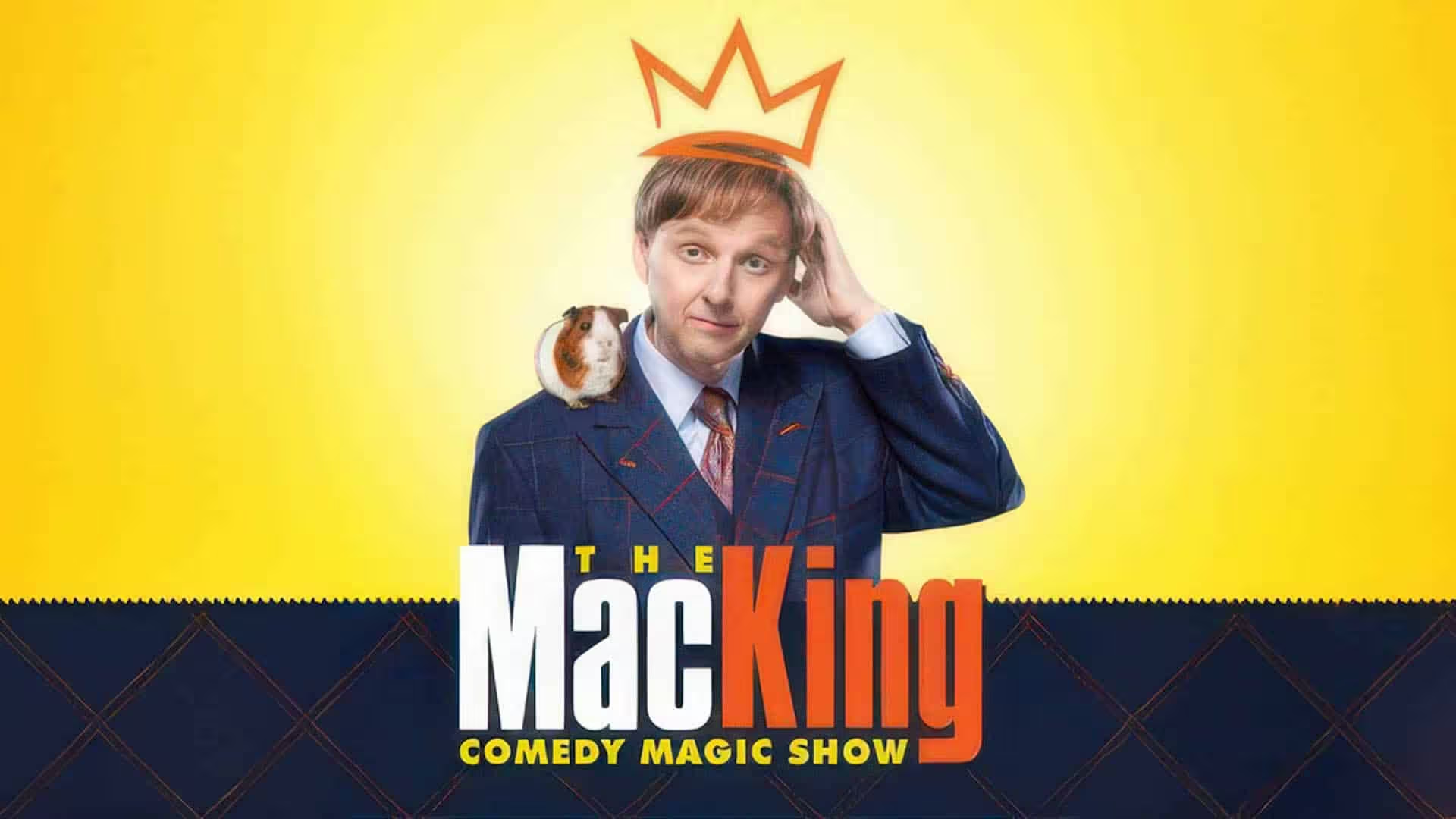
  • Where do The Magicians perform in Vegas venue guide | What venues host magic shows on the Las Vegas Strip? | Where does Penn & Teller perform at Rio All-Suite Hotel? | What venues host magic shows on the Las Vegas Strip? || Where does Penn & Teller perform at Rio All-Suite Hotel? | Where is David Copperfield’s show at MGM Grand located? | Where does Mac King perform at Excalibur Hotel? | Where does Criss Angel perform his Mindfreak show?

    Where do The Magicians perform in Vegas venue guide | What venues host magic shows on the Las Vegas Strip? | Where does Penn & Teller perform at Rio All-Suite Hotel? | What venues host magic shows on the Las Vegas Strip? || Where does Penn & Teller perform at Rio All-Suite Hotel? | Where is David Copperfield’s show at MGM Grand located? | Where does Mac King perform at Excalibur Hotel? | Where does Criss Angel perform his Mindfreak show?

    Where do magicians perform in Vegas: Venue guide

    Las Vegas is the global epicenter for magic entertainment, with performance venues concentrated along the 4.2-mile Las Vegas Strip and select off-Strip locations. Major Strip casinos hosting magic shows include MGM Grand, Caesars Palace, Excalibur, Planet Hollywood, and The LINQ. Penn & Teller perform at the Penn & Teller Theater inside Rio All-Suite Hotel, located 0.5 miles west of the center Strip.

    David Copperfield performs at the David Copperfield Theater at MGM Grand, positioned within the casino’s entertainment corridor. Mac King performs at the Excalibur Thunderland Showroom, located on the casino’s second level. Criss Angel performs his Mindfreak show at Planet Hollywood’s MINDFREAK Theater, a custom-built venue opened specifically for his illusion residency. Off-Strip venues feature Las Vegas magic shows in locations including Rio All-Suite Hotel, downtown Fremont Street properties, and suburban casino resorts.

    Between 8-12 active magic shows operate simultaneously across major casino properties, each offering distinct theatrical environments ranging from intimate 200-seat theaters to grand showrooms seating over 1,400 guests. Understanding the specific magician venues Las Vegas provides helps visitors select shows matching their entertainment preferences and budget constraints, with ticket prices typically ranging from $50-$150.

    What venues host magic shows on the Las Vegas Strip?

    Major Strip casinos hosting magic shows include MGM Grand, Caesars Palace, Excalibur, Planet Hollywood, and The LINQ. These properties dedicate specialized theaters to magic residencies, featuring custom-built stages with trapdoors, lighting systems, and sound equipment designed specifically for illusion performances. The Strip’s concentration of magic show locations Vegas creates a competitive entertainment ecosystem where magicians refine their acts to stand out.

    Strip venues offer distinct advantages for Vegas magicians seeking maximum visibility. High foot traffic from casino guests provides built-in audiences, while casino marketing budgets promote shows through digital displays, street-level billboards, and cross-promotional partnerships. Theater configurations vary from traditional proscenium stages to thrust stages extending into audience seating areas.

    Where does Penn & Teller perform at Rio All-Suite Hotel?

    Penn & Teller perform at the Penn & Teller Theater inside Rio All-Suite Hotel, located 0.5 miles west of the center Strip. The theater seats 1,475 guests and features a thrust stage configuration allowing close audience proximity to the performers. This venue operates as a dedicated space for their comedy magic residency, which has run continuously since 2001.

    The Rio’s off-Strip location requires deliberate travel from central Las Vegas properties. Guests access the venue through the casino floor, with signage directing visitors to the theater entrance. The theater’s acoustic design supports Penn’s verbal comedy while allowing subtle sleight-of-hand work to remain visible from all seating sections.

    Where is David Copperfield’s show at MGM Grand located?

    David Copperfield performs at the David Copperfield Theater at MGM Grand, positioned within the casino’s entertainment corridor. The Theater at MGM Grand underwent renovations to accommodate Copperfield’s large-scale illusions, including disappearing acts requiring extensive backstage mechanics. The venue’s Broadway-style layout seats approximately 740 guests across orchestra and mezzanine levels.

    MGM Grand’s central Strip location at 3799 Las Vegas Boulevard South provides easy access for tourists staying at neighboring properties. The theater entrance sits near the hotel’s main casino floor, with box office operations handling same-day and advance ticket purchases. Copperfield’s residency contract secures the venue for multiple performances weekly throughout the year.

    Which theaters at Caesars Palace host magic performances?

    Caesars Palace rotates magic acts across multiple showrooms based on performer schedules and venue availability. The property’s Colosseum typically reserves its 4,300-seat capacity for musical acts and headliners, while smaller venues like the Cleopatra’s Barge occasionally feature close-up magicians during cocktail hours.

    Mat Franco’s venue at The LINQ

    Mat Franco performs at The LINQ Hotel’s Mat Franco Theater, a 300-seat intimate venue designed for comedy magic. The compact space positions all guests within 75 feet of the stage, enabling Franco’s audience interaction techniques and sleight-of-hand demonstrations. The LINQ’s location mid-Strip at 3535 Las Vegas Boulevard South connects to an outdoor shopping promenade.

    The theater’s staging includes minimal set pieces, focusing attention on Franco’s performance rather than elaborate props. Black-box theater elements allow flexible lighting designs adapting to different segments of the 90-minute show. The venue opened specifically for Franco’s residency following his America’s Got Talent victory.

    Shin Lim’s location at The Mirage

    Shin Lim performs at The Mirage’s Terry Fator Theatre, a 1,200-seat showroom hosting rotating magic and variety acts. The venue’s layout supports both intimate close-up magic projected on large screens and grand illusions requiring substantial stage depth. The Mirage property sits at 3400 Las Vegas Boulevard South, near the Strip’s geographic center.

    Shin Lim’s card manipulation acts translate well to the theater’s video projection systems, magnifying hand movements for distant seating sections. The venue previously hosted other magicians and continues booking diverse magic show formats when Lim’s schedule allows touring commitments.

    Where does Mac King perform at Excalibur Hotel?

    Mac King performs at the Excalibur Thunderland Showroom, located on the casino’s second level. The afternoon show runs 70 minutes and utilizes a modest stage setup emphasizing King’s comedy magic rather than elaborate illusions. Excalibur’s family-oriented positioning at 3850 Las Vegas Boulevard South attracts guests seeking accessible entertainment options.

    The Thunderland Showroom seats approximately 300 guests in a general admission format, with earlier arrivals securing closer positions. King’s matinee schedule differentiates his show from evening magic performances, targeting families and budget-conscious visitors. The venue’s smaller footprint reduces production costs while maintaining professional lighting and sound systems.

    What magic show venues exist at Planet Hollywood and Paris?

    Planet Hollywood and Paris Las Vegas feature flexible showroom spaces accommodating rotating magic acts rather than permanent magician residencies. Planet Hollywood’s Saxe Theater previously hosted rotating performers, while Paris Las Vegas occasionally books magic acts in its Le Theatre des Arts. These venues serve as alternative performance spaces when Vegas magicians develop new shows or test material.

    Theater configurations at these properties support various production scales, from solo mentalists to multi-performer illusion spectacles. Booking contracts typically run shorter than major Strip residencies, allowing casinos to refresh entertainment offerings based on seasonal demand patterns. Ticket pricing for rotating shows often falls below permanent residency rates.

    Where does Criss Angel perform his Mindfreak show?

    Criss Angel performs his Mindfreak show at Planet Hollywood’s MINDFREAK Theater, a custom-built venue opened specifically for his illusion residency. The theater incorporates specialized rigging for aerial illusions and hydraulic stage elements supporting Angel’s contemporary magic style. Planet Hollywood’s location at 3667 Las Vegas Boulevard South positions the venue mid-Strip with direct access from casino gaming floors.

    The MINDFREAK Theater seats approximately 1,400 guests across multiple levels, with VIP sections offering enhanced viewing angles for specific illusions. Angel’s production design incorporates rock concert elements including live music, pyrotechnics, and video projection mapping. The venue’s technical infrastructure supports frequent show updates as Angel develops new illusion sequences.

    How do Vegas magicians choose their performance theaters?

    To choose performance theaters, Vegas magicians evaluate venue capacity, stage dimensions, technical capabilities, and casino partnership terms. Magicians performing close-up card magic prefer intimate 200-400 seat venues where audiences perceive subtle hand movements. Illusionists requiring large props and assistants seek showrooms with deep stages, substantial backstage storage, and loading dock access for equipment transportation.

    Casino partnership structures influence venue selection through revenue sharing agreements, marketing support commitments, and creative control provisions. Established performers like David Copperfield negotiate dedicated theaters with custom renovations, while emerging Vegas magicians accept shorter booking windows in multipurpose showrooms. Venues positioned near casino lobbies benefit from spontaneous walk-up ticket purchases.

    Theater acoustics matter particularly for comedy magicians whose verbal humor requires clear sound reproduction. Sight line considerations ensure all seating sections maintain unobstructed views of key illusion moments. Technical specifications including lighting grid capacity, sound system power, and video projection capabilities constrain certain illusion types, forcing magicians to adapt acts to available equipment.

    Which off-Strip venues feature Las Vegas magic shows?

    Off-Strip venues feature Las Vegas magic shows in locations including Rio All-Suite Hotel, downtown Fremont Street properties, and suburban casino resorts. The Rio’s Penn & Teller Theater operates 0.5 miles west of the central Strip, while Fremont Street’s older casino properties occasionally book magic acts in smaller showrooms seating 100-300 guests. Downtown venues target different demographics than Strip properties, emphasizing value pricing and nostalgic entertainment formats.

    Suburban casino properties in Henderson and North Las Vegas periodically book touring magicians for limited engagement runs. These venues lack the foot traffic of Strip locations but offer lower operating costs and flexible booking terms. Magic show locations Vegas extends to include convention center spaces hosting magic competitions and industry events where professional magicians perform demonstration sets.

    Green Valley Ranch, Red Rock Casino, and other Station Casinos properties maintain showrooms booking diverse entertainment including occasional magic acts. These venues serve local residents rather than tourists, requiring different marketing approaches and show scheduling patterns. Ticket prices at off-Strip venues typically run 20-30% below comparable Strip performances.

    What former magic show locations no longer operate?

    Former magic show locations no longer operating include Siegfried & Roy’s theater at The Mirage, Lance Burton’s theater at Monte Carlo, and Steve Wyrick’s venue at Planet Hollywood. The Mirage’s dedicated Siegfried & Roy Theater closed following Roy Horn’s 2003 on-stage incident, with the space later converted for other productions. Lance Burton’s theater at Monte Carlo operated from 1996 to 2010 before the performer retired and the venue transitioned to different entertainment formats.

    Steve Wyrick’s short-lived theater at Planet Hollywood opened in 2007 but closed within months because of insufficient ticket sales. The Luxor previously hosted multiple magic shows in its 1,200-seat theater before shifting to different entertainment categories. Tropicana’s Folies Bergere showroom occasionally featured magic segments before the entire production closed in 2009.

    Venue closures reflect shifting entertainment trends in Las Vegas, where magic competes with electronic dance music events, sports betting lounges, and celebrity chef restaurants for tourist spending. Economic downturns accelerate theater closures, as casinos convert entertainment spaces to more profitable uses. Some former magic venues undergo complete demolition during property renovations, erasing their architectural legacy.

    Theater spaces previously hosting magic shows often transform into different performance formats including concerts, comedy clubs, or theatrical productions. The physical infrastructure supporting magic illusions—trapdoors, flying systems, and hidden storage—remains dormant behind new staging elements. Historical documentation of closed venues exists primarily through archival photos, performer memoirs, and entertainment industry records tracking Las Vegas magic shows evolution.

    Supplementary

    • Complete seating chart guide for every Vegas magic show theater
    • How much do Vegas magician show tickets cost in 2026
    • Best family-friendly magic shows in Las Vegas with kids
    • Vegas magic show schedules: Days and times for every performer
    • Closest parking options for each Las Vegas magic venue
  • How long is Steve Cohen magic show | Duration Chamber Magic Show | What to expect during the 90-minute Chamber Magic Show performance

    How long is Steve Cohen magic show | Duration Chamber Magic Show | What to expect during the 90-minute Chamber Magic Show performance

    How long is the Chamber Magic Show

    The Chamber Magic Show runs for 1 hour and 30 minutes, including a brief intermission. This duration allows audiences to experience multiple illusions, sleight-of-hand performances, and close-up magic acts while maintaining engagement throughout the evening.

    What to expect during the 90-minute Chamber Magic Show performance

    The Chamber Magic Show features intimate performances in venues seating 50 to 200 people. The show format includes:

    • Opening acts with card manipulation and coin tricks lasting 20 to 25 minutes
    • Main stage illusions and mentalism performances running 35 to 40 minutes
    • A 10 to 15-minute intermission for refreshments and socializing
    • Closing segment with audience participation and grand finale illusions spanning 20 to 25 minutes

    The close-proximity setting distinguishes chamber magic from large-scale theatrical productions, creating direct interaction between magicians like Asi Wind, Helder Guimarães, and Derek DelGaudio and their audiences.

    Variations in show length by venue and performer

    Some Chamber Magic Show performances extend to 2 hours when featuring multiple magicians or special guest appearances. Venues such as The Magic Castle in Los Angeles, Monday Night Magic in New York City, and Smoke & Mirrors in London structure their programs differently:

    • Single-performer showcases maintain the standard 90-minute format
    • Ensemble performances with 3 to 4 magicians run 105 to 120 minutes
    • Dinner-and-magic packages allocate 60 minutes for dining followed by 75 minutes of performance

    The intimate nature of Chamber Magic requires precise timing to preserve the psychological impact of each illusion, which explains why performances rarely exceed 2 hours regardless of venue size or performer lineup.

    How long is Steve Cohen magic show – duration in minutes

    Steve Cohen’s magic show is 90 minutes. The performance, called “Chamber Magic,” takes place at the Waldorf Astoria in New York City and runs without intermission.

    how long is steve cohen magic show
    how long is steve cohen magic show

    What makes Steve Cohen’s show unique

    Chamber Magic is an intimate parlor magic experience designed for small audiences of 60-80 guests. Cohen, known as “The Millionaires’ Magician,” performs close-up illusions and sleight-of-hand in a luxurious setting that recreates the atmosphere of salon magic from the early 20th century.

    The magician combines card tricks, mind reading, and coin manipulation with storytelling and humor. Cohen’s performance style emphasizes personal interaction with audience members, creating memorable moments through direct engagement rather than large-scale stage illusions.

    Performance schedule and ticket information

    The show runs every Friday and Saturday evening at 7:00 PM. Ticket prices range from $150 to $250 per person, depending on seating proximity to the performance area. Cohen has performed this show continuously since 1999, making it one of the longest-running magic shows in New York City.

    Guests receive champagne and desserts during the performance, enhancing the exclusive atmosphere. The venue accommodates a limited number of attendees per show, requiring advance reservations weeks or months ahead, particularly during peak tourist seasons and holidays.

  • Is The Magicians scary enough for horror fans on Syfy | The Magicians horror elements explained with Brakebills University scenes | The Magicians scary scenes that terrified Netflix viewers | Is The Magicians a horror show like other Syfy series | The Magicians dark themes vs typical fantasy TV shows | The Magicians frightening moments featuring The Beast | How scary is The Magicians compared to Lev Grossman novels | The Magicians violent content rating on Netflix and Syfy | Is The Magicians too scary for Quentin Coldwater fans | The Magicians TV show horror rating vs other fantasy series

    Is The Magicians scary enough for horror fans on Syfy | The Magicians horror elements explained with Brakebills University scenes | The Magicians scary scenes that terrified Netflix viewers | Is The Magicians a horror show like other Syfy series | The Magicians dark themes vs typical fantasy TV shows | The Magicians frightening moments featuring The Beast | How scary is The Magicians compared to Lev Grossman novels | The Magicians violent content rating on Netflix and Syfy | Is The Magicians too scary for Quentin Coldwater fans | The Magicians TV show horror rating vs other fantasy series

    Is The Magicians scary enough for horror fans on Syfy

    The Magicians blends horror elements with dark fantasy across 5 seasons, featuring psychological torment, graphic violence, and disturbing themes that set it apart from typical Syfy fantasy series. The show aired on Syfy from 2015 to 2020 with a TV-14 rating, yet its mature content often pushes beyond standard cable boundaries. Fans debate whether The Magicians qualifies as horror or dark fantasy, as creators Sera Gamble and John McNamara crafted a series that embraces terror while maintaining its magical narrative.

    What horror elements does The Magicians include from Syfy’s original run?

    The Magicians incorporates psychological torment, body horror, graphic violence, and supernatural terror throughout its Syfy run. The show introduces Brakebills University students to threats that transcend typical fantasy dangers, using 8-12 graphic violence scenes per season to establish its dark tone. Showrunners Sera Gamble and John McNamara deliberately pushed boundaries with sequences that rival other Syfy original series including The Magicians, Channel Zero, Happy, Deadly Class, and Z Nation.

    Body horror manifests through magical transformations that leave characters physically altered or psychologically damaged. The Beast’s moth-faced appearance serves as the series’ most iconic horror image, combining insect features with human anatomy to create unsettling visual terror. Reynard the Fox attacks introduce sexual violence and divine horror, while possession sequences strip characters of bodily autonomy. These techniques distinguish The Magicians from conventional fantasy programming on streaming platforms including Netflix, Peacock, Amazon Prime Video, and the Syfy app.

    Supernatural terror permeates the narrative through creatures that defy natural law. Hedge witches face torture from magical authorities, establishing institutional horror within Brakebills University’s seemingly safe walls. Martin Chatwin’s transformation into The Beast represents corruption horror, showing how innocence becomes monstrosity. Dean Fogg acknowledges these dangers yet permits students to face them, creating ethical horror around authority figures who sacrifice the young.

    How scary are The Beast scenes at Brakebills University?

    The Beast terrorizes Brakebills University through approximately 8 episodes, establishing him as the series’ primary horror antagonist. Martin Chatwin’s moth-faced form creates immediate visceral revulsion through practical effects that emphasize inhuman features. His attacks on students demonstrate brutal efficiency, combining magic power with psychological manipulation that leaves survivors traumatized. Quentin Coldwater’s first encounter with The Beast in Season 1 sets the tone for the entire series, showing viewers that no character holds plot armor against genuine threats.

    The Beast’s supernatural abilities include finger manipulation magic that allows him to snap digits with casual cruelty, making violence feel intimate and personal. His presence distorts reality around Brakebills, turning the magical university into a hunting ground where protective wards fail. Penny Adiyodi loses his hands to The Beast in a sequence that showcases the show’s willingness to permanently maim main characters. This scene uses practical gore effects including blood spells, severed limbs, magical wounds, and creature attacks to create lasting impact.

    Jump scare moments across the series total fewer than 15, though The Magicians relies more on sustained dread than sudden frights. The Beast appears without warning through mirrors, shadows, and dimensional rifts, using unpredictability to maintain tension. His motivations blend revenge with madness, making him simultaneously sympathetic and terrifying. The reveal of his true identity as Martin Chatwin transforms him from monster to tragic figure, adding psychological complexity to the horror.

    Is The Magicians more violent than other fantasy shows on Netflix?

    The Magicians violent content compares favorably to fantasy TV comparisons including Game of Thrones, Buffy the Vampire Slayer, Supernatural, Grimm, and The Witcher in terms of gore intensity. The TV-14 rating from Syfy proves deceptive, as the series includes mature content warnings including graphic sexuality, drug use, profanity, and self-harm references that push cable boundaries. Direct comparison to other Syfy horror shows places The Magicians in the upper tier of graphic content for non-premium cable programming.

    The Magicians gore and violence rating

    The Magicians gore effects including blood spells, severed limbs, magical wounds, and creature attacks create R-rated visuals within TV-14 constraints. Magic provides narrative justification for extreme violence, allowing characters to inflict damage that practical weapons cannot achieve. Blood magic rituals require self-harm and sacrifice, showing protagonists cutting themselves or others to power spells. Physical torture sequences demonstrate medieval brutality through both magical and mundane methods.

    Magical duels escalate beyond energy blasts to include dismemberment, impalement, and transformation. Alice Quinn’s niffin form vaporizes enemies in Season 1, leaving ash and screams. Julia Wicker’s revenge against Reynard involves visceral magical violence that satisfies audience bloodlust while maintaining story logic. The lampreys, takers, and library monsters introduce creature-based gore, using prosthetics and digital effects to show bodies consumed or corrupted by magical parasites.

    The Magicians psychological horror vs jump scares

    Psychological horror techniques including body horror transformations, identity loss, reality distortion, and existential dread dominate The Magicians scary scenes more than sudden frights. Fewer than 15 jump scare moments across series confirm the show’s preference for sustained unease over cheap shocks. Characters face threats that attack their sense of self rather than just their physical bodies, making the horror more personal and lasting.

    Identity loss manifests through shade removal, where Julia Wicker operates without emotional capacity or moral restraint. The procedure strips away the soul’s protective layer, creating a character who looks identical but behaves monstrously. Alice Quinn’s transformation into a niffin represents ultimate identity horror, as she becomes a being of pure magic who kills her former friends without hesitation. Quentin Coldwater’s depression creates internal horror that proves more dangerous than external threats, as his suicidal ideation nearly destroys him before monsters can.

    Reality distortion occurs through time loops, parallel dimensions, and memory manipulation that leave characters questioning what is real. The mosaic quest in Season 3 forces characters to live entire lifetimes in other bodies, erasing their original identities for decades. When they return, the psychological damage persists, showing horror that transcends physical healing. These techniques create existential dread that lingers after episodes end.

    What dark themes does The Magicians explore beyond Fillory adventures?

    The Magicians dark themes including trauma, addiction, mental illness, sexual assault, suicide, and moral corruption permeate the series beyond its fantasy adventure framework. Sera Gamble and John McNamara adapted Lev Grossman’s novels by intensifying psychological realism, making Brakebills University students face contemporary issues alongside magical threats. Over 90% of episodes engage with dark themes, suggesting nearly constant mature subject matter.

    Julia Wicker’s sexual assault by Reynard the Fox becomes the series’ most controversial and disturbing storyline, depicting divine rape and its aftermath with unflinching honesty. The show devotes multiple episodes to her trauma response, showing realistic PTSD symptoms and destructive coping mechanisms. Her journey toward revenge and healing spans 3 seasons, refusing to resolve sexual violence through simple narrative fixes. This arc divides audiences, with some praising its sensitivity while others find it exploitative.

    Quentin Coldwater’s depression manifests through suicidal ideation, self-medication, and emotional numbness that realistically portrays clinical mental illness. The series shows his psychiatric hospitalization in Season 1, establishing that magical ability doesn’t cure brain chemistry imbalances. His death in Season 4 sparked debate about whether the show glorified suicide or honestly depicted sacrifice. The absence of Quentin in Season 5 forces remaining characters to process grief and guilt, extending the exploration of mental health consequences.

    Addiction appears through Eliot Waugh’s alcoholism and various characters’ dependence on magical solutions to mundane problems. The show treats magic itself as addictive, showing withdrawal symptoms when characters lose access to their power. Hedge witches risk death for magical knowledge, demonstrating how desperation drives self-destructive choices. Margo Hanson’s pragmatic approach to substances contrasts with others’ denial, offering different addiction perspectives.

    Are The Magicians scary scenes appropriate for younger viewers?

    The Magicians scary scenes fail the TV-14 viewer age recommendation threshold for audiences under 16 because the series combines violence, sexuality, and disturbing themes. The TV-14 rating from Syfy proves inadequate for content that regularly depicts sexual situations, graphic injury, substance abuse, and psychological trauma. Multiple viewer content warnings appear throughout the series, covering topics that many parents consider inappropriate for teenage viewers despite the technical rating.

    Frightening creatures including The Beast, Reynard the Fox, lampreys, takers, and library monsters create visual horror that affects younger viewers differently than adults. The Beast’s moth face generates genuine nightmares rather than campy fear, using practical effects that feel tangible. Reynard’s attacks contain sexual violence that requires mature context understanding. The lampreys attach to victims’ spines in body horror sequences that combine parasitism with loss of autonomy.

    IMDb parental guide severity ratings place The Magicians in the “severe” category for violence, sex, and frightening scenes. The guide specifically warns about Julia’s assault arc, Quentin’s suicide attempt, and multiple torture sequences that lack restraint. Parents should preview episodes before allowing teenagers to watch, as individual maturity levels vary significantly. The show’s merits for older teens include honest discussions of mental health, consent, and trauma recovery that provide valuable perspectives when viewed with appropriate context.

    How does The Magicians compare to Lev Grossman’s darker novel content?

    Lev Grossman novels establish baseline darkness that the TV adaptation intensifies through visual medium advantages and extended character development. The books present Quentin Coldwater as more unlikeable and self-absorbed, while the show softens him into a more sympathetic protagonist. Julia Wicker’s assault occurs off-page in the novels but receives extended screen time in the series, making the trauma more explicit and harder to watch.

    The show adds horror elements not present in Grossman’s work, including The Beast’s moth face design and multiple body horror transformations. The novels focus more on ennui and disappointment than active terror, presenting magic as ultimately unsatisfying rather than dangerous. Sera Gamble and John McNamara transformed this existential melancholy into visceral threat, adding monsters and violence that serve television pacing requirements.

    Brakebills University receives expanded development in the series, becoming a full setting rather than brief training ground. The show introduces Dean Fogg as a major character with his own trauma and secrets, while the books keep him peripheral. Fillory remains recognizably similar between versions, though the show adds political intrigue and darker consequences to ruling the magical land. The series extends beyond the trilogy’s conclusion, creating 2 additional seasons of original content that escalate stakes beyond Grossman’s vision.

    What frightening moments involve Quentin Coldwater and Alice Quinn?

    Quentin Coldwater faces frightening moments including his psychiatric hospitalization, The Beast’s attack, Alice’s niffin transformation, and his own death across 5 seasons. His Season 1 hospitalization establishes mental illness as recurring threat, showing psychiatric wards and medication side effects with uncomfortable realism. The Beast’s finger manipulation during their first encounter leaves Quentin physically broken and psychologically shattered, demonstrating his vulnerability despite protagonist status.

    Alice Quinn’s transformation into a niffin in Season 1 creates relationship horror as Quentin loses his girlfriend to magical corruption. She becomes a being of pure destructive magic who recognizes him but feels no love, offering cold rationality where affection once existed. Quentin’s attempts to restore her humanity span multiple seasons, showing obsessive grief that borders on unhealthy. When Alice returns to human form in Season 2, their relationship remains damaged by trauma neither can fully overcome.

    Their romantic dysfunction generates psychological horror through miscommunication, betrayal, and incompatible trauma responses. Alice’s resurrection leaves her emotionally numb and resentful toward Quentin for forcing humanity back upon her. She briefly becomes a library agent, using institutional power to suppress magical knowledge and control former friends. Quentin’s inability to let her go creates codependent patterns that hurt both characters, demonstrating relationship horror alongside supernatural threats.

    Quentin’s death in Season 4 occurs through self-sacrifice rather than villain action, making it more disturbing than typical hero deaths. He chooses to power a spell that saves his friends at the cost of his own life, walking calmly toward oblivion. The scene plays as suicide by heroism, raising ethical questions about whether sacrifice redeems his earlier suicidal ideation or represents its culmination. Alice’s grief throughout Season 5 shows lasting consequences of losing him, refusing easy closure.

    Why The Magicians feels darker than typical Syfy fantasy series

    The Magicians feels darker through its combination of graphic content, psychological realism, and refusal to provide easy resolutions to trauma. Syfy original series typically maintain tonal lightness even when depicting violence, using humor or heroic triumph to offset darkness. The Magicians denies this comfort, letting characters remain broken by experiences and showing that magic cannot fix fundamental human problems.

    Disturbing storylines including Julia’s assault arc, Quentin’s depression, Alice’s niffin transformation, and shade removal receive extended treatment rather than quick resolution. The show devotes entire seasons to trauma recovery, depicting setbacks and permanent damage alongside gradual healing. Characters who experience violation never fully return to their previous selves, modeling realistic trauma responses that genre television typically avoids.

    Moral corruption appears throughout as protagonists make increasingly questionable choices to achieve goals. Margo Hanson rules Fillory through pragmatic brutality, executing prisoners and manipulating allies. Penny Adiyodi becomes a library agent who suppresses magical knowledge, betraying his earlier idealism. Dean Fogg manipulates students into dangerous situations, justifying sacrifices through greater good logic. The show refuses to clearly condemn these choices, presenting them as understandable responses to impossible situations.

    The absence of clear heroes and villains creates moral ambiguity that prevents comfortable viewing. Martin Chatwin becomes The Beast through childhood trauma, making him simultaneously monster and victim. Reynard the Fox acts according to divine nature rather than human morality, removing satisfying punishment options. Even protagonists commit acts that would mark them as antagonists in traditional fantasy, blurring lines between good and evil.

    Is The Magicians horror content consistent across 5 seasons on Netflix?

    The Magicians horror content varies across 5 seasons, with Season 1 establishing the darkest baseline and later seasons oscillating between horror intensity and lighter adventure. Approximately 35-40 episodes featuring sustained horror elements cluster heavily in early seasons before the show finds tonal balance. Netflix streaming allows binge viewing that makes tonal shifts more apparent than weekly Syfy broadcasts did.

    Season 1 introduces frightening creatures and disturbing storylines with maximum intensity, using The Beast and Julia’s assault to establish dark credentials. The season maintains consistent dread through body horror transformations and psychological threats. Season 2 continues this darkness while expanding scope, adding parallel timelines and niffin Alice to the threat roster. These early seasons form the series’ horror peak.

    Season 3 shifts toward adventure with the mosaic quest, though it maintains psychological horror through identity loss and time manipulation. The quest forces characters into other bodies for decades, creating existential horror beneath the adventure framework. Season 4 returns to darker territory with the Monster storyline and Quentin’s death, shocking audiences with permanent consequences. Season 5 struggles with tonal consistency after losing its protagonist, alternating between grief-heavy episodes and lighter magical adventures.

    Horror content on Netflix versus Syfy broadcasts remains identical in terms of graphic content, as streaming merely changes access method rather than editing. The TV-14 rating applies across platforms, though Netflix’s content warnings provide more detailed information than Syfy’s broadcast warnings did. Binge viewing intensifies horror impact by removing commercial breaks and weekly digestion periods, making disturbing content feel more overwhelming when consumed rapidly.

    How scary is The Magicians for fans of Eliot Waugh’s character arc?

    Eliot Waugh’s character arc includes 3 particularly frightening storylines: his possession by the Monster, his time loop marriage to Quentin, and his assassination in Fillory. The possession arc in Season 4 strips Eliot of bodily autonomy for approximately 10 episodes, trapping him inside his own mind while a ancient entity uses his body. The Monster commits murders and destroys relationships using Eliot’s face, creating horror through identity theft and forced complicity.

    The time loop mosaic quest forces Eliot and Quentin into a lifetime marriage across multiple iterations, creating psychological horror through repeated relationship failure and success. They live entire lives together, raise a son, grow old, and die before resetting to try again. The emotional toll of remembering these false lifetimes while returning to their original bodies generates existential horror. Eliot carries decades of memories from a relationship that Quentin initially forgets, creating asymmetric trauma and unrequited love.

    Eliot’s assassination while ruling Fillory demonstrates political horror through betrayal and vulnerability despite power. His time as High King exposes him to court intrigue, assassination attempts, and moral compromises that corrupt his idealism. The show depicts Fillory’s politics as brutal beneath the fantasy veneer, with Eliot forced to execute prisoners and wage war. His survival requires becoming harder and more ruthless, showing personality horror as circumstances strip away his trademark humor and kindness.

    The resolution of Eliot’s possession requires his friends to psychically enter his mind, creating psychological horror through representations of his internal suffering. They navigate his memories and fears made manifest, seeing his trauma visualized through symbolic nightmare imagery. The rescue damages all participants, demonstrating that saving someone from horror doesn’t leave rescuers unscathed. Eliot’s recovery extends through Season 5, showing realistic PTSD symptoms rather than instant healing.


    Supplementary

    • The Magicians season 4 darkest moments ranked by horror intensity
    • Is Julia Wicker’s storyline too disturbing for sensitive viewers
    • The Beast vs other Syfy villains: Scariest TV antagonists ranked
    • The Magicians content warnings: Complete parent guide by episode
    • Dark fantasy TV shows streaming on Netflix in 2026
    • Lev Grossman interview: Making The Magicians novels darker for TV
    • How The Magicians handles mental health and trauma responsibly
  • Is The Magicians appropriate for kids | What’s the recommended viewing age for The Magicians?

    Is The Magicians appropriate for kids | What’s the recommended viewing age for The Magicians?

    Is The Magicians appropriate for kids?

    The Magicians is not appropriate for children due to mature content including sexual violence, graphic themes, and adult situations. The Syfy fantasy series carries a TV-14 rating but contains content that exceeds typical family-friendly programming.

    Content warnings parents should consider

    The Magicians features several elements that make the show unsuitable for younger audiences. The series depicts graphic sexual assault, with a major storyline involving the brutal rape of character Julia Wicker by the trickster god Reynard. The show received criticism from critics and fans for featuring 2 sexual assault survivors as antagonists and romanticizing suicidal ideation in later seasons.

    The television program includes heavy drinking, drug use, and adult language throughout its 5-season run. Characters engage in frequent sexual situations and nudity, with main character Eliot Waugh characterized as a heavy drinker. The series also contains violence, horror elements, and dark fantasy themes involving dangerous magical worlds and monsters.

    What’s the recommended viewing age for The Magicians?

    The Magicians targets adult and mature teen audiences aged 16 and older. Parents should preview the content before allowing teenagers to watch, as sensitive topics like sexual violence, substance abuse, and suicide are central to multiple storylines. The fantasy premise based on Lev Grossman’s novels may appeal to young readers, but the television adaptation treats material with significantly darker and more explicit content than typical young adult fantasy programming.

  • Is The Magicians based on Harry Potter | Differences between The Magicians and Harry Potter

    Is The Magicians based on Harry Potter | Differences between The Magicians and Harry Potter

    Is The Magicians based on Harry Potter?

    The Magicians is not based on Harry Potter, though both share fantasy and magic themes. The Magicians stems from Lev Grossman’s novel trilogy published between 2009 and 2014, which reimagines young adult fantasy tropes through a darker, more adult lens.

    Origins of The Magicians series

    Lev Grossman created The Magicians as a deliberate deconstruction of classic fantasy narratives, including both Harry Potter and The Chronicles of Narnia. The novelist combined elements from multiple fantasy traditions—the magical boarding school from Harry Potter, the portal fantasy world from Narnia, and adult themes from contemporary literature. Grossman’s trilogy explores what happens when fantasy tropes encounter realistic psychological struggles, addiction, and existential questions.

    The series follows Quentin Coldwater, who discovers magic is real and enrolls at Brakebills University for Magical Pedagogy. Unlike Hogwarts students who face clear good-versus-evil conflicts, Brakebills students grapple with depression, substance abuse, toxic relationships, and the disappointment of achieving childhood dreams.

    Differences between The Magicians and Harry Potter

    The Magicians diverges from Harry Potter in 5 fundamental ways:

    • Target audience: The Magicians aims at adults with explicit content, profanity, and mature themes, while Harry Potter targets young adults with age-appropriate challenges
    • Tone and worldview: The Magicians presents a cynical, often nihilistic perspective where magic doesn’t solve life’s problems, whereas Harry Potter maintains hope and emphasizes friendship’s power
    • Character development: Quentin Coldwater is an antihero with persistent character flaws, contrasting with Harry Potter’s traditional hero’s journey
    • Magic system: Brakebills teaches rigorous, academic magic requiring years of study and precise hand movements, unlike Hogwarts’ more intuitive wand-based system
    • Narrative structure: The Magicians spans characters’ lives from college through their 30s, while Harry Potter follows a seven-year arc from childhood to young adulthood

    Influences acknowledged by Lev Grossman

    The author cites C.S. Lewis’s Narnia series as the primary inspiration for Fillory, the magical world within The Magicians that mirrors Narnia’s role as an escapist fantasy realm. Lev Grossman has openly discussed multiple fantasy influences beyond Harry Potter. Grossman also drew from T.H. White’s The Once and Future King, Ursula K. Le Guin’s Earthsea series, and various Arthurian legends.

    The novelist wrote The Magicians as a response to the young adult fantasy genre rather than a derivative work. Grossman wanted to explore what happens when characters discover that magical worlds don’t provide meaning or happiness automatically—a question seldom addressed in traditional fantasy literature including Harry Potter.

  • Is The Magicians coming back to Netflix in %%currentyear%% | Where to watch The Magicians after Netflix removal | The Magicians streaming options on Peacock and other platforms | Why The Magicians was cancelled by Syfy after season 5 | The Magicians Netflix return: What fans need to know | Is The Magicians revival possible after Syfy cancellation | The Magicians streaming guide: Netflix, Peacock, and alternatives | Will Netflix bring back The Magicians based on Lev Grossman novels | The Magicians cancelled: Where the cast went after the finale | The Magicians return to streaming: Current availability in 2026

    Is The Magicians coming back to Netflix in %%currentyear%% | Where to watch The Magicians after Netflix removal | The Magicians streaming options on Peacock and other platforms | Why The Magicians was cancelled by Syfy after season 5 | The Magicians Netflix return: What fans need to know | Is The Magicians revival possible after Syfy cancellation | The Magicians streaming guide: Netflix, Peacock, and alternatives | Will Netflix bring back The Magicians based on Lev Grossman novels | The Magicians cancelled: Where the cast went after the finale | The Magicians return to streaming: Current availability in 2026

    Is The Magicians coming back to Netflix in 2026

    The Magicians is not available on Netflix in 2026. The Magicians streams on 3 platforms after leaving Netflix. Peacock streaming service hosts The Magicians complete collection of 65 episodes.

    Syfy canceled The Magicians in 2020 because rising production costs and shifting network priorities made renewal unfeasible. The Magicians return to Netflix is unlikely because NBCUniversal controls streaming rights exclusively through Peacock. To watch The Magicians complete series in 2026, subscribe to Peacock for instant access to all 65 episodes across 5 seasons.

    The Magicians Netflix removal left fans searching for streaming options after Syfy canceled this fantasy series. The show aired for 5 seasons on Syfy between 2015 and 2020, producing 65 episodes based on Lev Grossman’s novels. Streaming rights shifted from Netflix to NBCUniversal’s Peacock platform, where The Magicians currently lives.

    Is The Magicians currently available on Netflix?

    The Magicians is not available on Netflix in 2026. Netflix removed The Magicians when streaming rights reverted to NBCUniversal. The series follows Quentin Coldwater and other students at Brakebills University as they discover magic is real and face threats from the magical land of Fillory. Main characters including Quentin Coldwater, Julia Wicker, Eliot Waugh, Margo Hanson, and Alice Quinn captivated audiences through complex storylines involving spellcasting, pocket dimensions, time travel, and parallel worlds.

    The show holds an 7.6 rating on IMDb and a 91% Rotten Tomatoes score. Fans continue searching for The Magicians streaming options after the Netflix removal. Licensing agreements between production companies including Universal Content Productions, Groundswell Productions, and Universal Television determine where the series appears.

    Where can you stream The Magicians after Netflix removal?

    The Magicians streams on 3 platforms after leaving Netflix. Peacock became the home for all 5 seasons. Other streaming services including Peacock, Netflix, Paramount Plus, Max, and Apple TV Plus occasionally offer the series through rotating catalogs.

    The show is currently available on streaming platforms.

    The Magicians on Peacock streaming service

    Peacock streaming service hosts The Magicians complete collection of 65 episodes. Peacock subscription costs $7.99 per month for the premium tier. NBCUniversal owns both Peacock and the production rights to The Magicians, making this partnership permanent. Subscribers access all 5 seasons without rotation or removal risks that plague other streaming platforms including Peacock, Netflix, Hulu, and Amazon Prime Video.

    The series premiered in 2015 on Syfy before moving to streaming-exclusive distribution. Showrunners including Sera Gamble, John McNamara, and Henry Alonso Myers developed the show with intricate plotlines that rewarded dedicated viewers. Peacock’s interface organizes episodes by season, making binge-watching simple for new fans discovering the series.

    The Magicians availability on other streaming platforms

    Streaming platforms including Peacock, Netflix, Hulu, and Amazon Prime Video occasionally license The Magicians for limited runs. Hulu carried select seasons during 2023 and 2024 through temporary licensing deals. Amazon Prime Video offers individual episode purchases for viewers without Peacock subscriptions. Check current availability before committing to a subscription, as streaming rights expire and renew unpredictably across different services.

    Why was The Magicians cancelled by Syfy in 2020?

    Syfy canceled The Magicians in 2020 because rising production costs and shifting network priorities made renewal unfeasible. The cancellation shocked fans who expected season 6. Production companies including Universal Content Productions, Groundswell Productions, and Universal Television struggled to foot the budget for magical elements including spellcasting, pocket dimensions, time travel, and parallel worlds that required expensive visual effects.

    Aspect Comparison
    Network executives at NBCUniversal redirected resources toward new original programming. The series failed to achieve the blockbuster status Syfy needed to for renewal

    What happened to The Magicians cast after cancellation?

    Aspect Comparison
    Cast members **transitioned to 6 new projects across film, television, and theater** after The Magic other actors pursued independent films

    Jason Ralph and Stella Maeve post-Magicians projects

    Jason Ralph, who portrayed Quentin Coldwater, shifted toward theater and limited television appearances. Ralph married co-star Rachel Brosnahan (though she never appeared on The Magicians) and focused on stage productions in New York. Stella Maeve, who played Julia Wicker, took roles in 3 independent films and appeared in guest spots on streaming series.

    Both actors maintain connections to the fantasy genre through conventions and reunion events. Their post-Magicians work demonstrates range beyond the magical school format that defined their early careers.

    Hale Appleman, Arjun Gupta, and Summer Bishil current work

    Hale Appleman developed his theater career after playing Eliot Waugh for 5 seasons. Arjun Gupta joined medical drama series and refined dramatic acting skills beyond fantasy roles. Summer Bishil appeared in 4 different streaming productions after her role as Margo Hanson ended.

    These 3 actors leveraged The Magicians visibility to secure diverse roles. Bishil earned particular praise for dramatic performances that showcased range beyond the sharp-tongued queen persona fans loved.

    Will The Magicians return to Netflix streaming library?

    The Magicians return to Netflix is unlikely because NBCUniversal controls streaming rights exclusively through Peacock. Netflix would need to negotiate expensive licensing fees to reacquire the series. Peacock’s ownership of both the streaming platform and production companies including Universal Content Productions, Groundswell Productions, and Universal Television creates a vertical integration that eliminates incentives to share content.

    Will The Magicians Return To Netflix Streaming Library?

    Historical patterns show NBCUniversal pulling content from Netflix to strengthen Peacock’s catalog. The Magicians serves as flagship fantasy content alongside other genre offerings. Fans hoping for The Magicians Netflix restoration should redirect subscriptions toward Peacock instead.

    Is a The Magicians revival or movie possible?

    A The Magicians revival faces 3 obstacles despite fan campaigns and social media movements. First, cast members including Jason Ralph, Stella Maeve, Hale Appleman, Arjun Gupta, and Summer Bishil signed contracts for other projects. Second, showrunners including Sera Gamble, John McNamara, and Henry Alonso Myers moved to different productions. Third, Syfy and NBCUniversal showed no interest in rebooting the series as of 2026.

    Is A The Magicians Revival Or Movie Possible?

    Lev Grossman wrote 3 novels in The Magicians trilogy, providing source materials including Lev Grossman novels, comic book adaptations, and fan fiction for potential new storylines. A movie adaptation could explore unadapted content from the books. No studio has announced development plans for either a sixth season or feature film continuation.

    The cancellation finality means fans should treat season 5 as the definitive conclusion. Reunion specials or limited series remain more plausible than full revival, but even these seem distant possibilities given cast and crew availability.

    How does The Magicians TV series differ from Lev Grossman novels?

    The Magicians TV series diverged from Lev Grossman’s original 3 novels. Showrunners including Sera Gamble, John McNamara, and Henry Alonso Myers expanded character backstories and added original plotlines not present in The Magicians novel trilogy. Julia Wicker’s storyline received substantial development beyond the books. Magical schools including Brakebills University, Hogwarts, Scholomance, and Unseen University serve similar narrative functions, but The Magicians TV version emphasized darker, adult themes.

    How Does The Magicians Tv Series Differ From Lev Grossman Novels?

    Lev Grossman’s novels focused heavily on Quentin’s depression and disillusionment. The series balanced these elements with ensemble storytelling that gave equal weight to cast members including Jason Ralph, Stella Maeve, Hale Appleman, Arjun Gupta, and Summer Bishil. Book readers often debate whether TV adaptations improved upon or diminished the source material.

    Character deaths, relationships, and magical mechanics changed between page and screen. The TV version introduced Fillory politics earlier and expanded the roles of secondary characters beyond Grossman’s original vision.

    What are the best alternatives to The Magicians on Netflix?

    Fantasy series including The Magicians, Shadow and Bone, The Witcher, and Carnival Row offer similar adult-oriented magical storytelling. Shadow and Bone adapts Leigh Bardugo’s Grishaverse novels with comparable magical school elements. The Witcher provides dark fantasy with complex magic systems and morally ambiguous characters. Carnival Row blends Victorian aesthetics with fairy tale creatures in an urban setting.

    What Are The Best Alternatives To The Magicians On Netflix?

    Netflix maintains 4 strong fantasy series that appeal to former Magicians fans. Each show features magical elements including spellcasting, pocket dimensions, time travel, and parallel worlds adapted for mature audiences. These alternatives lack The Magicians’ specific blend of sardonic humor and metafictional commentary on fantasy tropes, but they fill the gap left by the series’ departure from Netflix.

    Streaming services including Peacock, Netflix, Paramount Plus, Max, and Apple TV Plus all invest heavily in fantasy content. Viewers should explore multiple platforms to find shows matching their preferences for magical storytelling.

    How to watch The Magicians complete series in 2026?

    To watch The Magicians complete series in 2026, subscribe to Peacock for instant access to all 65 episodes across 5 seasons. Peacock subscription costs $7.99 per month for the premium tier without commercials. The show is currently available on four streaming platforms total, but Peacock remains the most reliable option.

    How To Watch The Magicians Complete Series In 2026?

    Alternative viewing methods include purchasing individual seasons through Amazon Prime Video or waiting for temporary licensing deals on streaming platforms including Peacock, Netflix, Hulu, and Amazon Prime Video. Digital purchases cost more upfront but provide permanent access regardless of streaming rights transfers.

    Physical media collectors can buy Blu-ray and DVD box sets containing all seasons with bonus features. These sets include behind-the-scenes content, cast interviews, and deleted scenes not available on streaming services. The series box set serves as the definitive way to own The Magicians independent of platform availability changes.

    Supplementary

    – The Magicians season 6: Why fans are still campaigning for renewal

    – E fantasy streaming series to watch after The Magicians

    – The Magicians cast: Where are they now in 2026

    – Lev Grossman novels vs The Magicians TV adaptation: Key differences

    – Best episodes of The Magicians ranked by fans and critics

    – The Magicians ending explained: What happened in the series finale

    – Peacock vs Netflix: Which streaming service has better fantasy content

  • Is Chamber Magic for kids appropriate at Steve Cohen shows | Chamber magic for kids at the Waldorf Astoria experience | Can children attend chamber magic performances at Lotte New York Palace Hotel | Family-friendly chamber magic shows for young audiences in NYC | Is Steve Cohen’s chamber magic suitable for kids under 12 | Close-up magic for families vs chamber magic for kids | What age children can enjoy chamber magic at intimate venues | Chamber magic for kids compared to Broadway magic shows | Are parlor magic performances like chamber magic appropriate for families | Do kids enjoy Steve Cohen’s chamber magic at luxury hotels

    Is Chamber Magic for kids appropriate at Steve Cohen shows | Chamber magic for kids at the Waldorf Astoria experience | Can children attend chamber magic performances at Lotte New York Palace Hotel | Family-friendly chamber magic shows for young audiences in NYC | Is Steve Cohen’s chamber magic suitable for kids under 12 | Close-up magic for families vs chamber magic for kids | What age children can enjoy chamber magic at intimate venues | Chamber magic for kids compared to Broadway magic shows | Are parlor magic performances like chamber magic appropriate for families | Do kids enjoy Steve Cohen’s chamber magic at luxury hotels

    Is Chamber Magic for kids appropriate at Steve Cohen shows?

    Chamber magic for kids at Steve Cohen shows is appropriate for children aged 10 and older because performances feature sophisticated close-up magic techniques and intimate theater settings at luxury hotel venues. Steve Cohen’s Chamber Magic requires attendees to be 5 years or older, though the recommended age for Chamber Magic understanding sits closer to 10 years based on the sophisticated content. Chamber magic performances run 90 minutes without intermission, exceeding the recommended attention span for children at magic shows of 60 minutes for ages 6 to 9.

    Ticket prices for Chamber Magic at Lotte New York Palace Hotel are $150 per person regardless of age, with children aged 5 and older paying full adult admission. Lotte New York Palace Hotel hosts Chamber Magic in the Villard Mansion’s intimate ballroom, accommodating 64 guests per performance. Steve Cohen’s parlor magic is suitable for kids aged 10 and older who appreciate technical skill in close-up magic techniques. Children benefit from attending 2 to 3 family magic performances before experiencing Chamber Magic because prior exposure builds attention span and teaches audience etiquette.

    Chamber magic for kids at Steve Cohen shows is appropriate for children aged 10 and older because performances feature sophisticated close-up magic techniques and intimate theater settings at luxury hotel venues. Young audiences below this age threshold struggle with the 90-minute duration and subtle sleight-of-hand demonstrations that define upscale magic performances.

    What is Chamber magic and how does it differ from kids magic shows?

    Chamber magic is intimate magic for families in upscale venues with 60 to 100 seats, emphasizing sleight-of-hand and parlor magic rather than colorful props or comedy routines. The format creates close proximity between performers and young audiences through sophisticated techniques.

    What Is Chamber Magic And How Does It Differ From Kids Magic Shows?

    Kids magic shows incorporate bright costumes, animal tricks, and audience participation elements designed for attention spans of 30 to 45 minutes. Chamber magic performances at venues like Lotte New York Palace Hotel run 90 minutes with minimal breaks, requiring sustained focus from family-friendly magic audiences.

    Aspect Comparison
    The Manhattan magic scene distinguishes between these formats through venue selection and ticket prices family magic performances cost $25 to $50 at traditional theaters

    Chamber magic at luxury venues like Lotte New York Palace Hotel

    Lotte New York Palace Hotel hosts Chamber Magic in the Villard Mansion’s intimate ballroom, accommodating 64 guests per performance. The venue features chandeliers, gilded walls, and close-up magic viewing distances of 10 to 20 feet from the performer.

    Luxury hotel venues including Lotte New York Palace Hotel, Waldorf Astoria, and Plaza Hotel create formal atmospheres requiring age-appropriate entertainment considerations. Young audiences under 8 years old find the sophisticated setting intimidating compared to casual theater environments.

    Steve Cohen performs Chamber Magic at Lotte New York Palace Hotel every Friday and Saturday evening, maintaining strict policies on late arrivals and photography. The venue’s limited capacity creates premium pricing that reflects the exclusive nature of upscale magic experiences.

    Close-up magic techniques vs stage illusions for children

    Close-up magic techniques including card tricks, coin manipulation, and mentalism require visual focus within 5 to 10 feet of the magician-audience interaction. Children must track subtle hand movements and observe sleight-of-hand demonstrations without the large-scale visual cues of stage illusions.

    Stage illusions for children feature sawing assistants in half, making objects vanish, and levitation tricks visible from 50 to 100 feet away. The scale compensates for shorter attention spans and creates memorable moments through dramatic reveals rather than technical skill.

    Related: How to choose between close-up magic and stage illusions for kids

    Parlor magic settings including hotel ballrooms, private lounges, and intimate theaters blend these approaches with 20 to 30 audience members positioned within card-flourish viewing range. Steve Cohen’s performances emphasize this middle ground between close-up magic and traditional stage productions.

    What age children can attend Steve Cohen’s Chamber Magic performances?

    Aspect Comparison
    Steve Cohen’s Chamber Magic requires **attendees to be 5 years or older**, though the recommended ag miss nuanced sleight-of-hand demonstrations and verbal humor

    The 90-minute show duration at Lotte New York Palace Hotel challenges children under 8 years who typically engage with age-appropriate entertainment for 45 to 60 minutes maximum. Steve Cohen has performed Chamber Magic for over 20 years, refining his act for adult audiences with occasional family attendance rather than designing specifically for young audiences.

    NYC magic venues including Chamber Magic, Speakeasy Magick, and Urban Illusions enforce age policies ranging from no restrictions to 13-and-older requirements. Chamber Magic’s 5-year minimum represents a compromise between family-friendly magic accessibility and maintaining the upscale magic performances atmosphere.

    Why Chamber Magic appeals to young audiences and families?

    Chamber magic appeals to young audiences through magician-audience interaction that eliminates the distance of Broadway magic shows. Children sitting within 10 feet of card tricks and coin vanishes experience wonder unavailable in 500-seat theaters.

    Why Chamber Magic Appeals To Young Audiences And Families?

    The intimate theater settings create personal connections when Steve Cohen addresses specific audience members or invites volunteers for sleight-of-hand demonstrations. Young audiences remember being acknowledged by name more than witnessing large-scale illusions from distant seats.

    Related: Best family-friendly magic shows in NYC for children under 10

    Family magic performances at Chamber Magic venues offer sophisticated entertainment that parents enjoy equally, unlike children’s magic shows designed primarily for kids under 8. The shared experience justifies the $150 ticket price for families seeking upscale magic experiences beyond typical family entertainment options.

    How does Chamber Magic at the Waldorf Astoria compare to family magic performances?

    Chamber magic at the Waldorf Astoria featured Steve Cohen’s performances in the Waldorf Towers before the hotel’s 2017 renovation closure, accommodating 50 guests in a wood-paneled private lounge. The venue emphasized exclusivity over family-friendly magic accessibility with ticket prices reaching $200 per person.

    How Does Chamber Magic At The Waldorf Astoria Compare To Family Magic Performances?

    Family magic performances at venues like The Players Theatre or Broadway Comedy Club seat 150 to 200 attendees with ticket prices of $25 to $40 per child. These shows incorporate audience participation elements including volunteer selection every 10 to 15 minutes and comedy magic routines designed for children’s magic preferences.

    The Waldorf Astoria setting required formal attire and attracted corporate entertainment audiences rather than families with young children. Parlor magic at luxury hotel venues including the Waldorf prioritized adult sophistication over child engagement.

    What makes Steve Cohen’s parlor magic suitable or unsuitable for kids?

    Steve Cohen’s parlor magic is suitable for kids aged 10 and older who appreciate technical skill in close-up magic techniques. The performer executes card flourishes, coin manipulations, and mentalism demonstrations that reward attentive observation.

    What Makes Steve Cohen's Parlor Magic Suitable Or Unsuitable For Kids?

    The intimate magic for families format becomes unsuitable for children under 8 because the act contains minimal physical comedy, no animal tricks, and sophisticated verbal humor referencing adult experiences. Young audiences seeking interactive illusions with frequent volunteer participation find limited opportunities in the 90-minute performance.

    Related: Steve Cohen Chamber Magic guide for first-time attendees

    Upscale magic performances at Lotte New York Palace Hotel maintain quiet audience expectations incompatible with children who fidget or ask questions during sleight-of-hand demonstrations. The venue capacity of 64 guests amplifies disruptions compared to larger family-friendly magic theaters.

    Do children need prior magic show experience to enjoy Chamber Magic?

    Children benefit from attending 2 to 3 family magic performances before experiencing Chamber Magic because prior exposure builds attention span and teaches audience etiquette. First-time magic viewers under 10 years old struggle with the 90-minute duration and subtle illusions requiring sustained focus.

    Broadway magic shows including Monday Night Magic, Broadway Magic Hour, and family matinees provide stepping-stone experiences with 60-minute runtimes and frequent comedic breaks. These family-friendly magic shows introduce young audiences to magician-audience interaction without luxury hotel venue formality.

    Prior experience helps children distinguish between close-up magic techniques and stage tricks, enhancing appreciation for Steve Cohen’s technical skill. Kids who have witnessed large-scale levitation tricks and vanishing acts better understand the difficulty of card manipulation at 5-foot viewing distances.

    How long are Chamber Magic performances and can kids sit through them?

    Chamber magic performances run 90 minutes without intermission, exceeding the recommended attention span for children at magic shows of 60 minutes for ages 6 to 9. Steve Cohen’s typical show duration tests young audiences accustomed to 45-minute children’s magic performances.

    Kids aged 10 and older typically sit through 90-minute shows if engaged, while children 6 to 9 years old require bathroom breaks or movement by the 60-minute mark. The intimate theater settings at Lotte New York Palace Hotel make mid-show departures disruptive to upscale magic experiences.

    Related: NYC magic show age restrictions and family policies

    Age-appropriate entertainment options including interactive museums and theater productions build stamina through 75 to 90-minute experiences before attempting Chamber Magic. Parents assess whether their child has successfully attended similar-length events without restlessness before booking Chamber Magic tickets.

    What are the ticket prices for Chamber Magic shows with kids at Lotte New York Palace Hotel?

    Ticket prices for Chamber Magic at Lotte New York Palace Hotel are $150 per person regardless of age, with children aged 5 and older paying full adult admission. A family of 4 pays $600 for Steve Cohen’s performance compared to $100 to $160 for family-friendly magic shows at traditional NYC magic venues.

    The average ticket price for Chamber Magic at Lotte New York Palace Hotel reflects the luxury hotel venue overhead and limited venue capacity for Chamber Magic performances of 64 seats. Upscale magic performances command premium pricing unavailable to larger-capacity family entertainment options.

    Percentage of Chamber Magic audience typically under age 12 averages 10 to 15 percent based on the sophisticated content and pricing barriers. Families allocate budgets toward age-appropriate entertainment with better value propositions for young audiences.

    Are there better alternatives to Chamber Magic for families with young children?

    Better alternatives exist for children under 10 seeking interactive magic experiences at accessible price points. The Manhattan magic scene offers family-oriented shows designed specifically for children’s magic preferences including colorful illusions, frequent audience participation, and shorter runtimes.

    Broadway magic shows for kids under 10

    Monday Night Magic at The Players Theatre presents rotating performers in 60-minute shows with ticket prices of $30 per person. The venue seats 120 guests and features 4 to 5 different magicians performing 12 to 15-minute sets with varied close-up magic and stage illusions.

    Broadway Magic Hour offers family matinees on weekends with comedy magic, card tricks, and volunteer-based illusions. The show incorporates audience participation elements every 8 to 10 minutes, maintaining engagement for children aged 5 to 10.

    These Broadway magic shows provide exposure to professional magicians without luxury hotel venue formality or $150 ticket prices. Young audiences experience magician-audience interaction in casual theater settings appropriate for first-time magic show attendance.

    Interactive family-friendly magic performances in NYC

    Urban Illusions in the theater district presents 75-minute family magic performances with ticket prices of $45 to $60 per person. The show features 3 to 4 magicians performing sleight-of-hand demonstrations, mentalism, and stage illusions designed for young audiences aged 6 and older.

    Speakeasy Magick offers intimate magic for families in a 40-seat venue with table seating and volunteer opportunities throughout the 70-minute performance. Children experience close-up magic techniques at 3 to 5-foot viewing distances while maintaining the casual atmosphere missing from Chamber Magic at luxury venues.

    Family entertainment options including these interactive shows provide stepping stones toward appreciating upscale magic performances. Kids develop attention spans and magic vocabulary before attempting Steve Cohen’s sophisticated parlor magic.

    How to prepare kids for their first Chamber Magic experience?

    Prepare kids by watching close-up magic videos demonstrating card flourishes, coin manipulation, and sleight-of-hand to build familiarity with Chamber Magic techniques. Children who understand the difficulty of intimate magic appreciate Steve Cohen’s skill rather than expecting colorful stage tricks.

    Discuss audience etiquette including remaining quiet during sleight-of-hand demonstrations, not revealing tricks, and waiting for designated moments for audience participation elements. Young audiences accustomed to casual theater settings need coaching on luxury hotel venue expectations.

    Practice sitting quietly for 90-minute periods through family movie nights or museum visits to build stamina for the show duration. Children who cannot remain engaged for this length attend shorter family-friendly magic shows before Chamber Magic at Lotte New York Palace Hotel.

    Chamber Magic differs from children’s magic shows through sophisticated content targeting adult audiences with occasional family attendance. Setting proper expectations prevents disappointment when young audiences encounter minimal animal tricks or comedy routines designed for kids.

    Supplementary

    – Complete guide to NYC magic shows appropriate for children aged 5 to 12 with venue comparisons and ticket pricing

    – Steve Cohen Chamber Magic review focusing on what families with young audiences expect before booking

    – How to choose the right magic show format for your child’s age and attention span

    – Best close-up magic performances in Manhattan for families seeking intimate theater experiences

    – NYC magic venue policies on age restrictions, late arrivals, and photography for family attendance planning

  • What magician had a TV show | Famous magicians who had TV shows and changed entertainment

    What magician had a TV show | Famous magicians who had TV shows and changed entertainment

    Famous magicians who had TV shows and changed entertainment

    David Blaine redefined magic television by abandoning elaborate stage productions for raw street performances. Criss Angel: Mindfreak became a cultural sensation on A&E network by combining gothic aesthetics with impossible illusions. David Copperfield dominated CBS network with 27 television specials that made Copperfield the world’s most commercially successful magician.

    Penn & Teller brought intellectual skepticism to magic television, creating shows that celebrate deception while occasionally explaining methodology. Television magicians transformed magic from niche entertainment into mainstream cultural force by demonstrating its viability as television content.

    Television transformed magic from intimate parlor entertainment into mass cultural phenomena. Several magicians leveraged the medium to become household names, changing how audiences experience illusions and inspiring generations of performers.

    David Blaine’s street magic TV specials revolutionized the genre

    David Blaine redefined magic television by abandoning elaborate stage productions for raw street performances. The approach emphasized genuine audience reactions over theatrical presentation, creating intimate viewing experiences that made magic feel immediate and real. Blaine combined close-up illusions with dangerous endurance stunts including Buried Alive, Frozen in Time, and Above the Below to establish his unique brand.

    The TV magician pioneered a documentary-style format where handheld cameras captured spontaneous shock and disbelief from bystanders. This authentic approach contrasted sharply with traditional magic television shows that relied on studio audiences and scripted patter. Blaine’s influence extends beyond magic into pop culture, making him one of the most recognizable famous TV magicians worldwide.
    David Blaine: Street Magic on ABC changed everything in 1997

    David Blaine: Street Magic premiered on ABC network in 1997, introducing audiences to a new magic television show format. The special featured street magic illusions including levitation, card tricks, and close-up magic performed for celebrities and ordinary people on New York City streets. Unlike previous magician television series, Blaine barely spoke, letting stunned reactions tell the story.

    The special attracted massive ratings and spawned countless imitators trying to replicate Blaine’s stripped-down aesthetic. The silent, intense performance style became instantly recognizable and separated Blaine from chatty stage performers. Street Magic demonstrated that television could capture magic’s intimate wonder without elaborate sets or costume changes.

    David Blaine’s later NBC specials including Beyond Magic

    Blaine transitioned to NBC network for subsequent specials that escalated his endurance challenges. David Blaine: Beyond Magic aired in 2016, featuring death-defying stunts performed for celebrities including David Beckham and Stephen Hawking. The special blended traditional magic with extreme physical feats like catching bullets in his mouth.

    The NBC collaborations maintained the documentary approach while incorporating higher production values. Blaine’s evolution from street performer to endurance artist expanded what audiences expected from magic show TV programming. Each special pushed boundaries further, cementing his reputation as television’s most daring magician.

    What made Criss Angel’s Mindfreak a phenomenon on A&E?

    Criss Angel: Mindfreak became a cultural sensation on A&E network by combining gothic aesthetics with seemingly impossible illusions. The magician television series ran for 5 seasons and established Angel as the most visible magician of the 2000s. Angel performed large-scale illusions in public spaces without traditional theatrical framing, creating viral moments before viral marketing existed.

    The show’s success stemmed from Angel’s rock-star persona and willingness to perform dangerous stunts including body suspensions and escapes. Mindfreak series episodes featured stage illusions including sawing people in half, vanishing acts, and escapes performed in unconventional locations like casinos and parking lots. Angel’s theatrical presentation and intense commitment to his dark magician character resonated with younger audiences who might never attend traditional magic shows.

    Mindfreak popularized guerrilla-style street performances where Angel would seemingly walk on water or float between buildings in broad daylight. The show’s editing emphasized spectacle and shock value over explaining methodology, maintaining mystery while delivering entertainment. Angel’s television presence inspired debates about whether his illusions involved camera tricks or genuine magical skill, generating massive publicity.

    David Copperfield’s CBS television specials throughout the 1980s and 1990s

    David Copperfield dominated CBS network with 27 television specials that made him the world’s most commercially successful magician. The elaborate productions featured storytelling elements wrapped around grand illusions like making the Statue of Liberty disappear. Copperfield’s specials combined romance, music, and magic into polished entertainment packages that appealed to broad family audiences.

    The famous TV magician developed signature illusions specifically for television, understanding how camera angles could enhance impossibility. The CBS collaborations showcased famous Vegas magicians’ production values while maintaining intimate moments of close-up magic. Copperfield’s success on television directly fueled his Las Vegas residency and touring empire.

    Each special followed a narrative structure where Copperfield played romantic hero or daring adventurer, improving magic beyond mere trick demonstration. The sophisticated approach influenced how subsequent magicians structured their television appearances. Copperfield proved that magic television could command prime-time slots and compete with mainstream entertainment programming.

    Penn & Teller’s multiple TV shows including Fool Us on The CW

    Penn & Teller brought intellectual skepticism to magic television, creating shows that celebrate deception while occasionally explaining methodology. The long-running Penn & Teller: Fool Us premiered in 2011 on The CW network and has produced 11 seasons with 147 episodes.

    The competition format invites magicians to perform tricks that Penn & Teller can’t figure out, celebrating magical craftsmanship.

    The duo’s various TV magic formats including specials, series, competition shows, and documentaries showcase their versatility. Penn & Teller differ from traditional magicians by incorporating comedy, social commentary, and occasionally revealing secrets to make philosophical points about deception. The television work emphasizes magic as intellectual art form than supernatural mystery.

    Fool Us show demonstrates respect for magical craft while entertaining audiences who appreciate both successful deceptions and expert analysis. The show launched careers for modern magicians including Shin Lim, Mat Franco, and AGT winners who used Fool Us appearances as springboards. Penn & Teller’s television presence spans decades, making them among the most enduring famous TV magicians in history.

    Dynamo’s British television series Magician Impossible on BBC

    Dynamo (Steven Frayne) became Britain’s most famous magician through Dynamo: Magician Impossible, which aired from 2011-2014, series on BBC network. The show combined street magic with spectacular stunts performed at iconic British locations. Dynamo’s approachable personality and working-class background made him relatable to audiences who found traditional magicians pretentious.

    Magician Impossible featured audience reactions including shock, disbelief, and amazement from celebrities and ordinary people encountering impossible events. Dynamo walked on the River Thames, levitated beside London buses, and performed card tricks for global celebrities. The television series demonstrated that British magic television could compete with American productions.

    The magician’s health struggles with Crohn’s disease added human dimension to his television persona, making him more than a mysterious performer. Dynamo’s success opened doors for British magicians in international markets. The documentary-style approach followed the template established by Blaine while incorporating distinctly British sensibilities and locations.

    The Masked Magician’s Breaking the Magician’s Code on Fox

    The Masked Magician (Val Valentino) became controversial by revealing trade secrets on Breaking the Magician’s Code, which aired from 1997-1998 on Fox network. The series featured 4 episodes, each one hour, where a disguised magician performed classic illusions then explained their mechanics. Traditional magicians condemned the show for violating magic’s sacred code of secrecy.

    Breaking the Magician’s Code argued that revealing old tricks would force magicians to innovate than rely on century-old methods. The show attracted massive ratings from curious viewers who always wondered how illusions worked. Val Valentino eventually unmasked himself, explaining he hoped exposure would modernize the art form.

    The series covered magic television genres including street magic, stage illusions, and mentalism shows, demystifying ething from sawing assistants to vanishing tigers. Despite controversy, many magicians acknowledged the show had minimal long-term impact on their profession because presentation matters more than methodology. The Masked Magician demonstrated television’s power to both celebrate and deconstruct magical arts.

    How did these TV magicians influence modern magic shows?

    Television magicians transformed magic from niche entertainment into mainstream cultural force by demonstrating magic’s viability as television content. The innovations established templates that contemporary performers still follow: documentary-style street magic, competition formats, and narrative-driven specials. Modern magic competition shows like AGT and Penn & Teller: Fool Us exist because these pioneers proved audiences would watch magic programming.

    The shift from stage-bound performances to location-based magic expanded where and how illusions occur. Television magicians proved that genuine reactions amplify magical impact more than theatrical presentation. The work elevated production values and demonstrated that magic could carry entire series than appearing as variety show segments.

    These famous TV magicians also changed how magicians build careers, making television appearances essential for establishing national recognition. The medium allowed magicians to reach millions simultaneously than thousands over months of touring. Television transformed top magicians into celebrities whose fame transcended their craft.

    Lance Burton’s magic specials and variety show appearances

    Lance Burton built television presence through multiple specials and variety show appearances before establishing his Las Vegas residency. Burton’s clean-cut, classical approach contrasted with edgier contemporary magicians, appealing to family audiences. The television work showcased technical excellence in sleight-of-hand and dove productions that became his signature.

    Burton’s specials demonstrated traditional stage magic’s viability on television when presented with high production values. The television appearances helped Burton secure his long-running Luxor theater contract. Burton represented continuity with magic’s golden age while adapting to modern media landscapes.

    Siegfried & Roy’s television specials before their Las Vegas residency

    Siegfried & Roy produced several television specials showcasing the magician duo’s exotic animal illusions before dominating Las Vegas entertainment. The specials featured white tigers and elaborate theatrical productions that translated spectacular stage shows to home viewing. The duo’s television presence helped them negotiate their legendary Mirage contract.

    The TV work emphasized spectacle and showmanship over intimate magic, celebrating Las Vegas excess. Siegfried & Roy’s television appearances documented their unique fusion of magic and animal training. The specials remain artifacts of Las Vegas’s golden age of magic entertainment.

    Modern magician TV shows following in their footsteps

    Contemporary magic television continues innovating on foundations these pioneers established. New formats blend magic with reality competition, travel documentary, and psychological thriller elements. Streaming platforms including Netflix, Hulu, YouTube, and Amazon Prime have created new distribution channels for magic content.

    Shows like The Carbonaro Effect use hidden camera format to capture genuine reactions to impossible situations. Magic for Humans combines social experiments with illusions, creating hybrid entertainment. These modern programs demonstrate television’s continuing appetite for magic content when presented with fresh perspectives.

    The proliferation of magic content across television networks including ABC, NBC, CBS, A&E, The CW, BBC, and Fox proves the genre’s enduring appeal. Each generation of television magicians builds on predecessors’ innovations while finding new angles to surprise increasingly sophisticated audiences.

    Where can you watch classic magician television series today?

    Classic magic television shows remain accessible through various streaming platforms and digital archives. David Blaine’s early specials occasionally appear on streaming services, though licensing issues limit consistent availability. Related: How David Blaine performs his most dangerous stunts Penn & Teller: Fool Us streams on The CW’s website and various subscription platforms with current season emphasis.

    YouTube hosts numerous clips and sometimes full episodes of classic magic shows, though quality and legality vary. Dynamo’s Magician Impossible episodes occasionally surface on BBC streaming services for UK viewers. David Copperfield’s CBS specials remain largely unavailable for streaming, appearing only occasionally on specialty channels.

    DVD collections preserve some classic specials, though physical media markets have contracted. Related: Penn & Teller’s greatest tricks revealed and explained Dedicated magic fans often trade recordings through collector communities when official releases remain unavailable. The fragmented availability of classic magic television highlights challenges in preserving performance-based media across changing distribution technologies.

    Supplementary magic topics

    – History of magic on television from the 1950s to today

    – How to become a professional TV magician in 2026

    – David Blaine vs Criss Angel: comparing their television careers

    – E David Copperfield CBS special ranked and reviewed

    – Why The Masked Magician was controversial among magicians

  • Where can I see magic in NYC | New York City magic shows

    Where can I see magic in NYC | New York City magic shows

    Where to see magic shows in NYC

    The best magic shows in NYC, from intimate close-up performances at venues like Speakeasy Magick and 69 Atlantic to Broadway-style spectacles. You’ll learn about different types of magic performances available across Manhattan and Brooklyn, including speakeasy experiences, parlor shows, and theatrical productions. The article explains where magic venues are located in neighborhoods like Greenwich Village, Midtown Manhattan, and Brooklyn Heights. You’ll discover how to choose the right show for date nights, family outings, or tourist visits, plus practical info about ticket prices, reservations, dress codes, and timing.

    What are the best magic shows in NYC right now?

    The best magic shows NYC features world-class magicians performing in intimate parlor settings and theatrical spectacles. NYC magic shows span Manhattan and Brooklyn venues, offering exclusive speakeasy experiences, upscale chamber performances, and accessible Off-Broadway magic shows that cater to different tastes and budgets.

    Speakeasy Magick

    Speakeasy Magick transforms a hidden Greenwich Village location into a performance space. The venue recreates prohibition-era style. The speakeasy magic format mixes close-up illusions with craft cocktails.

    Performers show card tricks and mentalism. The intimate space seats fewer than 40 guests. This makes each show feel personal and exclusive.

    Chamber Magic with Steve Cohen

    Steve Cohen performs Chamber Magic in an elegant private salon. The venue recreates the golden age of parlor entertainment. Cohen does refined tricks. He blends storytelling with technical skill.

    His show runs multiple nights each week. Strict capacity limits keep the intimate feel. The performance feels like a private event.

    69 Atlantic

    69 Atlantic is a dedicated Brooklyn Heights magic theater. The dress code is smart casual. Multiple magicians share the stage each evening. They present varied styles.

    You’ll see classic sleight-of-hand and modern mentalism. The theater is small. E seat offers an excellent view.

    Urban Illusions

    Urban Illusions brings contemporary stage magic to the theater district. The show uses large-scale illusions. It includes interactive audience segments. A rotating cast performs different techniques and styles.

    Productions change each season. This keeps content fresh for repeat visitors. The venue location is convenient for tourists.

    The Magician featuring Dan White

    Dan White headlines The Magician in an Off-Broadway theater that seats approximately 200 people. White’s performance style emphasizes psychological illusions and mind-reading demonstrations than traditional prop-based tricks. The show runs multiple times weekly and incorporates comedy elements that make sophisticated mentalism accessible to casual audiences.

    Monday Night Magic

    Monday Night Magic has operated for decades at The Players Theatre in Greenwich Village. Each Monday features 5-7 world-class magicians presenting varied acts, making it ideal for date night magic outings. Ticket prices remain affordable.

    Magic After Hours with Noah Levine

    Noah Levine performs Magic After Hours in a Greenwich Village space seating 30 guests. Levine specializes in close-up card work and coin manipulation at eye level, attracting enthusiasts during late-night slots.

    Cocktail Magique

    Cocktail Magique merges tableside magic with fine dining at an upscale Manhattan restaurant. Performers circulate among tables during dinner service. The cocktail shows format allows guests to enjoy magic without attending a theater production.

    Jamie Allan’s Amaze

    Jamie Allan performs at a Flatiron district venue combining magic with digital projection technology. The show blends traditional sleight-of-hand with modern visual effects appealing to younger audiences.

    Broadway Magic Hour

    Broadway Magic Hour presents variety-style performances at an Off-Broadway theater near Times Square. Each show features 4-5 acts performing shortened versions of their full programs, introducing audiences to different magicians and styles.

    What types of magic performances does NYC offer?

    Magic performances Manhattan presents include four types of shows.

    • Close-up intimate performances in small venues
    • Broadway-style stage illusions with large-scale production
    • Immersive speakeasy experiences with audience participation
    • Elegant parlor shows in upscale hotel settings

    Tableside magic appears in upscale restaurants and cocktail bars, while full theatrical productions occupy dedicated performance spaces. The variety reflects New York’s position as a global center for new entertainment formats.### Close-up and intimate magic shows

    Close-up magic creates connections in small settings. E gesture matters here. Intimate magic shows seat fewer than 50 guests.

    Spectators sit within arm’s reach of the magic. Cards change color inches from your eyes. Coins vanish from your palm.

    The close proximity eliminates distance. Performers read your reactions. They ad their pacing to match the crowd’s energy.

    Small rooms amplify gasps and laughter. Strangers become shared witnesses to wonder.

    Broadway-style stage illusions

    Stage illusions transform theaters into spectacle factories. Grand-scale tricks unfold under spotlights and smoke. Art of Play combines theatrical storytelling with large-scale magic. These tricks fill the stage from wing to wing.

    Performers vanish inside locked boxes. They levitate over orchestra pits. They produce objects too large to hide.

    Sound design and lighting enhance each reveal. Blackouts conceal the methods. This maximizes the surprise. Broadway-trained teams build these illusions.

    They work from e seat in the house. These theaters seat hundreds of people. Stage magic prioritizes visual impact. It creates shared amazement across entire audiences.

    Speakeasy and immersive experiences

    Immersive magic transforms entire spaces into interactive mysteries. Audiences become participants, not passive observers. Hayden Childress designs these experiences. He blends environmental storytelling with close-quarters tricks.

    Small groups explore themed rooms. Magic emerges from furniture, walls, and ordinary objects. Speakeasy settings hide performances behind unmarked doors. Secret entrances add theatrical mystery.

    Performers break the fourth wall constantly. They hand props to guests. Tricks happen within touching distance.

    These shows prioritize atmosphere and participation. Magic unfolds organically through exploration and conversation.

    Parlor magic in upscale settings

    Parlor magic brings refined entertainment to elegant private rooms. You’ll find it in luxury hotels where sophistication meets impossible feats. Upscale magic venues curate experiences for discerning guests. These spaces are intimate and beautifully appointed.

    Performers wear formal attire. They use subtle showmanship. Grace matters more than flash here.

    The magic balances technical precision with tasteful presentation. Performers avoid loud reveals. Instead, quiet impossibilities unfold gradually.

    Crystal chandeliers and plush seating set the scene. Wonder feels natural, not forced. This appeals to audiences who value elegance with astonishment.

    Where are NYC magic venues located?

    Magic venues New York scatter across distinct neighborhoods, each offering different atmospheres and accessibility for those seeking where to see magic NYC. Downtown venues cluster in artistic communities while Midtown locations serve tourist corridors and business districts. Brooklyn hosts experimental spaces in converted theaters while Manhattan’s west side provides accessible options near transit hubs. Geographic distribution reflects both historical magic communities and modern entertainment districts, creating multiple entry points for experiencing live deception across the five boroughs.

    Greenwich Village magic venues

    Greenwich Village hosts performance spaces tucked into historic brownstones and basement theaters where intimate shows thrive. East Village venues occupy former speakeasies and underground clubs, maintaining the neighborhood’s countercultural spirit through unconventional presentations. Narrow staircases lead to small rooms where 30 guests watch magic unfold at conversational distance.

    The area’s artistic legacy attracts experimental performers who blend magic with storytelling, physical theater, and interactive elements. Cobblestone streets and century-old buildings provide atmospheric approaches to venues that feel discovered than advertised.

    Midtown Manhattan magic shows

    Midtown Manhattan positions magic venues near Times Square, Rockefeller Center, and hotel districts frequented by visitors. Performance spaces occupy second-floor theaters and dedicated entertainment complexes designed for tourist traffic and business travelers seeking evening entertainment. Tannen’s Magic Shop anchors the area as a historic retail location that occasionally hosts demonstrations and small performances.

    Midtown shows prioritize accessibility through extended performance schedules and proximity to subway stations. The density of restaurants and bars creates natural pre-show and post-show gathering spots, making magic part of broader evening plans.

    Brooklyn Heights magic theater

    Brooklyn Heights provides a magic theater NYC setting that combines residential charm with cultural sophistication across the East River from Manhattan. The neighborhood’s historic character and brownstone architecture create intimate venues that feel like private gatherings than commercial productions. Audiences travel deliberately to these locations, selecting experiences based on reputation than convenience. Waterfront views and tree-lined streets offer scenic approaches that separate the experience from city bustle, building anticipation before performances begin.

    Chelsea and Flatiron magic spots

    Chelsea venues integrate dinner and magic into restaurant spaces and nightlife establishments where entertainment complements food and drink service. Performers circulate between tables or command small stages in multi-use rooms that shift from dining to show mode. The Flatiron district provides compact theaters and event spaces near Madison Square Park, serving both neighborhood residents and visitors exploring the area’s architecture and shopping. These locations embed magic into existing social activities than requiring dedicated theater attendance.

    Why is magic experiencing a resurgence in NYC?

    Family-friendly magic and interactive magic formats drive renewed interest because audiences crave tangible experiences that smartphones can’t replicate. Live performances offer screen-free wonder where surprise happens without editing or special effects. The pandemic shutdowns created appetite for shared in-person amazement, reminding people that magic works differently when experienced collectively than consumed individually online. Modern performers blend traditional techniques with contemporary themes, making century-old art forms feel relevant to current audiences seeking authentic, unpredictable entertainment.

    The return of live wonder

    Live entertainment satisfies hunger for unscripted moments where outcomes remain genuinely uncertain till they unfold. The Parlour of Deceptions and similar venues create experiences that can’t be photographed, recorded, or replicated digitally, forcing full presence and attention. Audiences rediscover the pleasure of not knowing what happens next, trading control for surprise. Magic’s impossibility breaks daily patterns of explanation and logic, offering brief escapes from problem-solving into pure wonder without answers.

    Why families and tourists are rediscovering magic

    Families rediscover magic because performances offer multi-generational appeal without age-segregated content or lowest-common-denominator simplification. Tourist attractions now include magic shows on performance schedule listings alongside museums and landmarks, positioning live wonder as essential New York experiences than niche entertainment. Children experience impossibility without digital mediation while adults appreciate technical skill and theatrical craft.

    Magic requires no cultural context or language fluency, making it accessible to diverse visitors who share immediate reactions regardless of background. The format’s brevity fits vacation schedules while delivering memorable moments that distinguish trips from routine tourism.## How do NYC magic shows compare?

    Magic shows NYC vary dramatically in style, setting, and price point. Venues like Jim Vines’ productions offer distinct experiences that cater to different preferences. Close-up performances create intimacy while large-scale shows deliver spectacle.

    Pricing reflects venue exclusivity, performer reputation, and production value. Casual spots welcome walk-ins whereas upscale locations require reservations weeks ahead. Family shows run early evenings while adult-oriented performances start after dinner hours.

    Intimate close-up vs Broadway spectacle

    Feature Intimate Close-Up Broadway Spectacle
    Venue Size Under 100 guests 200-500+ seats
    Distance Within arm’s reach Stage viewing from rows
    Production Performer skill only Lighting, music, assistants
    Examples Overlook Bar, 69 Atlantic Broadway Comedy Club stages

    Close-up magic creates personal connections between performer and audience. Broadway Comedy Club hosts weekly showcases featuring multiple magicians performing tableside tricks. Overlook Bar combines cocktails with intimate card manipulation feet from spectators.

    Upscale vs casual venues

    Upscale venues enforce strict standards and premium experiences. VIP options include reserved seating, complimentary drinks, and meet-and-greet opportunities with performers. Venue capacity ranges from 40 guests at exclusive chambers to 200 at refined theaters.

    Casual venues welcome spontaneous visitors with flexible seating and relaxed atmospheres. Dress codes at upscale locations require business casual or cocktail attire whereas casual spots accept jeans and t-shirts. Premium venues curate e detail from entrance procedures to intermission refreshments.

    Adult-oriented vs family-friendly

    Adult-oriented shows incorporate sophisticated humor and late-night scheduling. Rotating lineup formats present different performers weekly, keeping content fresh for regular attendees. These performances may include mentalism reading audience thoughts or psychological illusions unsuitable for children.

    Content explores mature themes through magic metaphors and tricks. Family-friendly shows avoid complex concepts and controversial topics. Performers adapt pacing and presentation for shorter attention spans while maintaining wonder that appeals across generations.

    Price comparison

    Tier Price Range Venue Type Experience
    Budget $30-50 Casual theaters General admission, variety shows
    Mid-Range $75-125 Off-Broadway venues Reserved seating, professional production
    Premium $150-300 Upscale chambers Intimate setting, exclusive experience

    Audience participation increases value by creating memorable personal moments within performances. Package deals combining magic with dinner or cocktails typically add $50 to $100 to base ticket prices. Group rates reduce per-person costs for parties of six or more.

    What’s the history of magic shows in NYC?

    Magic history NYC stretches back over a century to vaudeville theaters and speakeasies. The city served as headquarters for magic innovation and performer development throughout the 1900s. Underground venues during Prohibition hosted secret magic performances alongside illegal drinking.

    Broadway theaters incorporated magic acts into variety shows attracting massive audiences. Modern revival connects contemporary performers to this rich legacy while updating presentation styles for current tastes.

    Historic magic venues

    Early 20th century theaters throughout Manhattan featured regular magic acts as main attractions. Palace Theater on Broadway hosted legendary magicians during vaudeville’s golden era. Private clubs in Gramercy and Upper East Side neighborhoods offered exclusive magic performances for wealthy members.

    Card tricks performed in intimate salon settings became signature entertainment at society gatherings. Many current venues occupy buildings that housed earlier magic shows, maintaining continuity with the past. Historic spaces in Greenwich Village preserve architectural details from eras when magic dominated nightlife entertainment.

    Famous NYC magicians

    Excellent magicians launched careers performing in New York clubs and theaters. Harry Houdini performed escape acts at theaters throughout Manhattan before achieving international fame. Dai Vernon revolutionized close-up magic techniques while residing in the city for decades.

    Modern performers continue this tradition by developing new illusions and presentation styles in NYC venues. The city attracted talent from around the globe who competed and collaborated, driving magic artistry forward. Contemporary magicians reference techniques pioneered by NYC performers from previous generations.

    How to choose the right NYC magic show?

    To choose the right NYC magic show, match venue style and content to your specific occasion and preferences. The Players Theatre and similar venues offer different experiences suited to distinct audiences. Consider performance format, pricing, location convenience, and show duration when selecting.

    Date nights benefit from intimate romantic settings whereas families need age-appropriate content. Tourists prioritize convenient locations and iconic experiences while enthusiasts seek technical excellence and new illusions.

    For date nights

    Romantic magic experiences combine wonder with sophisticated ambiance creating memorable evenings. Lotte New York Palace and upscale hotel venues provide elegant settings with refined service. Intimate theaters seating under 75 guests create cozy atmospheres where couples sit close together.

    Choose shows incorporating audience participation that involves both partners in tricks. Late-evening performances starting around 8 or 9 pm extend evenings beyond typical dinner schedules. Venues serving craft cocktails enhance the experience by pairing drinks with astonishment.

    For families with kids

    Family performances emphasize visual spectacle and simple narratives children easily follow. Group bookings for birthday parties or family reunions often receive discounted rates and special treatment. Afternoon shows accommodate children’s schedules and energy levels better than evening performances.

    Look for venues marketing content as appropriate for ages 5 and up. Shorter runtimes around 60 minutes maintain attention without exhausting young audience members. Interactive segments invite kids onstage to assist with tricks, creating excitement and engagement.

    For tourists visiting NYC

    Tourist-friendly venues cluster in Midtown Manhattan and Greenwich Village near major hotels. McKittrick Hotel and landmarks offer magic combined with iconic NYC atmosphere and architecture. Shows running multiple nights weekly provide scheduling flexibility for visitors with packed itineraries.

    Look for performances labeled as suitable for all ages and language backgrounds. Venues near subway stations simplify logistics for tourists unfamiliar with the city. Consider booking shows for early in your trip, allowing you to get recommendations from performers about other NYC attractions.

    For magic enthusiasts

    Magic enthusiasts discover performances by Carl Mercurio and other specialists who push technical boundaries. These shows feature complex sleight-of-hand and original routines that challenge audience expectations. Performers often explain subtle techniques while maintaining mystery, appealing to those who study the craft.

    Practical information for NYC magic shows

    NYC magic shows operate on limited engagement schedules that change frequently. Before attending, know these points.

    • Popular shows sell out weeks in advance
    • Most venues require online reservations
    • Arrive 30 minutes early for best seating
    • Check dress codes before visiting

    Venues announce dates months in advance, and popular performers sell out quickly. Booking platforms update availability daily, while some venues accept walk-ins during slower periods.

    Ticket prices and where to buy

    Ticket prices range from affordable weeknight shows to premium weekend performances. Online platforms offer advance booking, while box offices sell same-day seats when available. Group rates apply at select venues, reducing per-person costs.

    Reservation requirements

    Booking ahead secures preferred seating and guarantees entry to sold-out shows. Most venues accept online reservations through their websites or third-party platforms. Some intimate shows require advance booking because seating is limited, while larger theaters accommodate walk-ins during off-peak times.

    Dress codes and age restrictions

    Age restrictions vary by venue and performance style. Family shows welcome children, while late-night performances require adult audiences. Some upscale venues enforce smart casual attire, whereas casual spots accept everyday clothing. Check venue policies before arriving.

    Best times to visit

    Arrival time affects seating selection and parking availability. Weeknight performances offer easier booking and smaller crowds compared to weekend shows. Arriving 30 minutes early allows time to order drinks and secure optimal seats before the performance begins.

    Frequently Asked Questions

    NYC magic shows spark common questions about Todd Robbins and other performers. These answers address practical concerns that first-time visitors raise.

    How much do NYC magic show tickets cost?

    Magic show tickets cost between budget-friendly and premium pricing tiers. Weeknight performances charge less than weekend shows, while intimate venues price higher than larger theaters. Early booking often reduces costs through advance-purchase discounts.

    Do I need reservations?

    Reservations guarantee seating at popular shows that sell out quickly. Smaller venues with limited capacity require advance booking to ensure entry. Larger theaters accept walk-ins, but reservations secure better seats at preferred times.

    Are NYC magic shows appropriate for children?

    Family shows welcome children and feature age-appropriate content without adult themes. Photography policy varies by venue, with most prohibiting flash photography during performances. Some magicians allow photos after the show, while others maintain strict no-camera rules to protect their intellectual property.

    What’s the difference between close-up and stage magic?

    Close-up magic relies on sleight-of-hand techniques performed inches from spectators. Performers manipulate cards, coins, and small objects using manual dexterity. Stage magic creates large-scale illusions using props, assistants, and theatrical production. Close-up shows seat fewer people in intimate settings, while stage shows accommodate larger audiences in traditional theaters.

    Can I take photos during the show?

    Most venues prohibit photography during performances because flash disrupts the experience. Mentalism acts particularly restrict cameras to prevent exposure of methods. Some performers allow photos before or after shows, while others offer professional photos for purchase.

  • Who are the worlds best magicians

    Who are the worlds best magicians

    Who are the world’s best magicians performing today

    The world’s best magicians combine technical mastery, theatrical presentation, and new approaches to captivate audiences worldwide. The greatest stage illusionists in Las Vegas are David Copperfield and Penn & Teller, who dominate the Vegas magic scene with long-running residencies that attract millions of visitors annually. Top close-up magicians are famous magicians including David Copperfield, Penn & Teller, Shin Lim, and Dynamo, who each developed distinct approaches to this demanding art form.
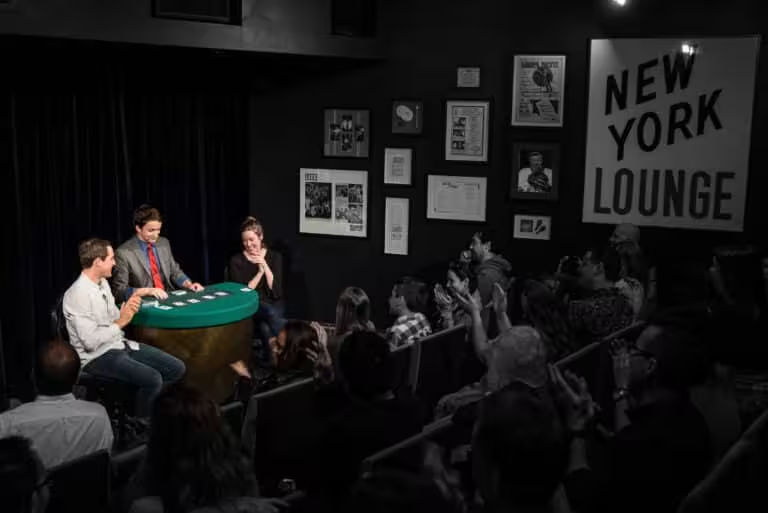
    Famous magicians who won America’s Got Talent are award-winning magicians including Shin Lim, Tape Face, Mat Franco, and Colin Cloud. Legendary magicians who shaped the industry are legendary performers including Harry Houdini, Siegfried & Roy, Doug Henning, and Channing Pollock. The greatest magicians perform live in Las Vegas residencies, The Magic Castle in Hollywood, Broadway theaters, and touring shows worldwide.
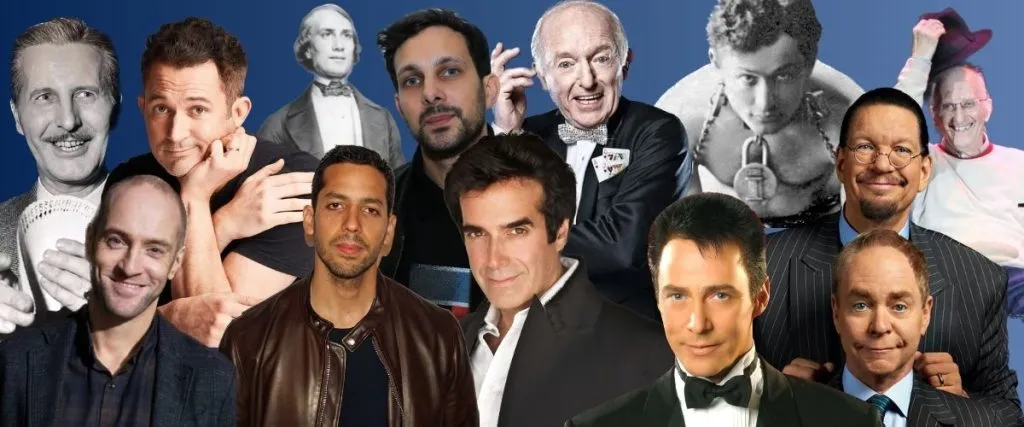
    From Las Vegas residencies to intimate close-up performances, these professional magicians redefine what audiences expect from magic shows. This guide explores the famous magicians who continue to push boundaries in stage illusions, sleight-of-hand, mentalism, and escape artistry.

    What makes the best magicians stand out?

    The best magicians distinguish themselves through 3 attributes: technical precision in execution, theatrical presentation, and consistent innovation. Top magicians master close-up magic techniques including card manipulation, coin tricks, mentalism, and sleight-of-hand before developing signature styles. Professional magicians practice 4 hours daily to refine their performances.

    Greatest magicians also understand audience psychology and timing. These performers create emotional connections through storytelling than executing tricks. The world’s best magicians perform in prestigious venues including MGM Grand, The Mirage, Excalibur, and Luxor where they hone skills over thousands of shows.

    Who are the greatest stage illusionists in Las Vegas?

    The greatest stage illusionists in Las Vegas are David Copperfield and Penn & Teller, who dominate the Vegas magic scene with long-running residencies that attract millions of visitors annually. Las Vegas hosts the world’s most spectacular stage illusions including levitation, vanishing acts, sawing assistants in half, and teleportation.

    Who Are The Greatest Stage Illusionists In Las Vegas?

    David Copperfield’s legendary career

    David Copperfield has performed 500 shows in Las Vegas at MGM Grand. David Copperfield’s signature tricks including Copperfield’s flying illusion, Blaine’s levitation, Houdini’s water torture cell, and Shin Lim’s card flourishes revolutionized theatrical magic. Copperfield became the highest-earning magician through blending large-scale illusions with intimate audience interaction.

    Copperfield’s performances combine classic stage illusions with modern storytelling. Copperfield makes the Statue of Liberty disappear, walks through the Wall of China, and flies over audiences. These grand-scale productions established Las Vegas as the global center for professional magicians.

    Siegfried & Roy’s impact on Vegas magic

    Siegfried & Roy performed at The Mirage for 13 years before retirement. The duo transformed Vegas entertainment by incorporating white tigers and lions into elaborate illusions. Siegfried & Roy’s performances combined European theatrical traditions with American showmanship.

    Siegfried & Roy’s influence extends beyond their own shows. The duo inspired the current generation of Las Vegas performers to think bigger about production values and animal integration. Many top magicians cite Siegfried & Roy as pioneering the modern Vegas residency model.

    Who are the top close-up magicians in the world?

    Top close-up magicians are famous magicians including David Copperfield, Penn & Teller, Shin Lim, and Dynamo, who each developed distinct approaches to this demanding art form. These performers specialize in intimate performances where audiences sit within feet of the action. Close-up magic requires flawless technique because spectators observe e movement.

    Shin Lim’s sleight-of-hand mastery

    Shin Lim won America’s Got Talent with a silent card manipulation act. Shin Lim’s performances blend dance choreography with sleight-of-hand to create visual poetry. Shin Lim’s card manipulation technique uses smooth transitions that make cards appear to move by themselves.

    Shin Lim performs at The Mirage in Las Vegas after gaining fame through television platforms including America’s Got Talent, Britain’s Got Talent, The Tonight Show, and Netflix specials. Shin Lim’s approach appeals to younger audiences who appreciate contemporary music choices and artistic presentation style.

    Penn & Teller’s innovative approach

    Aspect Comparison
    Penn & Teller have been performing together for 50 years at Rio All-Suite simultaneously fooling audiences with variations
    Aspect Comparison
    Penn provides verbal commentary Teller performs silently

    Which famous magicians won America’s Got Talent?

    Famous magicians who won America’s Got Talent are award-winning magicians including Shin Lim, Tape Face, Mat Franco, and Colin Cloud. Mat Franco became the first magician to win the competition in 2014. Mat Franco’s victory led to a Las Vegas residency at The LINQ Hotel.

    Shin Lim won twice: first the regular competition, then the Champions edition. Shin Lim’s television success demonstrates how modern innovations including digital illusions, augmented reality tricks, social media magic, and interactive performances resonate with contemporary audiences. These platforms give professional magicians exposure to millions of viewers simultaneously.

    Who are the best street magicians and TV performers?

    Street magicians bring magic specializations including mentalism, escape artistry, card magic, illusions, and street magic directly to unprepared audiences. The best street magicians capture authentic reactions that studio performances can’t replicate. Related: Best magic shows to see in Las Vegas now

    Who Are The Best Street Magicians And Tv Performers?

    David Blaine’s endurance stunts

    David Blaine held his breath underwater for 17 minutes during a televised special. David Blaine’s career shifted magic toward endurance feats and personal danger than traditional illusions. Blaine performs close-up magic for celebrities in intimate settings captured on camera.

    David Blaine’s television specials blend card tricks with extreme stunts. David Blaine gets encased in ice, stands on tall pillars for days, and catches bullets in his mouth. This fusion of mentalism and endurance created a new category within professional magic.

    Dynamo’s street magic revolution

    Dynamo’s first TV series reached 30 million viewers in the UK. Dynamo’s approach involves performing illusions in public locations without stages or formal venues. Dynamo walks on water across the Thames River, levitates beside buses, and walks down building exteriors.

    Dynamo’s performances emphasize accessibility. Dynamo brings the greatest magicians’ techniques to everyday settings where people encounter them unexpectedly. This democratization of magic expanded the art form’s reach beyond traditional theater audiences.

    Criss Angel’s theatrical illusions

    Criss Angel’s Mindfreak series ran for only 6 seasons on A&E. Criss Angel’s gothic aesthetic and rock-music sensibility attracted younger demographics to magic. Criss Angel performs large-scale illusions in unusual locations including construction sites and parking lots.

    Criss Angel’s Las Vegas residency at Luxor Hotel continues to draw crowds interested in his edgy presentation style. Criss Angel combines escape artistry with modern visual effects to create performances that blur reality and illusion.

    What distinguishes professional magicians from amateur performers?

    Professional magicians differ from amateurs through 5 factors: performance consistency, original material development, business acumen for booking and promotion, technical mastery, and audience management skill. The world’s best magicians treat magic as a full-time profession requiring daily practice and continuous refinement.

    What Distinguishes Professional Magicians From Amateur Performers?

    Amateur performers often rely on purchased tricks without developing unique presentation styles. Professional magicians create signature acts that other magicians recognize instantly. Professional magicians also join magic organizations including The Magic Circle, Academy of Magical Arts, International Brotherhood of Magicians, and Society of American Magicians to network and refine craft.

    Who are the legendary magicians who shaped the industry?

    Legendary magicians who shaped the industry are legendary performers including Harry Houdini, Siegfried & Roy, Doug Henning, and Channing Pollock. These magic pioneers introduced techniques and presentation styles that continue influencing contemporary performers.

    Harry Houdini’s escape artistry

    Harry Houdini performed his Chinese Water Torture Cell escape over 100 times during his career. Harry Houdini’s escape artistry combined physical skill with showmanship that kept audiences in suspense. Houdini challenged local police departments to restrain him, then escaped publicly to generate media coverage.

    Harry Houdini’s legacy extends beyond specific tricks. Harry Houdini established magic as legitimate entertainment worthy of major theater bookings. Houdini also campaigned against fraudulent spiritualists, using knowledge of illusions to expose fake mediums.

    Derren Brown’s psychological illusions

    Derren Brown revolutionized mentalism by emphasizing psychological manipulation over traditional magic techniques. Derren Brown’s performances explore hypnosis, suggestion, and misdirection than sleight-of-hand. Derren Brown’s theatrical shows on Broadway and in London’s West End examine human behavior and decision-making.

    Derren Brown’s television specials demonstrate apparent mind-reading and prediction abilities. The magician and mentalist explicitly disclaims supernatural powers, attributing effects to psychology and showmanship. This honesty distinguishes Derren Brown’s approach from earlier mentalists who cultivated mystical personas.

    How do the world’s best magicians develop their signature styles?

    To develop signature styles, the world’s best magicians follow 4 stages: mastering foundational techniques in multiple disciplines, studying legendary performers’ approaches, experimenting with personal interests to find unique angles, and refining presentations over thousands of performances. Top magicians invest years before achieving recognition.

    Shin Lim combined piano training with card magic to create distinctive performance style. David Blaine drew inspiration from street performers and endurance artists. Penn & Teller merged comedy writing skills with traditional magic.

    Each discovered that signature styles emerge from personal passions beyond magic itself. Related: Close-up magic vs stage illusions: Which style fits your event

    What are the specializations among top magicians?

    Famous magicians specialize in performance styles including theatrical illusions, intimate parlor magic, street performances, and corporate entertainment. Stage illusions require large venues, elaborate props, and assistant teams. Close-up magic demands flawless sleight-of-hand visible from inches away.

    What Are The Specializations Among Top Magicians?

    Mentalism focuses on psychological effects including apparent mind-reading and prediction. Escape artistry emphasizes physical danger and audience suspense. Card manipulation showcases dexterity and visual flourishes. The greatest magicians often master multiple specializations before selecting primary focus.

    Some professional magicians perform exclusively for corporate events and private parties. Others pursue theater residencies or television careers. The Magic Castle in Hollywood has three performance rooms showcasing these diverse specializations nightly.

    Where can you see the greatest magicians perform live?

    The greatest magicians perform live in Las Vegas residencies, The Magic Castle in Hollywood, Broadway theaters, and touring shows worldwide. Las Vegas offers the highest concentration of top magicians with multiple shows running simultaneously at various hotels. MGM Grand, The Mirage, Luxor, and Rio host long-term residencies.
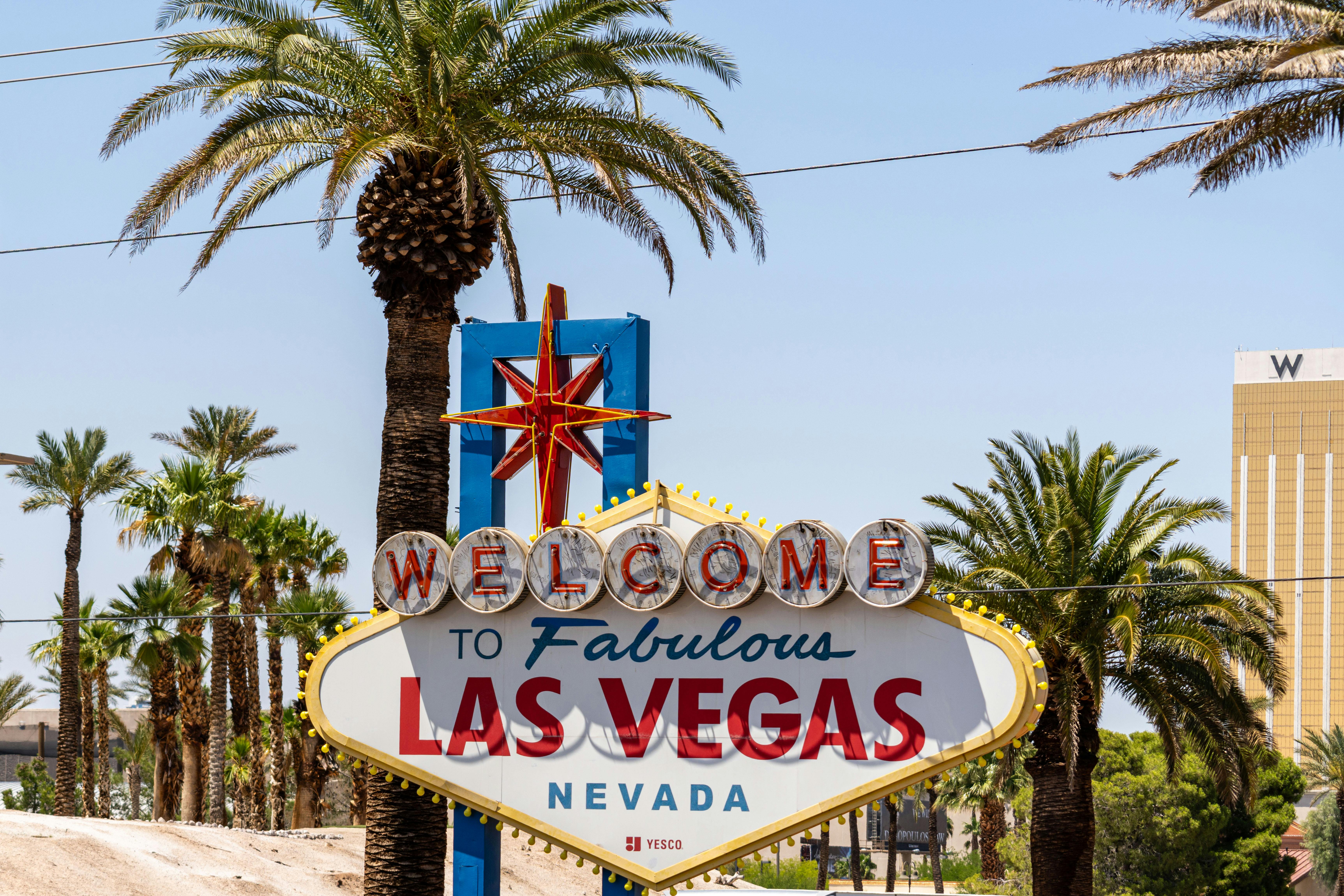
    The Magic Castle requires membership or guest invitations but provides intimate access to professional magicians in multiple performance rooms. Broadway occasionally features magic shows that blend theatrical storytelling with illusions. Touring productions bring famous magicians to regional theaters worldwide.

    Television platforms including America’s Got Talent, Britain’s Got Talent, The Tonight Show, and Netflix specials allow audiences to experience the world’s best magicians from home. These broadcasts reach millions who can’t attend live performances, expanding magic’s cultural influence.
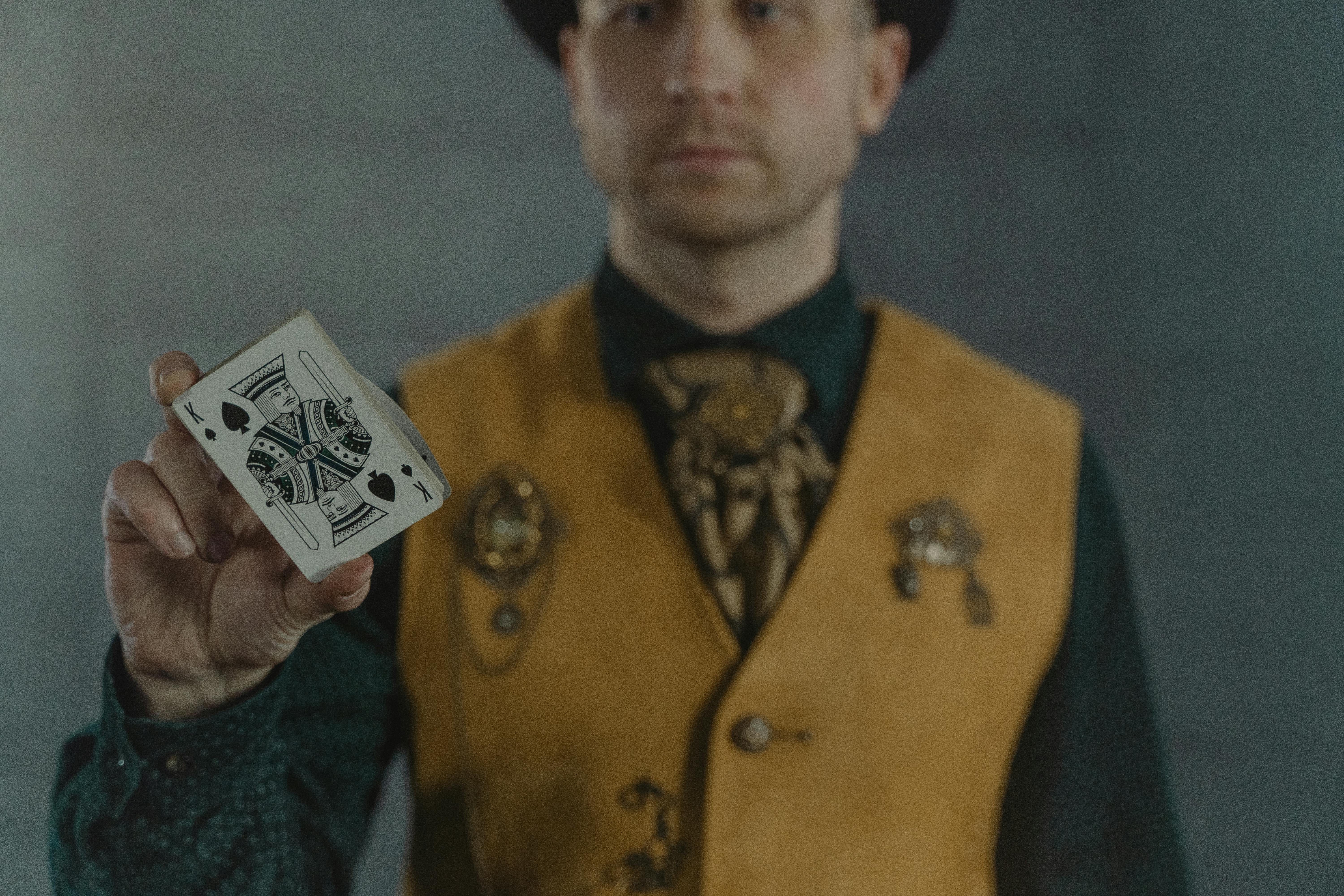

    Supplementary magic

    – How David Copperfield became the highest-earning magician in history

    – Behind the scenes of America’s Got Talent magic auditions

    – What makes Shin Lim’s card manipulation technique unique

    – The evolution of Las Vegas magic shows from the 1960s to today

    – How modern magicians use social media to build their careers

  • Mac King comedy magic show: How long is Mac King magic show | What to expect at Mac King show appearance | Where is Mac King comedy magic show performed?

    Mac King comedy magic show: How long is Mac King magic show | What to expect at Mac King show appearance | Where is Mac King comedy magic show performed?

    Mac King comedy magic show

    Everything you need to know about Mac King’s Comedy Magic Show at the Excalibur Hotel in Las Vegas. You’ll learn about the 90-minute afternoon performance schedule running Tuesday through Saturday at 1 PM and 3 PM, with ticket prices ranging from $30-$50. Mac King’s family-friendly comedy magic compares to other Vegas shows like Penn & Teller and David Copperfield, plus get insider tips on seating arrangements, show discounts, and planning your visit.

    What is Mac King comedy magic show?

    Mac King Comedy Magic Show is a family-friendly afternoon magic performance that combines classic sleight-of-hand illusions, witty humor and audience interaction. The Mac King comedy magic show runs Tuesday through Saturday at the Excalibur Hotel on the Las Vegas Strip. King wears his signature plaid shirt and performs tricks ranging from card manipulations to larger stage illusions. The performance appeals to all ages with clean comedy that avoids profanity or adult content. Visitors searching for King comedy magic show tickets find one of the best value entertainment options in Las Vegas. The intimate theater setting allows King to connect with audiences personally throughout the 90-minute performance.

    How long is Mac King’s show?

    The show runs 90 minutes without an intermission, making Mac King’s show one of the longer afternoon performances on the Strip. Mac King’s performance packs rapid-fire comedy and magic into every segment. King moves between different illusions and audience participation segments without pause. The pacing keeps attention focused throughout while allowing time for each trick to land properly. Most attendees report the 90 minutes feel shorter because the entertainment value remains high from start to finish.

    Where is Mac King show performed?

    The show features performances at a theater within the Excalibur Hotel and Casino on the Las Vegas Strip. This permanent venue allows King to use specialized equipment and staging that enhances his tricks. The theater design prioritizes sightlines so audiences can see clearly from all seats. Guests purchase show tickets at the Excalibur box office, online ticketing platforms, or through hotel concierge services. The venue location inside the casino provides convenient access to dining and other amenities before or after the performance.

    Excalibur Hotel location

    Mac King performs at the Excalibur hotel and casino at the corner of Tropicana Avenue and Las Vegas Boulevard. The Excalibur Hotel features a medieval castle theme with towers visible from the Strip. Guests find the theater on the second floor near the food court and casino floor. The hotel offers self-parking and valet options for show attendees. Multiple restaurants within walking distance provide meal options that coordinate with afternoon showtimes.

    Former Harrah’s venue longest running

    Mac King previously performed at Harrah’s Las Vegas for over 13 years before moving to Excalibur in 2010. His longest running show in Vegas built a dedicated following through word-of-mouth recommendations. The venue change to Excalibur provided a larger theater space while maintaining the intimate feel that encourages audience participation. Harrah’s hosted King during the early years when he refined his act to perfection. The move proved beneficial as Excalibur’s location attracts more foot traffic from Strip visitors.

    When does Mac King perform?

    To perform, King maintains a Tuesday through Saturday schedule with two afternoon showtimes daily. The regular performance calendar excludes Sundays and Mondays. Showtimes remain consistent year-round barring occasional holidays or venue maintenance. One signature trick involves producing a live goldfish during the show’s climax. The goldfish illusion showcases King’s technical skill with live animals on stage.

    Show times and schedule live goldfish

    The live performances occur at 1 PM and 3 PM on all scheduled days. These live goldfish tricks and other illusions follow the same sequence in both daily shows. Matinee timing suits families traveling with children and visitors who prefer afternoon entertainment. The schedule allows guests to plan morning activities and evening dining around the performance. Ticket availability varies by season, with peak tourist periods selling out days in advance.

    Days of the week stage

    Shows disappear from the weekly calendar on Sundays and Mondays when the theater remains dark. King uses these days for personal time and preparation of new stage material. Tuesday marks the first performance of each week when audiences return. The stage setup requires maintenance between shows to ensure props and equipment function properly. Weekend performances on Friday and Saturday typically draw larger crowds than midweek shows.

    What to expect at Mac King show appearance

    The description emphasizes King’s approachable stage presence and self-deprecating humor style. His appearance in a plaid flannel shirt contrasts with elaborate costumes worn by other Las Vegas magicians. The casual wardrobe creates a relaxed atmosphere that puts audiences at ease. King addresses crowd members by name after learning details during pre-show interactions. His comedy derives from observational humor about everyday situations rather than topical references or crude jokes.

    Show highlights and tricks sleight-of-hand

    Each trick demonstrates mastery of traditional magic techniques rather than relying on technological effects. King’s sleight-of-hand abilities shine during close-up card manipulations performed with audience volunteers. The rope tricks and coin vanishes follow classic magic patterns with unexpected twists. Larger illusions incorporate colorful props and dramatic reveals that surprise even skeptical viewers. The variety ensures different tricks appeal to children, adults, and magic enthusiasts with varying knowledge levels.

    Comedy style and humor 1 comedy magician

    Mac King ranks as the number 1 comedy magician in Las Vegas because he combines magic with pure standup humor. His act mixes self-deprecating jokes with silly props and absurd situations. The humor never feels forced despite him performing the same show six days weekly.

    Audience participation

    Audience interaction forms the backbone of Mac King’s performance, with volunteers pulled from seats to help with nearly every major trick. The audience becomes part of the show rather than passive observers. King picks enthusiastic participants but never embarrasses anyone during their time on stage.

    About Mac King

    Mac King appears on the list of Las Vegas’s most beloved performers alongside headliners who command premium ticket prices. His signature look resembles Colonel Sanders with a plaid suit, bolo tie, and folksy demeanor. King built his reputation through consistency rather than flashy marketing that other magicians rely on heavily.

    Career and background vacation

    Mac King started performing magic during childhood in Kentucky before moving to Las Vegas to pursue entertainment professionally. His vacation destination became his permanent home when management offered him a regular slot. The unforgettable decision to focus on afternoon shows proved brilliant because families needed daytime entertainment options. King refined his act through thousands of performances.

    Awards and recognition event

    Mac King earned Magician of the Year honors from the Academy of Magical Arts, cementing his status as a respected event headliner. This activity of collecting accolades continued with multiple awards from industry organizations. Critics who review hundreds of Vegas shows annually consistently rank King among the top acts worth seeing.

    What makes him unique book

    King stands out as unique among Vegas magicians because he focuses on humor first and magic second. His book of tricks includes classic illusions performed with comedic twists. Unlike magicians who maintain mysterious personas, King presents himself as an approachable everyman who happens to possess extraordinary skills.

    Mac King show reviews

    Review aggregation sites consistently give the Mac King show top ratings that place it among must-see Vegas attractions. The overview from professional critics highlights exceptional value compared to expensive evening shows. Audience members write reviews praising the show’s accessibility for all ages and its refreshing departure from typical Vegas spectacle.

    Critic reviews 90 minutes

    Professional entertainment critics describe the experience as the best comedy magic show in Las Vegas without qualification. The 90 minutes fly by because King packs the show with constant action and jokes. Critics appreciate that King respects the audience’s intelligence while delivering tricks that genuinely mystify even experienced magic fans.

    Audience feedback funny

    Audience members universally describe the show as funny from start to finish, with laughter filling the theater constantly. Every stunt receives enthusiastic applause mixed with confused amazement. Online reviews mention specific tricks that left audiences baffled and delighted simultaneously. First-time visitors and repeat attendees both write positive feedback confirming consistent quality.

    Best and worst seats mgm

    The Mac King show at the MGM Grand features intimate theater seating where every seat provides clear stage views. Center seats in the first ten rows offer the best vantage points for seeing sleight-of-hand details. Back row seats still work well because King projects his voice clearly and uses large props visible from any distance.

    Mac King tickets and pricing

    Mac King tickets and pricing start at affordable rates that make this one of the best customer values for afternoon entertainment in Las Vegas. Tickets typically range from budget-friendly options to premium seating choices. The show runs during afternoon time slots when other venues charge premium evening prices. Customer reviews consistently praise the value proposition compared to evening magic shows on the Strip. Most visitors find the pricing accessible for families and groups who want quality entertainment without breaking their vacation budget.

    Ticket prices

    Ticket prices for Mac King shows average between $30 and $50 depending on seating location and purchase method. General admission seats cost less than premium front-row options. Weekday performances sometimes offer lower rates compared to weekend shows. The price point positions Mac King as one of the most affordable headliner acts in Las Vegas. Children and adults pay the same ticket rate with no separate pricing structure. Online purchases sometimes include service fees that add to the base price. Walk-up sales at the box office avoid online processing charges but risk sold-out performances during peak tourist seasons.

    Where to buy tickets

    To buy tickets, visit the official Excalibur website, call the box office directly, or use authorized ticketing platforms like Ticketmaster. The Excalibur box office sells tickets in person during business hours. Third-party resellers occasionally offer discounted rates but verify legitimacy before purchasing. Some visitors buy tickets as part of vacation packages through travel agencies. Shadow puppets appear in the show as one of the unique visual elements that justify the ticket investment. Direct purchase from the venue guarantees authentic tickets and avoids counterfeit risks. Mobile ticket delivery provides convenient access without physical printouts. Same-day purchases work during slower periods but advance booking prevents disappointment.

    Discount options hilarious

    Discount options include local resident rates, military discounts, and promotional codes from partner websites. Las Vegas locals present valid ID for reduced pricing at the box office. The hilarious content appeals to both tourists and residents who return multiple times. Military personnel and veterans receive special pricing year-round. Email newsletters from Excalibur occasionally feature limited-time promo codes. Family-friendly pricing makes group discounts attractive for parties of six or more. Package deals bundled with dining or hotel stays reduce per-person costs. Student discounts apply with valid identification at certain times. Senior citizens sometimes qualify for reduced rates during off-peak periods.

    Package deals

    Package deals combine show tickets with meals, hotel stays, or other Excalibur attractions for better overall value. Dinner-and-show combinations pair tickets with restaurant reservations at reduced bundle prices. Theater packages include multiple shows across different MGM properties. Some deals bundle Mac King tickets with access to other entertainment venues in the casino. Hotel guests receive priority booking and occasional room-rate packages that include show admission. The theater setting enhances the package appeal with its intimate atmosphere. Multi-day Vegas visitors benefit from packages that spread entertainment across their trip. Travel websites aggregate deals from various sources to compare pricing. Corporate groups negotiate custom packages for team-building events or conventions.

    Planning your visit animal

    Planning your visit involves considering showtimes, dress codes, arrival logistics, and accessibility features to maximize your experience. The popular afternoon schedule fits well between morning activities and evening plans. Mac King uses animal props and visual effects that children enjoy seeing up close. Popular demand means advance booking protects against sold-out performances. Consider the 70-minute runtime when scheduling surrounding activities. Parking at Excalibur provides direct access to the theater area. The casino environment surrounding the venue offers pre-show and post-show entertainment options.

    Age requirements to amaze your group

    Age requirements allow children of all ages to attend with appropriate parental discretion. No minimum age restriction applies because the content remains family-appropriate throughout. Young children amaze easily at the magic tricks and visual illusions. Parents judge whether their specific child handles sitting through 70 minutes of performance. Lap seating for infants under two sometimes receives approval but check venue policies first. The humor and tricks amaze kids aged five and older most consistently. Teenagers enjoy the clever comedy alongside the magic elements. School groups bring students of various ages for educational entertainment. Very young toddlers might disrupt other patrons if unable to remain quiet during the show.

    What to wear dress code available

    What to wear is casual daytime attire suitable for a Las Vegas casino environment. Information about dress codes indicates no formal requirements exist for this afternoon show. Comfortable clothing works well since the theater temperature stays moderate. Available seating options all accommodate standard casual wear. Tourists wear shorts, jeans, sundresses, and casual shirts without issue. Avoid overly revealing clothing that might distract from the performance or violate general casino policies. Comfortable shoes matter because walking through the casino floor takes time before reaching the theater. Layers help adjust to varying temperatures between outdoor heat and air-conditioned interior spaces.

    Arrival time video

    Arrival time recommendations suggest reaching the theater 20 to 30 minutes before the 70-minute show begins. Early arrival secures better general admission seating choices in unreserved sections. The video screens and pre-show announcements start shortly before curtain time. Time buffers account for parking, casino navigation, and restroom visits before the performance. Latecomers might wait for appropriate breaks before ushers seat them to avoid disrupting others. The casino floor between the entrance and theater requires 10 minutes to navigate during busy periods. Box office transactions for will-call pickups add extra time. First-time visitors need additional minutes to locate the showroom within the large resort property.

    Accessibility charm

    Accessibility features include wheelchair-accessible seating, assisted listening devices, and accommodations for guests with special needs. The theater charm derives partly from its intimate setting that keeps all patrons close to the action. Wheelchair spaces integrate throughout the seating areas rather than isolating guests. Companion seating places caregivers next to patrons requiring assistance. Elevators and ramps provide barrier-free access throughout the Excalibur property. Service animals receive admission when properly identified and documented. The craft of magic relies on visual and auditory elements that work for most accessibility needs. Staff assist guests with mobility challenges when navigating the theater layout. Advance notice helps the venue prepare appropriate accommodations for specific requirements.

    Comparing Mac King to other Vegas magic shows

    Mac King stands out among Las Vegas entertainment options in that King’s afternoon show delivers professional magic at a lower cost than evening headliners. The contrast between budget-friendly afternoon magic and premium evening productions gives visitors multiple ways to enjoy illusions during their trip.

    Mac King vs Penn & Teller enjoy

    Penn & Teller perform at the Rio, presenting a darker, more intellectual approach to magic that focuses on revealing secrets and debunking tricks. Their evening show costs significantly more than Mac King’s afternoon performance, typically starting around $80 per ticket. Penn & Teller enjoy a reputation for combining comedy with exposure, often showing how tricks work while still fooling audiences. Mac King takes the opposite approach, keeping his methods hidden while delivering lighthearted comedy that families can enjoy together. The detail in both shows differs substantially, with Penn & Teller offering elaborate stage productions and Mac King working in a more intimate theater setting.

    Mac King guinea pig vs David Copperfield duck

    David Copperfield commands the highest ticket prices among Vegas magicians, with seats often exceeding $100 for his MGM Grand shows. Copperfield’s production features massive illusions, dramatic lighting, and a serious tone that emphasizes spectacle over humor. Mac King’s service to audiences focuses on accessibility and laughter rather than grand theatrical effects. Copperfield might make the Statue of Liberty disappear, while Mac King pulls a live guinea pig from unexpected places. The white guinea pig routine represents Mac King’s signature style: simple props transformed into memorable moments through perfect timing and audience connection.

    Best value magic shows

    A magician working in Vegas faces intense competition, pushing performers to differentiate their acts or lower prices. Mac King offers the best value among Vegas magic shows because his ticket prices remain under $50 while delivering a full hour of professional entertainment. The white guinea pig trick alone generates more laughs than many full-price comedy shows on the Strip. Budget-conscious visitors can watch Mac King in the afternoon, then catch an evening show or explore casinos without breaking their entertainment budget.

    Frequently asked questions laugh

    Mac King insider knowledge helps guests plan their visit and maximize their enjoyment of this affordable Vegas laugh factory.

    Is Mac King appropriate for children? and guest

    Mac King welcomes guest families with content suitable for all ages, from young children to grandparents. The show avoids crude humor, keeping jokes clean while remaining funny for adults who appreciate clever wordplay and physical comedy.

    Can I take photos during the show? and reaction

    Photography policies vary, but most Vegas magic shows prohibit cameras to protect secrets and avoid distracting performers. Check with theater staff about photo rules, as capturing audience reaction shots before or after the performance usually gets approval.

    How early should I arrive? and act

    To secure good seats and settle in before the act begins, arrive 20-30 minutes early. The Thunder From Down Under Theater fills quickly, especially during peak tourist seasons when Mac King’s affordable show attracts budget-minded visitors.

    Are there VIP options? and tip

    VIP seating at Mac King’s show provides closer views of tricks and increases your chances of participating in audience routines. Upgrade options add $10-20 to ticket prices, a worthwhile tip for guests who want the full interactive experience and prime viewing angles.

  • What is the greatest magic trick ever performed | Greatest magic trick ever performed by David Copperfield and Houdini | Best magic trick in history from the Statue of Liberty vanish | Famous magic trick performances by Penn & Teller explained | Iconic illusion moments featuring the Chinese Water Torture Cell | Legendary magic performance by Harry Houdini revealed | Greatest magic trick debate between bullet catch and metamorphosis | Best magic trick controversy surrounding David Blaine’s stunts | Famous magic trick evolution from Houdini to modern illusionists | Iconic illusion rankings including the sawing woman in half | Legendary magic performance analysis of Copperfield’s flying illusion

    What is the greatest magic trick ever performed | Greatest magic trick ever performed by David Copperfield and Houdini | Best magic trick in history from the Statue of Liberty vanish | Famous magic trick performances by Penn & Teller explained | Iconic illusion moments featuring the Chinese Water Torture Cell | Legendary magic performance by Harry Houdini revealed | Greatest magic trick debate between bullet catch and metamorphosis | Best magic trick controversy surrounding David Blaine’s stunts | Famous magic trick evolution from Houdini to modern illusionists | Iconic illusion rankings including the sawing woman in half | Legendary magic performance analysis of Copperfield’s flying illusion

    Greatest magic trick ever performed

    The greatest magic trick combines 3 core elements: technical difficulty, visual impact, and cultural resonance. Harry Houdini’s Chinese Water Torture Cell became legendary because it combined 4 psychological triggers: claustrophobia, drowning fear, visible restraints, and real-time performance. David Copperfield’s Statue of Liberty disappearance is considered the best because the iconic illusion achieved unprecedented scale and cultural symbolism.

    The metamorphosis illusion is a rapid escape and transposition trick where 2 performers switch places inside a locked trunk within seconds. The bullet catch trick is the deadliest illusion in magic history, claiming the lives of at least 12 magicians throughout documented performances. Television transformed famous magic trick performances by expanding audience reach from hundreds to millions and allowing camera angles impossible in live theater.

    Determining the greatest magic trick requires analyzing legendary illusions by Harry Houdini, David Copperfield, and Penn & Teller. These iconic illusion performances transformed stage magic through danger, scale, and showmanship across venues from The Ed Sullivan Show to Radio City Music Hall.

    What makes a magic trick the greatest of all time?

    What Makes A Magic Trick The Greatest Of All Time?
    Aspect Comparison
    The greatest magic trick combines 3 core elements: **technical difficulty, visual impact, and cultur captivating mass audiences

    Illusion categories including escapes, vanishes, levitations, and transformations each offer unique greatness potential. Escape artistry requires strength and endurance that Houdini demonstrated through dangerous magic tricks including the bullet catch, Chinese Water Torture Cell, and buried alive escapes. Vanishing tricks demand engineering precision that David Copperfield proved by making the Statue of Liberty disappear in front of 50 live audience members in 1983.

    Related: How Harry Houdini revolutionized escape artistry

    How did Harry Houdini’s Chinese Water Torture Cell become legendary?

    Harry Houdini’s Chinese Water Torture Cell became legendary because it combined 4 psychological triggers: claustrophobia, drowning fear, visible restraints, and real-time performance. Houdini performed the escape over 100 times before his death in 1926, establishing the famous magic trick as his signature. The illusion involved suspension upside-down in a locked water tank, with Houdini’s ankles secured in wooden stocks.

    Aspect Comparison
    Unlike modern illusionists such as David Blaine, Criss Angel, and Dynamo who rely on camera tricks, the Water Torture Cell extended tension for several minutes

    Why is David Copperfield’s Statue of Liberty disappearance considered the best?

    David Copperfield’s Statue of Liberty disappearance is considered the best because the illusion achieved unprecedented scale and cultural symbolism. The performance occurred outdoors on Liberty Island in 1983 with the 225-ton statue surrounded by a live audience and millions watching on television. Copperfield positioned spotlights and a raised platform with curtains around the monument, then made it vanish within seconds.

    Why Is David Copperfield's Statue Of Liberty Disappearance Considered The Best?

    The illusion ranks as the best magic trick for 3 reasons: impossible scale, national symbol impact, and unmatched audience reach. David Copperfield’s television specials reached over 70 million viewers in the 1980s, with the Statue of Liberty trick becoming his most replayed segment. Previous stage illusions required controlled theater environments at famous venues like Madison Square Garden, Radio City Music Hall, and Las Vegas Strip theaters, but Copperfield brought magic to a public monument.

    Related: Behind the scenes of David Copperfield’s most famous illusions

    What is the metamorphosis illusion and who perfected it?

    The metamorphosis illusion is a rapid escape and transposition trick where 2 performers switch places in a locked trunk, originated by Harry Houdini. Houdini originated the performance with his wife Bess in the early 1900s, establishing it as a staple of escape artistry. One performer locks inside a bag, placed in a trunk, then covered with a curtain while the second performer stands on top. After a countdown, the curtain drops to reveal the positions reversed impossibly fast.

    What Is The Metamorphosis Illusion And Who Perfected It?

    Harry Houdini’s original metamorphosis performance

    Harry Houdini perfected metamorphosis by reducing transition time to under 3 seconds through practice and specialized equipment. His version used iconic props such as locked milk cans, straitjackets, handcuffs, and water tanks to add restraint layers. Houdini performed metamorphosis in magic performances at The Ed Sullivan Show, America’s Got Talent, and Saturday Night Live equivalents of his era, demonstrating speed that audiences couldn’t explain.

    Penn & Teller’s modern metamorphosis variation

    Penn & Teller refine metamorphosis into a comedic and transparent variation after performing together for over 45 years. Their version deliberately reveals some mechanisms while keeping the core transposition method secret, creating a famous magic trick that entertains through honesty than pure mystery. The duo performs on the Las Vegas Strip at the Rio Hotel, where they execute metamorphosis as part of a 2-hour show mixing illusions with skepticism.

    How dangerous is the bullet catch trick?

    The bullet catch trick is the deadliest illusion in magic history, claiming the lives of at least 12 magicians throughout documented performances. The trick involves a marked bullet loaded into a gun, fired at the magician, then caught in the performer’s teeth or hand. Escape artists including Harry Houdini, David Blaine, and Criss Angel have either performed or studied the bullet catch, with most choosing to avoid it due to mortality risk.

    How Dangerous Is The Bullet Catch Trick?

    Penn & Teller perform a bullet catch variation where they fire simultaneously at each other and catch bullets in their mouths. Their version uses modern safety protocols but maintains theatrical tension through staging and pacing. The bullet catch ranks among dangerous tricks including the bullet catch, Chinese Water Torture Cell, and buried alive escapes because one mistake causes immediate death.

    Related: The deadliest magic tricks ever attempted

    Which modern illusionists have attempted the greatest tricks?

    Modern illusionists such as David Blaine, Criss Angel, and Dynamo have attempted greatest magic trick contenders by combining classic illusions with endurance challenges and public settings. These performers moved magic from theaters to streets, buildings, and outdoor locations where traditional stage control becomes impossible. Their approaches differ from classic magicians like Harry Houdini, Doug Henning, and Siegfried & Roy who relied on controlled environments and elaborate staging.

    Which Modern Illusionists Have Attempted The Greatest Tricks?

    David Blaine’s endurance-based stunts

    David Blaine established endurance as a new category for legendary magic performance by holding his breath underwater for 17 minutes and 4 seconds during a 2008 television special. His stunts include burial alive for 7 days, encasement in ice for 63 hours, and standing on a 100-foot pillar for 35 hours. These performances blur the line between illusion and genuine physical feat, creating famous magic trick moments that audiences remember for extremity than deception.

    Criss Angel’s street magic and TV magic innovations

    Criss Angel pioneered televised street magic through his Mindfreak series, performing levitation and body suspension in public spaces without apparent stage equipment. His work brought illusion categories including escapes, vanishes, levitations, and transformations to casual observers than theater audiences. Angel’s Las Vegas residency at the Luxor Hotel combined classic stage production with his street performance style, creating shows that attract tourists seeking interactive experiences.

    What role did television play in famous magic performances?

    Television transformed famous magic trick performances by expanding audience reach from hundreds to millions and allowing camera angles impossible in live theater. David Copperfield’s television specials reached over 200 million viewers in the 1980s, making him more recognizable than any stage-bound magician before him. Magic performances at The Ed Sullivan Show, America’s Got Talent, and Saturday Night Live introduced illusions to casual viewers who would never attend live magic shows.

    What Role Did Television Play In Famous Magic Performances?

    The television medium changed how magicians designed illusions, with many creating tricks specifically for camera capture than live audiences. Television specials featuring The Magic of David Copperfield, Breaking the Magician’s Code, and The World’s Greatest Magic became annual events that defined magic’s cultural presence. Copperfield’s flying illusion toured 90 countries as a live show, but the television version reached exponentially more viewers through multiple broadcasts.

    How do audiences rank illusions today?

    Audiences rank illusions based on 5 criteria: historical significance, visual spectacle, perceived danger, cultural impact, and performance frequency. The Statue of Liberty disappearance consistently ranks as the best magic trick in audience polls because it combined all 5 elements in a single 1983 performance. The sawing a woman in half illusion was first performed in 1921 and remains recognizable despite countless repetitions, demonstrating how the greatest magic tricks maintain ranking through historical weight.

    How Do Audiences Rank Iconic Illusions Today?

    Social media and streaming platforms changed ranking dynamics by allowing instant comparison of performances across eras. Classic magicians like Harry Houdini, Doug Henning, and Siegfried & Roy compete for attention with modern illusionists such as David Blaine, Criss Angel, and Dynamo in algorithm-driven recommendation systems. Famous venues like Madison Square Garden, Radio City Music Hall, and Las Vegas Strip theaters remain evaluation benchmarks, as live performance quality still influences how audiences rank greatest magic trick candidates.

    What makes a magic trick timeless versus trendy?

    A magic trick becomes timeless when it transcends performance context and remains compelling regardless of technological advancement or cultural shifts. Harry Houdini’s Chinese Water Torture Cell remains legendary because the core challenge of underwater escape defies time period. The metamorphosis illusion survives across generations because speed and impossibility translate universally. Timeless tricks rely on fundamental human responses to danger, impossibility, and mystery than contemporary references or technology.

    Trendy tricks depend on current technology, celebrity performer association, or cultural moment relevance that fades as context changes. The distinction appears in whether audiences remember the trick itself or only the performer who executed it. Stage illusions such as the Statue of Liberty disappearance, levitation, and sawing a woman in half achieve timeless status because any skilled magician can perform versions that maintain core impact, while trendy illusions lose power when separated from original performers.

    Supplementary magic

    – Most controversial magic trick reveals in television history

    – How modern magicians use technology in classic illusions

    – The psychology of why audiences fall for magic tricks